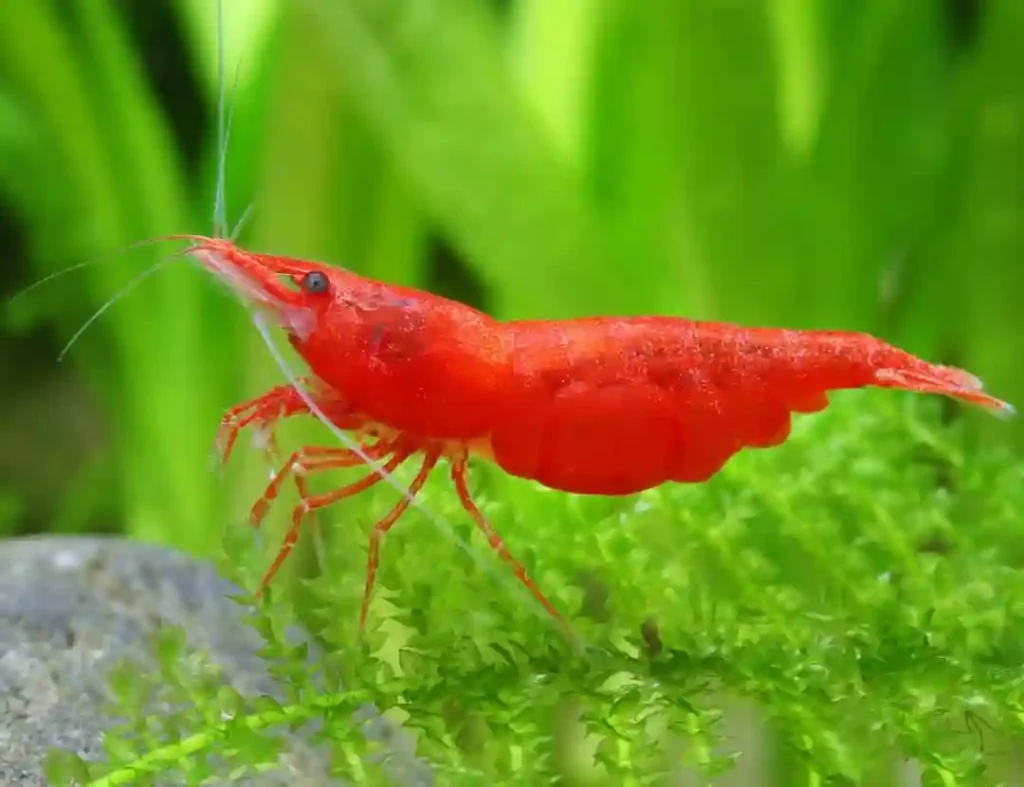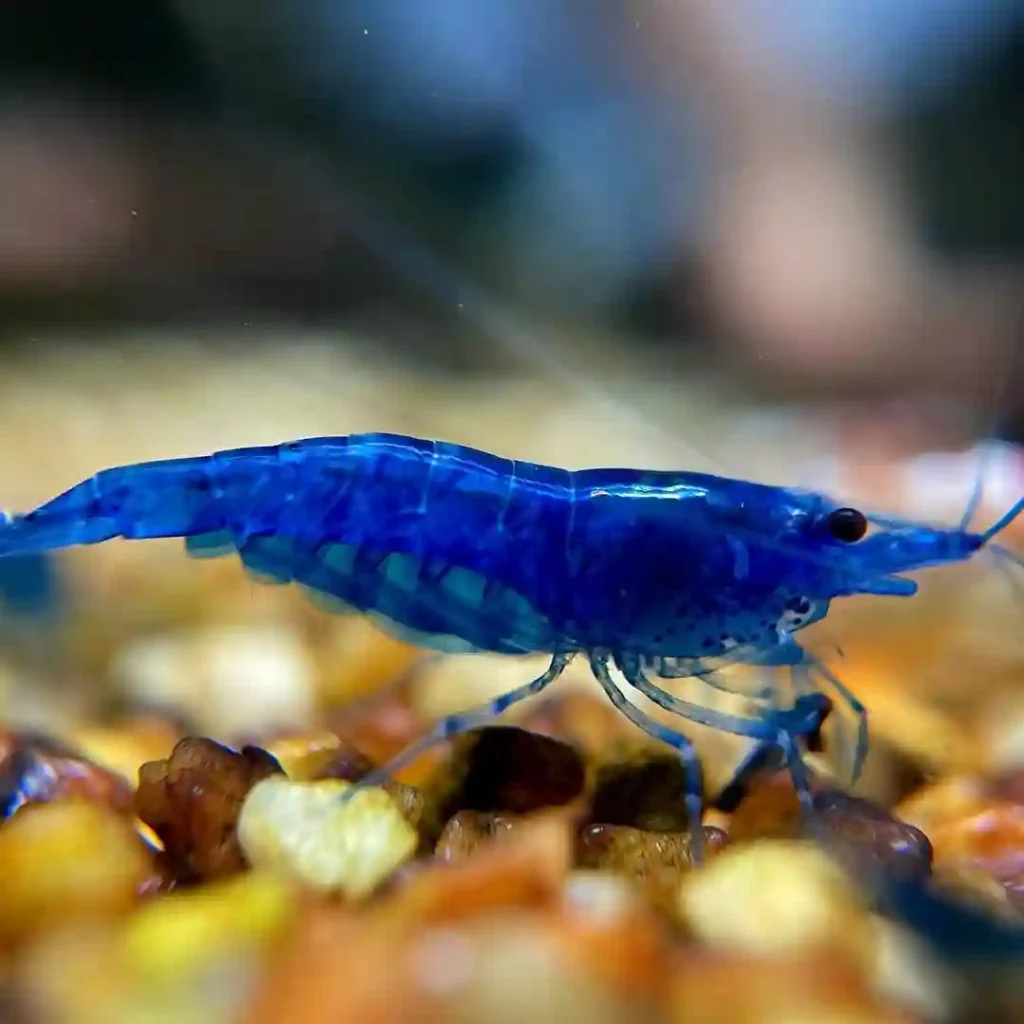
Shrimp may try to climb or jump out of the tank due to poor water quality, low oxygen, or stress from sudden changes. Ghost and cherry shrimp are known to escape if the tank lid is loose, water parameters are unstable, or there’s not enough circulation. Check water conditions and secure all openings to prevent escape.
Is It Normal for Shrimp to Try to Escape?
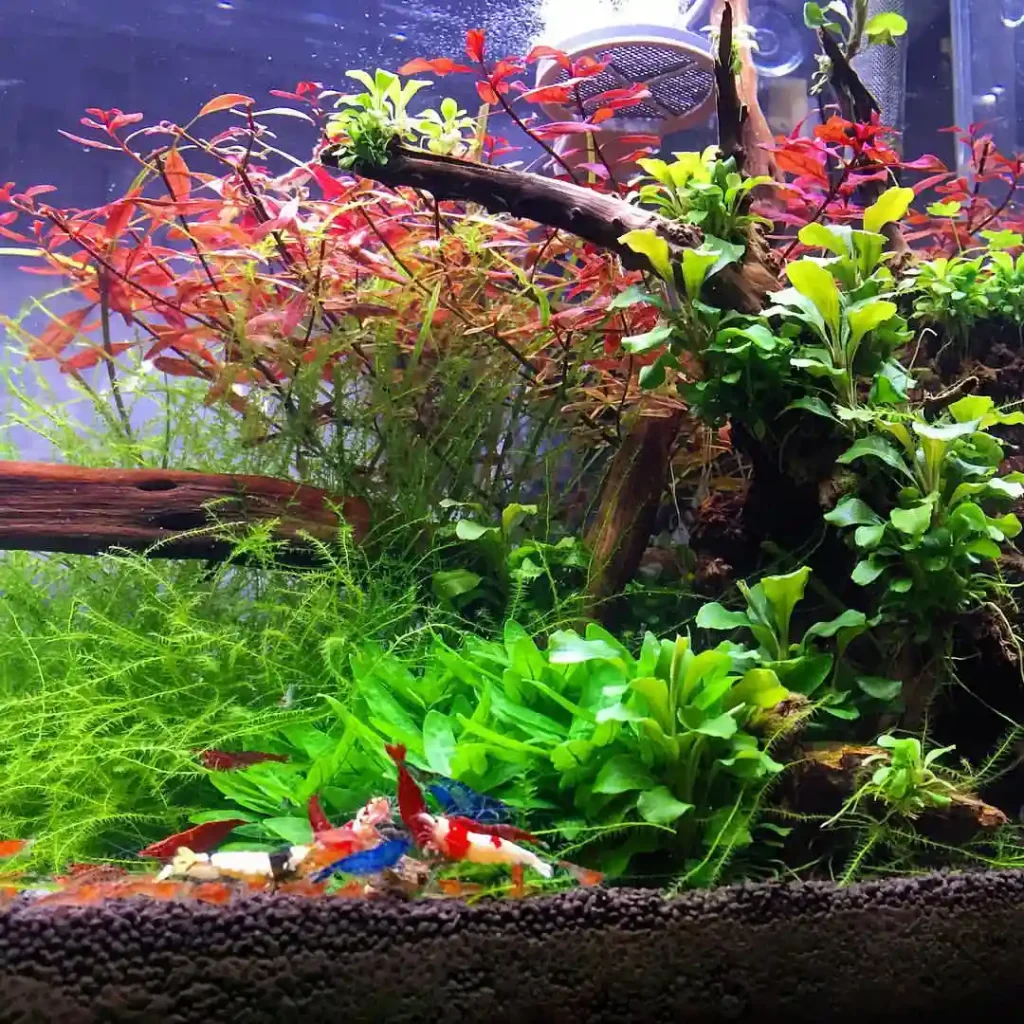
Occasionally seeing a shrimp climbing a tank wall or filter isn’t always a cause for alarm. Shrimp are curious, and some climbing behavior is completely natural especially after a water change or when exploring a new setup. However, repeated or frantic attempts to leave the tank usually signal a problem.
When Curious Climbing Is Normal
Shrimp may climb tank walls, plants, or even air tubing just out of instinct. This is especially true for:
- Newly added shrimp exploring their environment
- Shrimp during cleaning or after a water change
- Active species like ghost shrimp or Amano shrimp
If your shrimp returns to normal behavior shortly after and others seem fine, it’s likely nothing serious.
Difference Between Exploration and Emergency Escape
If you notice shrimp:
- Swimming rapidly to the surface
- Climbing the tank corners or filter intakes repeatedly
- Hanging at the waterline or trying to crawl out
…it’s a red flag. This often means they’re uncomfortable or distressed and are trying to escape unsafe water conditions.
The key difference: Normal exploration is occasional and calm. Escape attempts are persistent, frantic, and often involve multiple shrimp at once.
Which Shrimp Species Are Most Likely to Climb
Some shrimp are simply better escape artists than others. For example:
- Ghost shrimp are strong jumpers and frequently attempt to escape if unhappy
- Cherry shrimp climb less but may still crawl up filter tubes or cords
- Amano shrimp are notorious for escaping tanks with even small gaps
If you keep these species, using a tight-fitting lid or mesh cover is a must.
Read also: Amano vs Cherry Shrimp: Which Is Right for Your Tank?
Common Reasons Shrimp Climb or Jump Out of Tanks
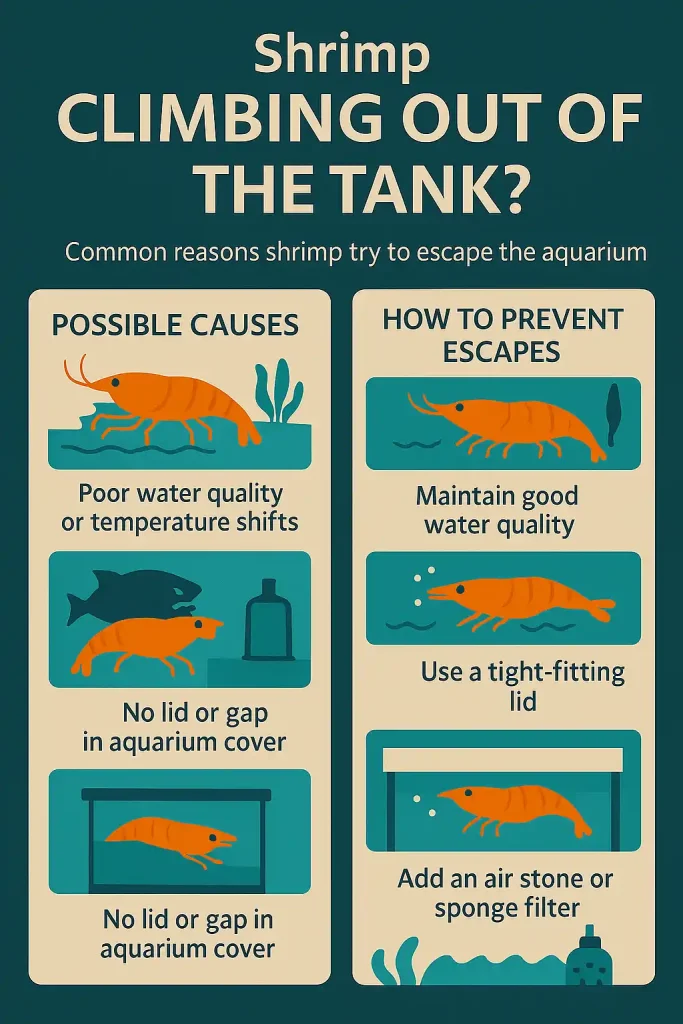
If your shrimp are consistently trying to escape, it’s likely a sign that something in the tank environment is off. Shrimp are sensitive to changes and often respond by climbing, jumping, or even launching themselves out of the tank in search of better conditions.
Poor Water Quality (Ammonia, Nitrite, pH Swings)
Even a small rise in ammonia or nitrites can make shrimp panic. Toxic water conditions are one of the most common reasons shrimp try to leave the tank.
If they’re:
- Darting around the tank
- Hanging at the water surface
- Avoiding certain areas
…it’s time to test the water immediately. Sudden pH drops or swings can also trigger escape behavior.
Low Oxygen Levels or Poor Circulation
Shrimp rely on dissolved oxygen to breathe. If your tank lacks surface movement, oxygen levels can drop—especially at night.
Signs include:
- Shrimp clustering near the surface or filter outlet
- Lethargy followed by frantic climbing
- All shrimp acting strangely, not just one
Adding an air stone or sponge filter often fixes the issue fast.
Drastic Water Changes or Temperature Shock
Large water changes can cause shifts in:
- Temperature
- TDS (total dissolved solids)
- pH and mineral levels
If these change too quickly, shrimp may try to escape what they perceive as a dangerous environment.
Always use dechlorinated, temperature-matched water and perform smaller, more frequent water changes when possible.
Stress From Aggressive Tankmates
Shrimp kept with fin-nippers, curious fish, or even large snails can feel threatened. Constant stress can lead them to climb the tank walls or hide near the top.
If you notice shrimp avoiding certain fish or corners of the tank, consider rehoming aggressive tankmates or increasing plant cover.
Incomplete Tank Lid or Low Water Line
Sometimes, shrimp escape simply because they can. A low water line combined with a missing lid gives them a clear path out.
Shrimp can climb:
- Filter tubes
- Heater cords
- Silicone seams
Even a half-inch gap can be enough.
Read also: Cherry Shrimp Tank Mates: 15 Best Friends
Instinctive Breeding or Migration Behavior (Esp. Ghost Shrimp)
Some wild-caught shrimp (especially ghost shrimp) may retain natural instincts to migrate or climb during breeding phases. Though rare in home tanks, this behavior can still appear—especially if the tank lacks enrichment or natural barriers.
How High Can Shrimp Jump or Climb?
Shrimp may look small and delicate, but many species are surprisingly agile. If conditions push them, they’ll try to climb out—and some can even leap through tiny openings.
Typical Jumping Behavior of Small vs. Large Shrimp
- Cherry shrimp rarely jump, but they can still climb filter intakes, cords, or silicone seams near the corners.
- Ghost shrimp and Amano shrimp are much stronger and can launch themselves several inches into the air, especially during water stress or breeding attempts.
In shallow tanks or tanks without lids, shrimp can easily reach the rim and crawl out unnoticed.
Why You Should Always Use a Lid
Even a small opening can be a risk. Shrimp can:
- Squeeze through gaps around filter cutouts
- Climb up condensation-soaked glass
- Use tubing or plant stems as a bridge to escape
Using a tight-fitting lid or fine mesh cover is the easiest way to prevent accidents—especially for tanks near windows or lights that attract shrimp movement at night.
Cases of Shrimp Climbing Airline Tubing, Filters, and Tank Corners
There are plenty of reports (especially in ghost shrimp tanks) where shrimp have:
- Climbed up the sponge filter air line
- Used HOB (hang-on-back) filter intake pipes as ladders
- Crawled up silicone corners and out over the edge
If you’re using sponge filters, it’s smart to secure tubing or keep the water line a little lower. Always monitor tubing and cords that enter or exit the tank.
How Long Can Shrimp Survive Out of Water?
If your shrimp has already escaped or been found outside the tank, time is critical—but survival is sometimes possible. Shrimp can survive out of water briefly, depending on humidity, surface, and how long they’ve been exposed.
Cherry Shrimp vs. Ghost Shrimp Out of Water Survival
- Cherry shrimp can typically survive 10–30 minutes out of water, especially in humid environments or if found on damp surfaces.
- Ghost shrimp and Amano shrimp may survive slightly longer due to their larger size and tougher exoskeleton.
However, these times aren’t guaranteed. Warm, dry air or rough surfaces (like carpet) drastically reduce their chances.
Immediate Actions if You Find a Shrimp on the Floor
If the shrimp is still moist or twitching:
- Gently pick it up with clean, wet fingers or a soft net.
- Place it back into the tank carefully, away from the filter output or other tankmates.
- Keep the lights off and avoid feeding for a few hours to reduce stress.
Sometimes, they’ll bounce back within minutes. Other times, they may be too stressed and pass away quietly later.
Signs of Recovery or Fatal Stress
If your shrimp survives the fall but shows:
- Pale or milky coloration
- Lack of movement for more than 1 hour
- Gills not moving
…it may not survive long. In this case, there’s not much to do besides providing a calm environment and stable water.
To prevent this altogether, always double-check for a secure lid and avoid low water levels that give shrimp easy climbing routes.
Read also: Shrimp Not Moving But Still Alive?
How to Tell If Your Shrimp Are Stressed or Trying to Escape
Shrimp don’t show stress the way fish do—but their behavior speaks volumes. If your shrimp are acting unusual, climbing surfaces, or swimming frantically, it may be their way of telling you something’s wrong.
Restlessness, Surface Swimming, Darting Up Glass
Stress-related escape behavior often looks like:
- Shrimp racing around the tank for no reason
- Swimming in circles or straight upward toward the surface
- Climbing up glass walls or filter tubes repeatedly
These are signs that your shrimp are trying to leave poor conditions—usually due to bad water, low oxygen, or sudden changes.
Hiding, Color Loss, or Lack of Feeding
Some shrimp respond to stress by shutting down. Watch for:
- Faded color, especially in cherry shrimp
- Shrimp refusing food or hiding all day
- Staying in unusual spots like filter corners or tank seams
This passive stress is just as serious as frantic behavior—it often comes before escape attempts or death.
Water Test Checklist to Identify the Problem
If you suspect stress, check:
- Ammonia & nitrite – must be 0 ppm
- Nitrate – ideally below 20 ppm
- pH – consistent, not swinging
- Temperature – stable within shrimp-safe range (72–78°F or 22–25°C)
- Oxygen – ensure surface movement or add air stone
Even one parameter being off can trigger stress and climbing.
Here’s the next section of your article:
How to Prevent Shrimp from Climbing Out of the Tank
Once you’ve had one shrimp escape, it’s time to make your setup escape-proof. Fortunately, preventing shrimp from climbing out is simple with a few small adjustments.
Secure Your Lid or Cover Gaps
Use a tight-fitting lid, glass top, or fine mesh screen to cover the tank completely. Even small gaps around:
- Filter openings
- Airline tubing
- Heater cords
can give shrimp a path to escape. Silicone plugs or sponge gaps can help close small holes.
Improve Oxygen with Air Stones or Surface Agitation
Low oxygen is one of the main reasons shrimp try to escape. Adding:
- An air stone,
- A sponge filter, or
- Increasing surface ripple with your filter output
can improve gas exchange and help shrimp feel more comfortable in the water.
Keep Parameters Stable and Match During Water Changes
Avoid doing large water changes with water that’s colder, warmer, or has different pH or TDS. Always:
- Use dechlorinated, temperature-matched water
- Do smaller, more frequent changes
- Test water after every maintenance session
Shrimp are sensitive, and even small shifts can push them to climb or jump.
Use a Shrimp-Safe Sponge Filter for Gentle Flow
High flow from hang-on-back filters or internal pumps can stress shrimp—especially small ones like cherry shrimp. A sponge filter:
- Keeps the water calm
- Adds oxygen
- Prevents shrimp from climbing the filter tube
It’s one of the easiest upgrades to make a tank safer.