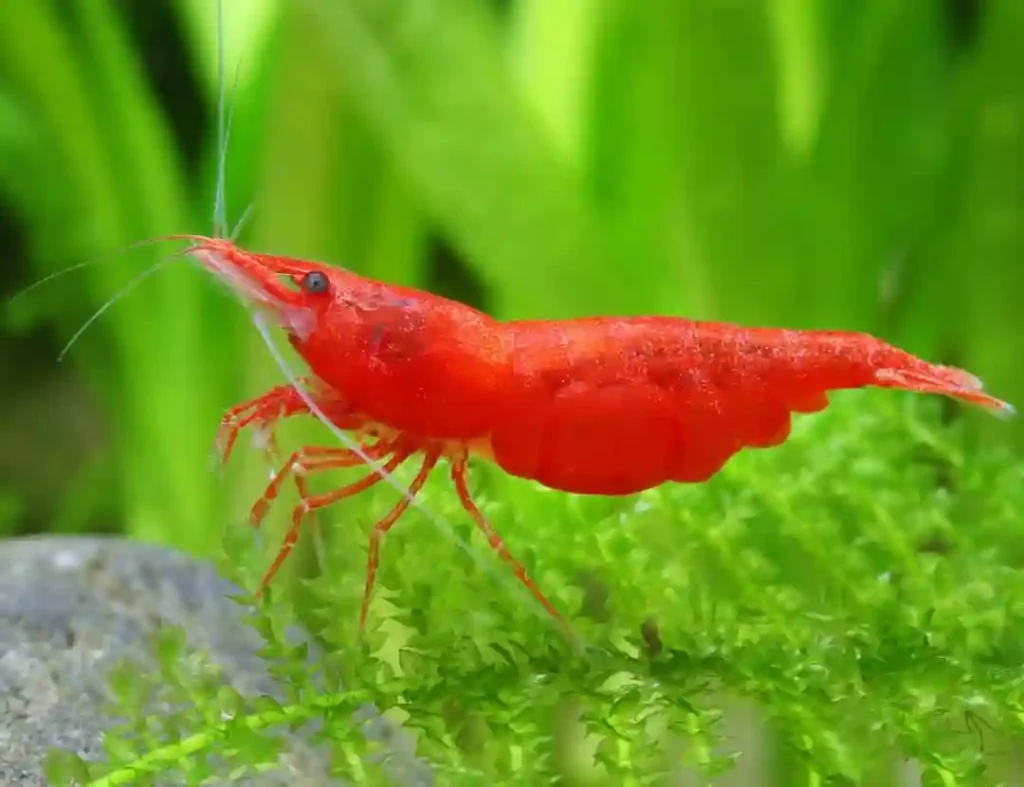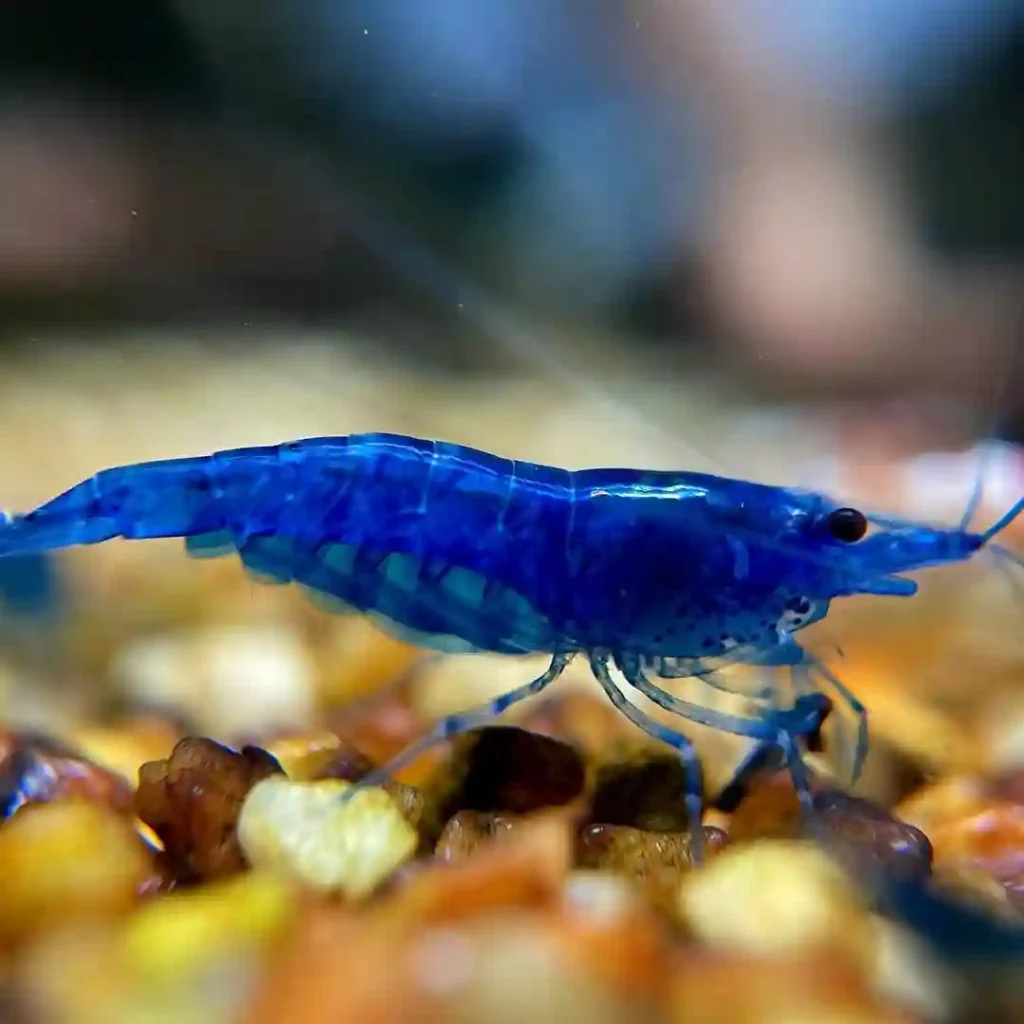
If your shrimp aren’t thriving, struggling to molt, or not breeding at all, your water’s GH and KH might be to blame. These two parameters often overlooked by beginners play a major role in shrimp health. In this guide, we’ll walk you through what GH and KH are, why they matter, and how to manage them for different types of shrimp.
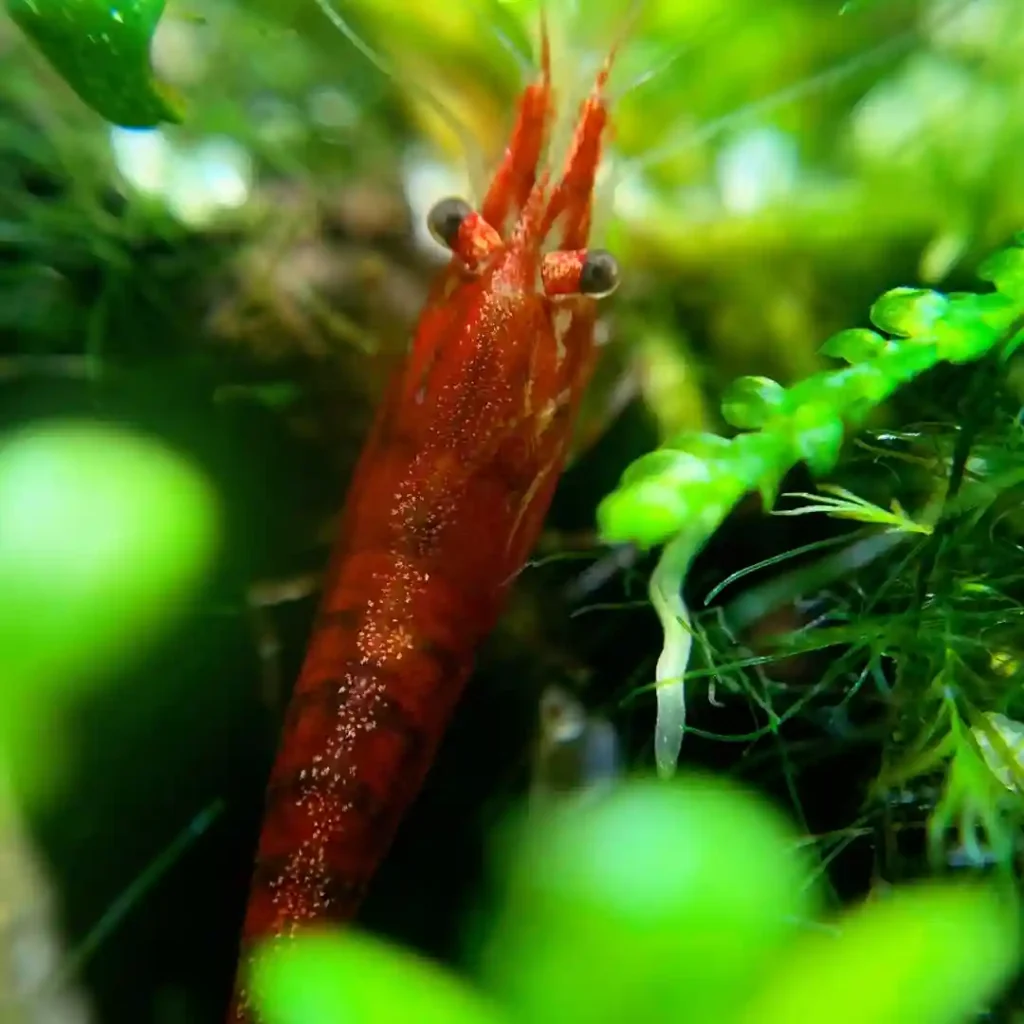
What Are GH and KH in Aquariums?
GH, or General Hardness, measures the amount of calcium and magnesium dissolved in your water. These minerals are essential for shrimp molting, shell strength, and even overall health.
KH, or Carbonate Hardness, on the other hand, helps stabilize your water’s pH. When KH is too low, your pH can swing up and down, which is stressful or even fatal for shrimp.
Think of GH as your shrimp’s mineral supply, and KH as your tank’s stability anchor.
Why These Levels Matter for Shrimp
Getting GH and KH right is more than just hitting a number. If GH is too low, your shrimp may fail to molt properly or develop soft, weak shells. If it’s too high, they can experience stress or shortened lifespans. Meanwhile, a KH level that’s too low can lead to rapid pH crashes—especially dangerous for sensitive species like Caridina shrimp.
It’s all about balance. Stable, mineral-rich water keeps shrimp active, colorful, and more likely to breed successfully.
Ideal GH and KH for Different Shrimp Species
Different shrimp types have different needs. Cherry shrimp, for example, are hardy and can tolerate a wider range of conditions. Crystal Red shrimp are more delicate, needing soft water with low carbonate hardness.
Here’s a quick breakdown:
| Shrimp Type | GH | KH | Water Type |
| Cherry Shrimp | 6–8 | 3–5 | Tap or RO mix |
| Crystal Red | 4–6 | 0–2 | RO + minerals only |
| Amano Shrimp | 6–8 | 2–6 | Tap or RO mix |
| Tiger Shrimp | 4–6 | 1–3 | Soft water needed |
| Ghost Shrimp | 6–10 | 3–8 | Flexible, hardy |
As you can see, soft-water shrimp like Crystal Reds require much lower KH than Neocaridina species. Using RO water with remineralizers is often the best way to achieve this level of precision.
Measuring GH and KH in Your Shrimp Tank
To keep things consistent, it’s best to use a liquid test kit (such as API or JBL) to check GH and KH weekly. TDS (Total Dissolved Solids) meters are also handy tools—they don’t tell you exactly what minerals are in your water, but they give a reliable indication of overall mineral content.
For cherry shrimp, aim for a TDS of 150–250 ppm. For Crystal Red shrimp and other Caridina, keep TDS closer to 100–180 ppm.
How to Adjust GH and KH in a Shrimp Tank
If your GH is too low, you’ll need to supplement with shrimp-specific mineral powders or liquids. Products like Salty Shrimp GH+ work well for Caridina shrimp, while GH/KH+ is ideal for Neocaridina. These are easy to add to RO water before a water change.
To increase KH, you can add a small amount of crushed coral or aragonite sand to your tank or filter. This slowly raises carbonate levels and buffers your pH. Be careful though—raising KH too quickly can cause problems.
If your GH or KH is too high, the safest method is to dilute with RO water. This gives you a clean slate and allows you to add only the minerals your shrimp need.
Always adjust water parameters gradually over a few days. Sudden shifts can shock your shrimp and cause more harm than the issue you’re trying to fix.
Read also: How to Cycle a Shrimp Tank?(Safely & Quickly)
Common Problems Caused by Incorrect GH/KH
Molting issues are one of the first signs of low GH. If you notice shrimp struggling to shed their exoskeletons, or dying mid-molt, your water likely lacks calcium and magnesium. High GH, on the other hand, may lead to white, chalky shells and early deaths.
A crashing pH is a telltale sign that your KH is too low. Shrimp become sluggish or hide constantly, and you may see unexpected deaths after a water change. That’s why it’s important not to rely on just pH tests—GH and KH give you the full picture.
How to Keep GH and KH Stable
Stability is more important than chasing perfect numbers. Even if your GH is a little high or low, consistent parameters are better than frequent changes. Use the same water source, remineralize carefully, and test regularly.
For sensitive species, RO water with a trusted remineralizer gives you full control. For hardier shrimp like cherry or ghost shrimp, treated tap water may work fine—just be sure it’s copper-free and doesn’t swing between water changes.
Final Thoughts
Understanding GH and KH is essential for successful shrimp keeping. These two water parameters influence everything from molting and shell strength to breeding and survival rates. While Neocaridina shrimp can tolerate a range of conditions, Caridina shrimp need soft, mineral-balanced water—and that usually means using RO water with precise remineralization.
Test your water often, adjust slowly, and always aim for consistency. Your shrimp will thank you with vibrant colors, active behavior, and a tank full of healthy offspring.