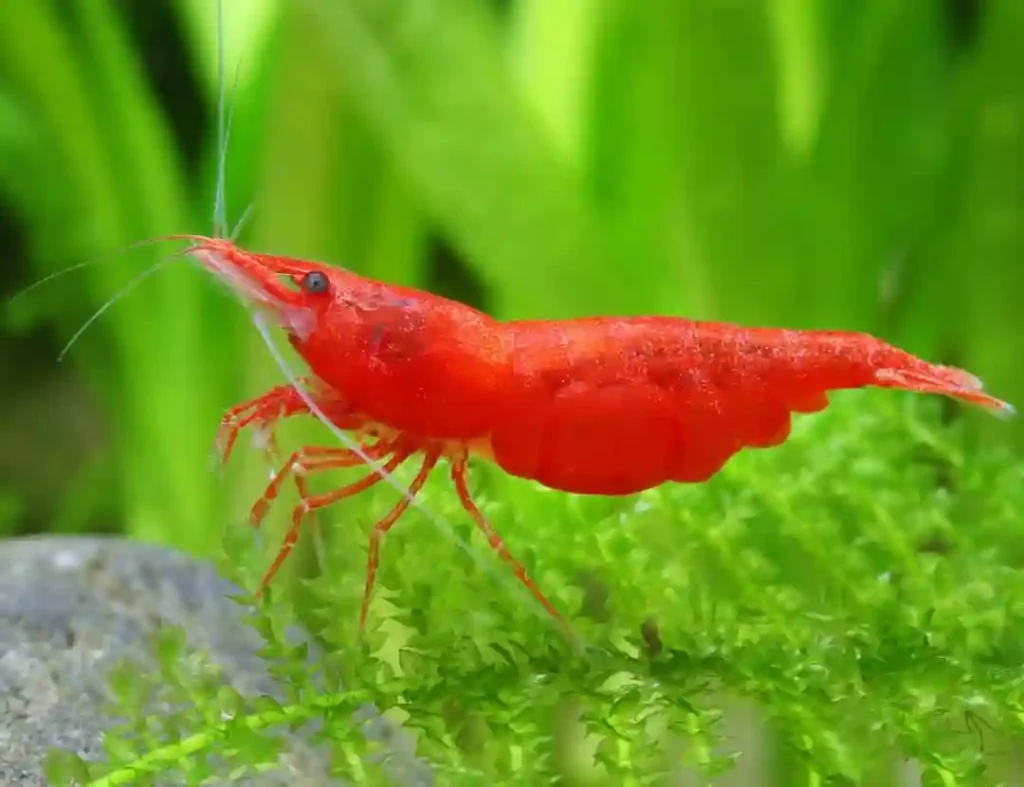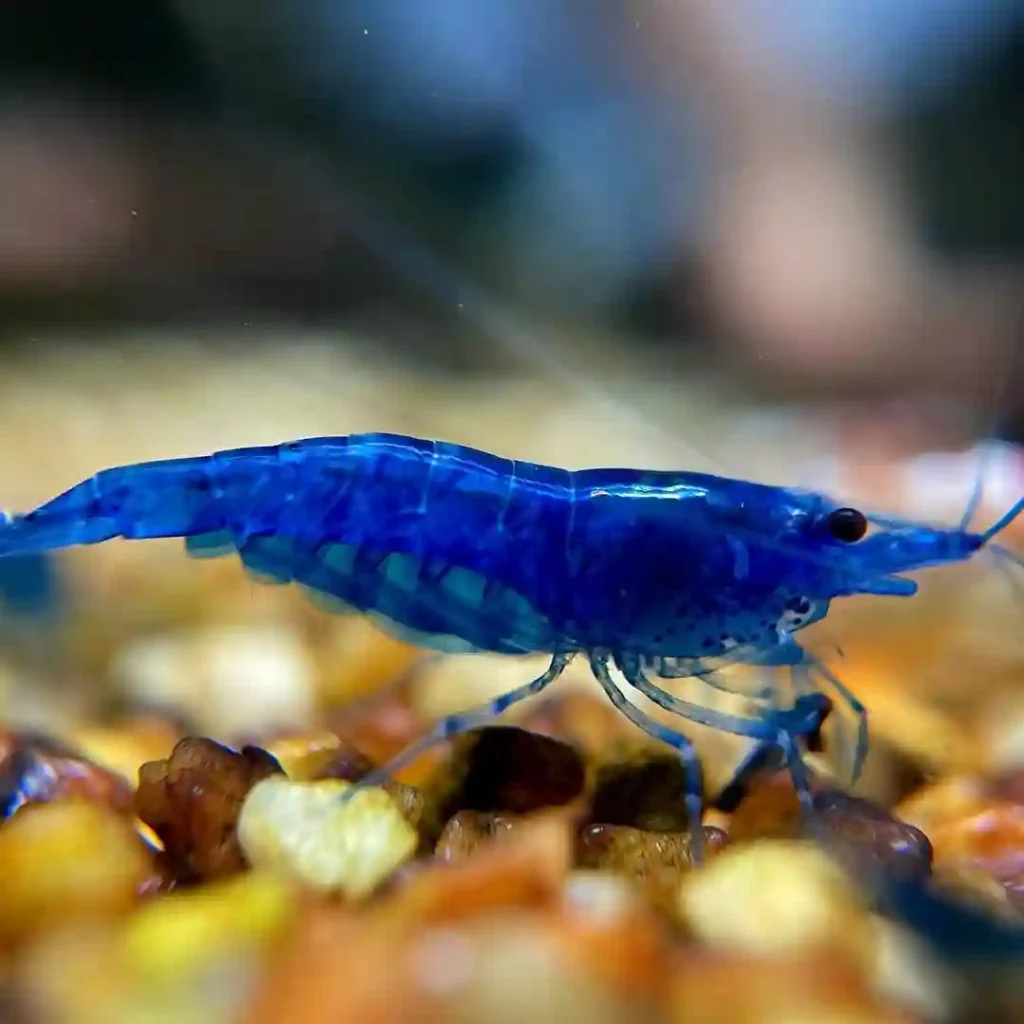
If your shrimp is lying still but still alive maybe barely moving its legs or gills you’re not alone. Many new shrimp keepers panic when they see their cherry or Amano shrimp motionless at the bottom of the tank. But stillness doesn’t always mean something is wrong.
Let’s go through the most common reasons your shrimp might be motionless, what’s normal, and when you should be concerned.
Is Your Shrimp Really Okay? First Things to Check
Before assuming the worst, take a closer look.
Gills Moving, No Signs of Decay
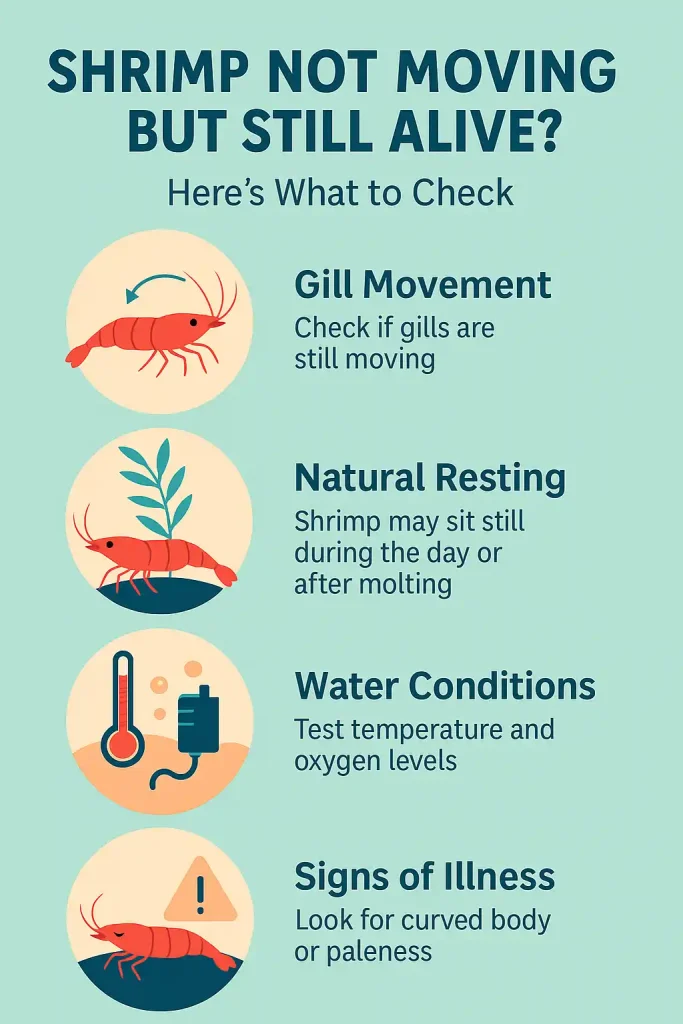
The first thing to check is whether the gills are still moving. Even if the shrimp is lying on its side or not walking, visible gill movement means it’s alive. In some cases, shrimp will rest for long periods, especially during or after molting.
Look for signs of life:
- Gentle leg twitching
- Gills opening and closing
- Eye movement (though subtle)
If there’s no foul smell or color change, it’s likely still alive.
Daytime Hiding or Natural Stillness
Shrimp are more active at night and early morning. During the day, it’s not unusual for them to hide or remain still under leaves, behind rocks, or on the tank floor. This is especially true for new shrimp adjusting to a new environment or light cycle.
If your tank is bright or recently disturbed, they may simply be keeping still to feel safe.
Water Temperature and Oxygen Levels
If your shrimp is staying still for too long, check your water temperature and oxygen levels. Too high or too low temps (below 68°F or above 80°F) can slow them down or stress them out.
Also, poor oxygenation—especially in tanks without surface movement—can cause lethargy. If multiple shrimp are affected, consider adding an air stone or adjusting the filter flow.
Common Situations When Shrimp Don’t Move Much
There are several normal scenarios where shrimp may appear lifeless but are actually fine. Recognizing these moments can help you avoid unnecessary panic or overcorrecting your tank.
New Shrimp Not Moving After Introduction
When you first add shrimp to a new tank, it’s common for them to stay still for hours—or even a full day. The stress from transportation, different water parameters, and a new environment can make them freeze in place while adjusting.
As long as the gills are moving and they’re not upside down, give them time. If they’re still motionless after 24 hours, test your water and review your acclimation process.
Cherry Shrimp or Amano Shrimp Staying Still
Both cherry and Amano shrimp are more active at night. During the day, especially in bright tanks or after cleaning, they may retreat to a corner or sit on the substrate without moving much.
If only one shrimp is still and the others are active, observe closely—but it’s usually not a cause for alarm unless you see other symptoms like color loss or labored breathing.
Shrimp Lying on Side but Still Alive
If a shrimp is lying on its side but not curled or discolored, it could be resting, molting, or recovering from stress. This is most common right after transport or when the water temperature fluctuates.
If it’s still breathing and not turning milky or opaque, don’t try to move it—just monitor for changes.
Pregnant Shrimp Staying Still
Gravid (pregnant) shrimp often reduce their activity, especially in the later stages of carrying eggs. They may tuck themselves away and sit still for long periods to protect the eggs and avoid energy loss.
Stillness in this case is often protective behavior, not illness.
Shrimp Not Moving After Molting
After a molt, shrimp are extremely vulnerable. Their new exoskeleton is soft and needs time to harden. During this period, they may stay completely still for several hours while hiding.
This is completely normal. Do not try to touch or move the shrimp—disturbing it now can be fatal.
What to Do If Your Shrimp Is Motionless
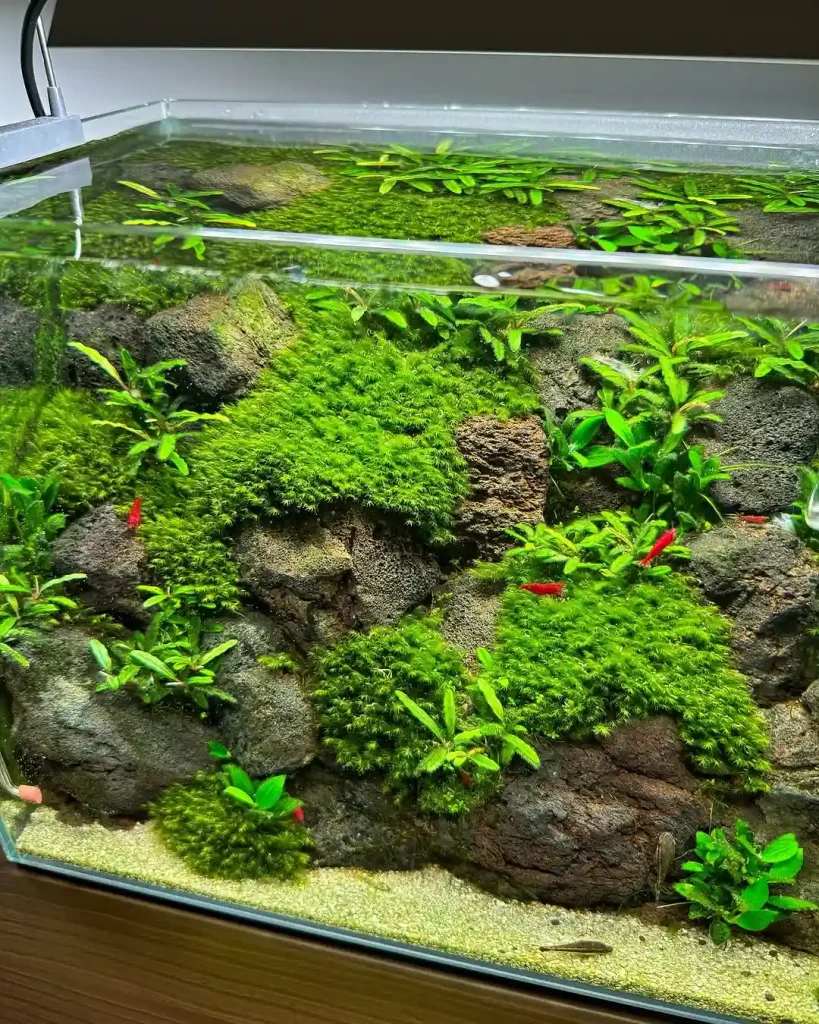
Seeing a shrimp lying still—especially if it’s on its side—can be stressful. But reacting too quickly can sometimes do more harm than good. Here’s what you should and shouldn’t do.
Gently Check for Life Without Stressing It
Avoid poking or touching your shrimp. Instead, use gentle observation. Shine a light on it and watch for gill movement or tiny leg twitches. If you’re still unsure, lightly wave water near it with a dropper or pipette. If it doesn’t float lifelessly or disintegrate, it’s still alive.
Only remove it from the tank if you’re certain it’s dead—handling a live but stressed shrimp can cause it to panic and worsen its condition.
Improve Water Flow or Add Air
If multiple shrimp seem motionless or sluggish, there may be low oxygen in the tank. Adding an air stone or slightly increasing your filter’s surface agitation can help.
Check for signs of poor circulation, like leftover food collecting or shrimp all sitting in one area. In those cases, better water movement often restores their activity.
Avoid Feeding or Adding Chemicals Right Away
It’s tempting to “do something” by feeding or treating the water—but shrimp don’t react well to sudden changes. Adding food may increase waste or ammonia, and using medications without knowing the cause can harm your shrimp further.
Instead, test your water parameters and observe. Stable, clean water is often all they need to recover on their own.
When to Be Concerned
While stillness can be normal in many cases, there are times when it signals that something’s wrong. Knowing what to watch for can help you act before it’s too late.
Signs of Imminent Death
If your shrimp shows any of these signs while not moving, it may be close to death:
- Curled body, especially tail curled under
- Milky or white coloration instead of translucent or vibrant color
- No gill or leg movement for several minutes
- Floating at the surface or stuck upside down
If you see multiple shrimp showing these symptoms, test your water immediately. Issues like ammonia spikes, temperature shock, or toxins can kill shrimp quickly.
Difference Between Resting, Stress, and Dying
- Resting: Lying flat or slightly curled, usually after molting or during the day. Gills still move.
- Stress: Hiding constantly, darting around randomly, or freezing after a disturbance.
- Dying: Pale, not moving at all, curled under, or floating awkwardly.
Observing over a few hours is key. Shrimp that are simply stressed or resting will eventually move or change position.
When to Quarantine or Test Water
If one shrimp is still and others look fine, monitor that one closely. But if multiple shrimp are acting off, it’s time to:
- Test water for ammonia, nitrite, nitrate, and pH
- Check temperature stability
- Inspect for any recent changes—like new food, plants, or treatments
In some cases, you may want to move the motionless shrimp to a separate container with clean, aged tank water to observe without putting others at risk.
FAQ
Why is my shrimp not moving but still breathing?
This is usually normal. Shrimp often stay still after molting, during the day, or when stressed. As long as gills are moving and there’s no sign of decay, it’s likely resting or adjusting.
Is it normal for shrimp to stop moving after a molt?
Yes. After molting, shrimp are soft and vulnerable. They often hide and remain motionless for several hours until their new shell hardens. Do not disturb them during this time.
My shrimp is lying on its side—should I be worried?
It depends. If it’s breathing and not turning pale, it may just be recovering from stress or molting. If there’s no movement after a few hours, test your water and check for signs of illness or water quality issues.
Should I remove a shrimp that isn’t moving?
Only remove it if you’re certain it’s dead. Mistaking a molt or resting shrimp for a dead one is common. Check for gill movement and signs of life before taking action.
Can stress cause shrimp to stop moving?
Yes. Stress from shipping, water changes, or temperature swings can cause shrimp to freeze or hide for hours. Give them time and avoid sudden changes to their environment.