Are you thinking about adding some friends to your tiger barb tank? You’ve come to the right place! Tiger barbs are beautiful, active fish that can sometimes nip at other fish. But don’t worry – with the right tank mates, your tiger barbs can live happily in a community tank.
In this guide, we’ll show you the best fish to keep with tiger barbs, which fish to avoid, and tips for setting up the perfect community tank.

What Makes Tiger Barbs Special?
Tiger barbs (Puntigrus tetrazona) are small, striped fish that are very popular in the hobby. Here’s what makes them unique:
- They grow to about 2-3 inches long
- They have orange bodies with black stripes
- They are active swimmers that love to play
- They can live for 5-7 years with good care
- They do best in groups of 6 or more
While tiger barbs are fun to watch, they can sometimes nip at the fins of other fish. This doesn’t mean they can’t have friends! It just means we need to choose their tank mates carefully.
Best Tank Mates for Tiger Barbs
1. Other Barb Species
Other barbs make great tank mates for tiger barbs because they have similar personalities and needs.
| Barb Species | Size | Temperament | Group Size |
| Rosy Barb | 4-6 inches | Active | 5+ |
| Cherry Barb | 2 inches | Peaceful | 6+ |
| Odessa Barb | 2-3 inches | Semi-aggressive | 6+ |
Rosy Barbs are larger than tiger barbs but just as active. Their reddish color looks amazing next to the orange and black of tiger barbs. Males show bright red colors when they’re happy.
Cherry Barbs are smaller and more peaceful than tiger barbs. They have a beautiful red color that stands out in any tank. They’re a bit shy, but they come out of their shells when kept in groups.
Odessa Barbs have similar size and activity levels to tiger barbs. They have a striking blue and red pattern that adds variety to your tank.
2. Loaches
Loaches are bottom-dwelling fish that help clean up leftover food. They’re active and playful, which makes them perfect for a tiger barb tank.
Clown Loaches are friendly giants that can grow up to 12 inches, but they grow slowly. They’re peaceful despite their size and love to play. Keep them in groups of 3 or more.
Yo-Yo Loaches reach about 6 inches and have a cool pattern that looks like “yo-yo” written on their sides. They’re active and social fish that get along well with tiger barbs.
3. Fast-Swimming Fish
Tiger barbs are quick swimmers, so their tank mates should be able to keep up!
Zebra Danios are small, striped fish that never seem to stop moving. They’re too fast for tiger barbs to nip at, and they add a lot of movement to your tank.
Black Skirt Tetras are sturdy tetras with black “skirts” on their fins. They’re active enough to avoid being bullied by tiger barbs.
Giant Danios are larger cousins of zebra danios. They’re fast swimmers that add action to the top of your tank.
4. Bottom Dwellers
Bottom-dwelling fish stay out of the tiger barbs’ way while helping to keep your tank clean.
Corydoras Catfish are peaceful little catfish that clean up leftover food from the bottom of your tank. They come in many different patterns and colors. Keep them in groups of 6 or more.
Bristlenose Plecos are small catfish that help eat algae in your tank. They mostly hide during the day and come out at night.
5. Larger, Peaceful Fish
Some larger fish can live with tiger barbs because they’re too big to be bothered by fin nipping.
Boesemani Rainbowfish have beautiful blue and orange colors. They’re peaceful but active swimmers that stay toward the top of the tank.
Pearl Gouramis are calm, elegant fish that can hold their own with tiger barbs. They have pretty spot patterns that look like pearls.
Fish to Avoid Keeping with Tiger Barbs
Not all fish make good tank mates for tiger barbs. Here are some you should avoid:
- Bettas: Their long, flowing fins are too tempting for tiger barbs to resist
- Angelfish: Their triangle shape and long fins make them targets for nipping
- Guppies: Their colorful tails attract too much attention from tiger barbs
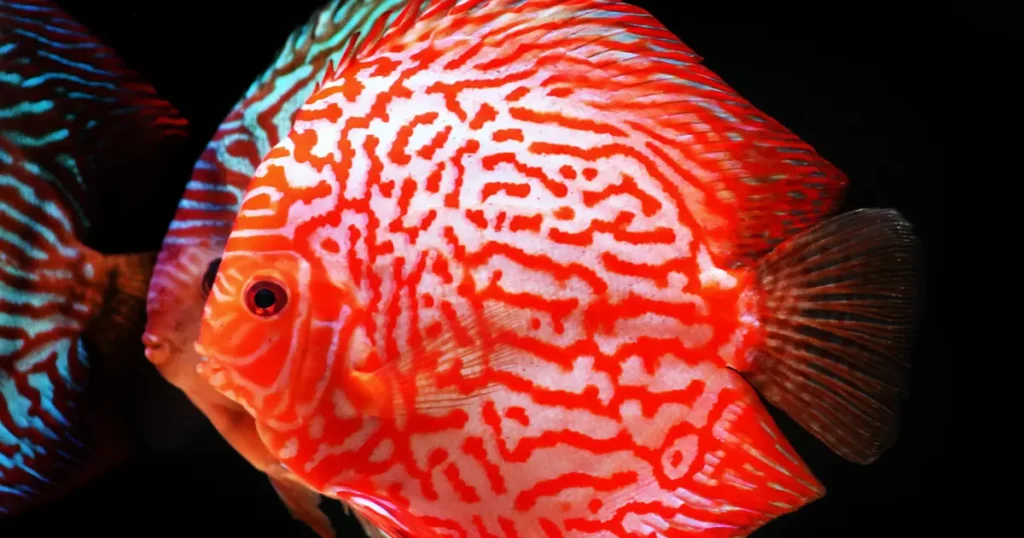
- Discus: These sensitive fish get stressed by the active tiger barbs
Pro tip: Avoid any fish with long, flowing fins when keeping tiger barbs.
Tips for a Peaceful Tiger Barb Community Tank
Keep Enough Tiger Barbs
Tiger barbs are schooling fish that need friends of their own kind. When kept in small groups (less than 6), they get bored and nip at other fish more.
Always keep at least 6-8 tiger barbs together. With enough of their own kind, they’ll focus on playing with each other instead of bothering other fish.
Provide a Big Enough Tank
For a community tank with tiger barbs, you need at least a 30-gallon tank. More space means less fighting over territory.
A larger tank also gives fish room to get away from each other when needed.
Create Hiding Places
Even though tiger barbs are active, all fish need places to hide and rest. Add plants, caves, and driftwood to your tank so fish can have their own space.
Live plants like Amazon swords, anubias, and java fern work great. They also help keep your water clean.
Feed a Varied Diet
Hungry fish are more likely to nip at each other. Feed your fish 2-3 times daily with high-quality food.
Tiger barbs enjoy:
- Flake food
- Small pellets
- Frozen bloodworms
- Brine shrimp
- Daphnia
Setting Up Your Tiger Barb Community Tank
Ready to set up your tiger barb community tank? Here’s what you’ll need:
- Tank: 30 gallons or larger
- Filter: A good filter that creates moderate water movement
- Heater: Tiger barbs like water between 74-79°F
- Substrate: Sand or small gravel
- Plants: Live or silk plants for hiding places
- Caves or driftwood: For additional hiding spots
- Water test kit: To check that your water is healthy
Step-by-Step Tank Setup
- Cycle your tank before adding any fish. This usually takes 4-6 weeks.
- Add your tiger barbs first. Let them settle in for a couple of weeks.
- Add bottom dwellers next, like corydoras catfish.
- Add mid-level swimmers last, such as tetras or other barbs.
- Watch for any problems and be ready to separate fish if needed.
FAQ’S
How many fish can I keep in my tank with tiger barbs?
Follow the one-inch-per-gallon rule as a starting point. For example, a 30-gallon tank could hold about 30 inches of fish total. Remember to count the adult size of your fish, not their current size.
Will tiger barbs kill other fish?
Tiger barbs rarely kill other fish, but their nipping can stress other fish or damage fins. Choosing the right tank mates and keeping tiger barbs in proper groups reduces this risk.
Can tiger barbs live with goldfish?
No, tiger barbs and goldfish need different water temperatures. Goldfish are coldwater fish, while tiger barbs need tropical water. Also, goldfish have flowing fins that tiger barbs might nip.
Do tiger barbs calm down as they age?
Yes, tiger barbs often become less aggressive as they mature. Adult tiger barbs usually focus more on swimming with their school than bothering other fish.
Final Thoughts
Creating a community tank with tiger barbs takes some planning, but the results are worth it! With the right tank mates and setup, you’ll have a beautiful, active tank full of different colors and personalities.
Remember these key points:
- Keep at least 6-8 tiger barbs together
- Choose tank mates that are either fast, large enough to defend themselves, or stay out of the way
- Avoid fish with long, flowing fins
- Provide plenty of space and hiding places