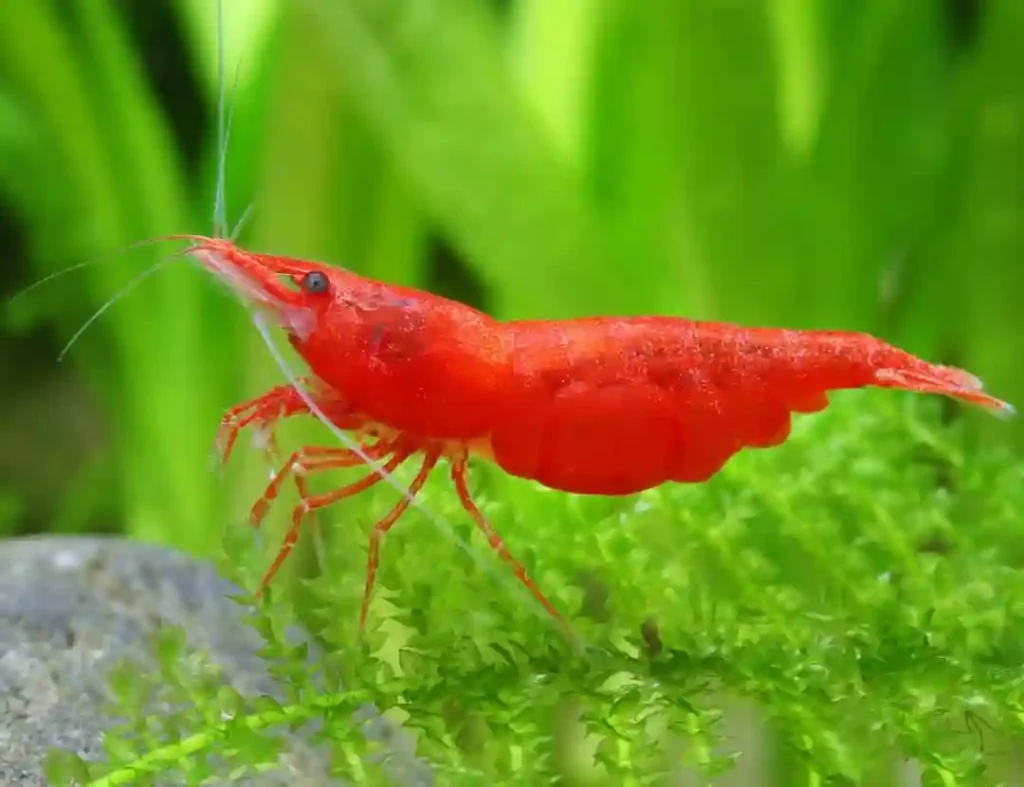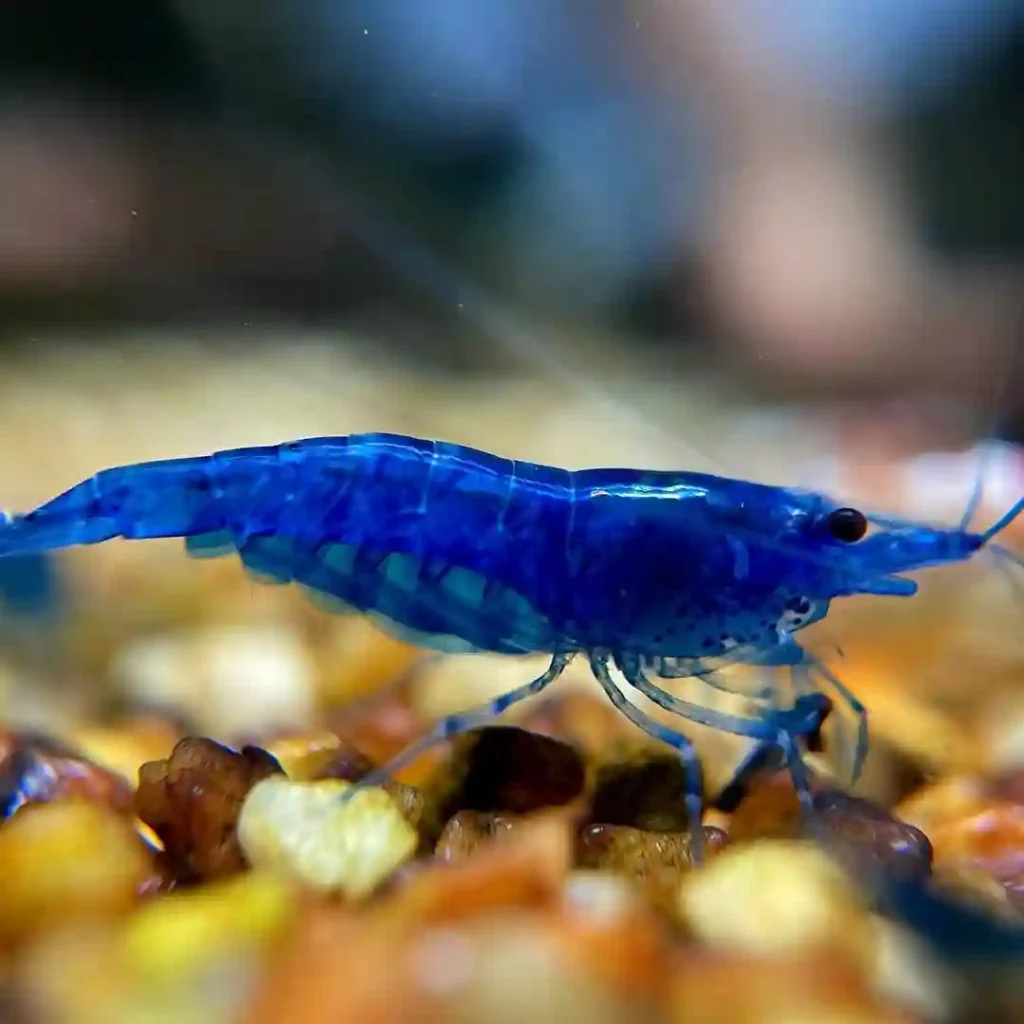
Feeding your aquarium shrimp the right food is key to keeping them active, healthy, and ready to breed. Whether you’ve got Cherry Shrimp, Amano Shrimp, or Caridina species, their diet plays a huge role in their color, growth, and survival.
In this guide, we’ll walk you through everything you need to know about shrimp nutrition — from natural food sources to the best store-bought options — with tips to help your shrimp thrive.
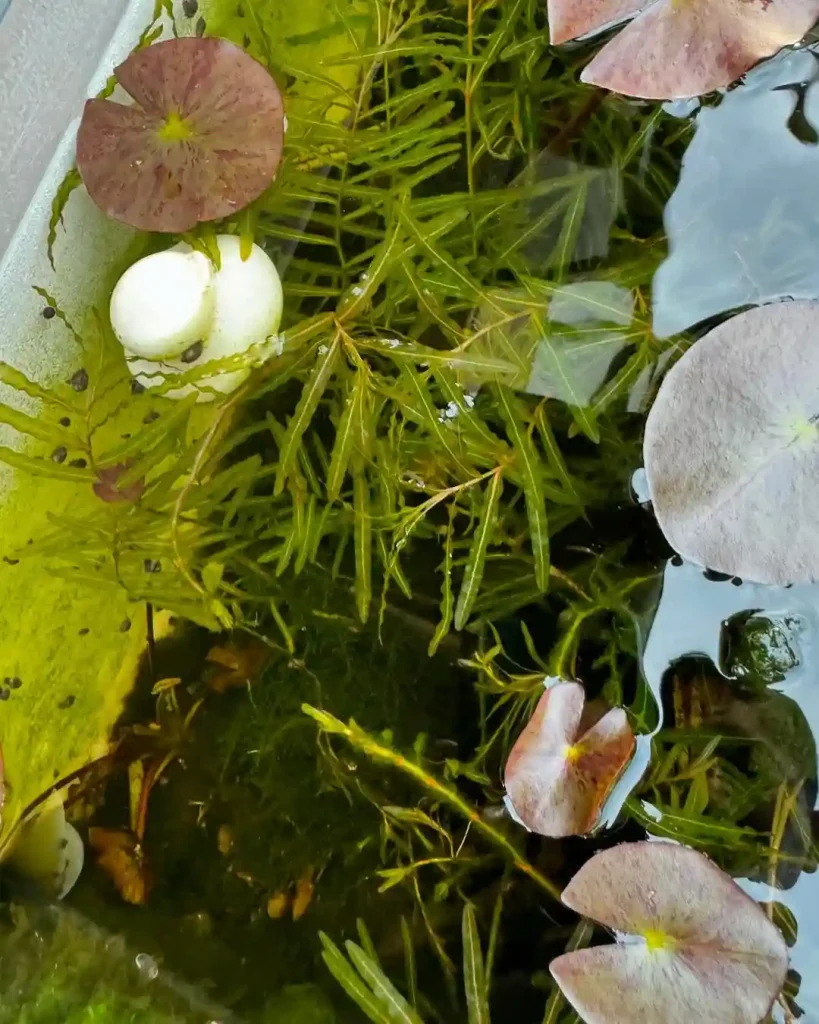
Natural Food Sources For Shrimp’s Everyday
1. Biofilm (Their #1 Favorite Food)
Biofilm is like a buffet of tiny microorganisms, algae, and bacteria that naturally grows on hard surfaces like glass, driftwood, and plants. Shrimp love to graze on it all day, especially baby shrimp who rely on it to survive their early days.
To boost biofilm naturally:
- Add Indian almond leaves, driftwood, or cholla wood
- Use sponge filters instead of strong flow filters
- Avoid over-cleaning the tank glass or decor
2. Algae
Shrimp love soft algae, especially green and hair algae. You don’t need to clean every inch of your tank — let some algae grow on hard surfaces so your shrimp always have something to nibble on.
Fresh Veggies & Leaf Litter (Budget-Friendly Options)
1. Blanched Vegetables
Boiled veggies are a great way to add variety to your shrimp’s diet. Just blanch thin slices of:
- Zucchini
- Spinach
- Kale
- Cucumber
Let them cool and sink before adding to the tank. Always remove any leftovers after a few hours to keep the water clean.
2. Leaf Litter
Dry leaves don’t just make your tank look natural — they slowly break down and grow biofilm while releasing tannins that are good for shrimp health.
Popular options:
- Indian almond leaves
- Mulberry leaves
- Guava leaves
Replace every 2–3 weeks or when the leaf is mostly eaten.
Read also: How to Raise Baby Shrimp: Easy Guide for First-Time Keepers
Commercial Shrimp Foods (Easy and Reliable)
1. Algae Wafers
Algae wafers are a go-to for shrimp keepers. They’re packed with plant-based nutrients and sink quickly so shrimp can start grazing. Brands like Hikari or Omega One are solid choices. Break the wafer into small pieces to avoid overfeeding.
2. Shrimp-Specific Pellets
These are made with shrimp in mind — balanced with protein, minerals (like calcium for molting), and natural color enhancers.
Top brands to look for:
- Shrimp King
- BorneoWild
- Shirakura
They’re ideal if you want your shrimp to breed or grow quickly.
Protein: A Once-a-Week Treat
Shrimp mostly eat plant-based food, but they benefit from a little protein too — especially breeding females. Offer it just once a week to avoid polluting the tank.
Try:
- Blanched peas
- Freeze-dried bloodworms
- Baby brine shrimp
Only feed what they can finish in a couple of hours.
Extra Feeding Tips for Shrimp Owners
- Feed light and observe – Shrimp are grazers and don’t need large meals
- If food is still there after 3–4 hours, you’re feeding too much
- In newer tanks, where biofilm is limited, feed a bit more often with quality food
- Skip feeding days – shrimp can go a day or two without direct feeding if natural food is present
Final Thoughts
Feeding aquarium shrimp isn’t complicated, but it matters. Keep their diet varied, light, and natural as much as possible. With a mix of biofilm, algae, veggies, and high-quality pellets, you’ll support stronger molts, brighter colors, and more babies.
Just remember: shrimp do best when they have food available in small amounts throughout the day so build your tank to support natural grazing, and supplement wisely.