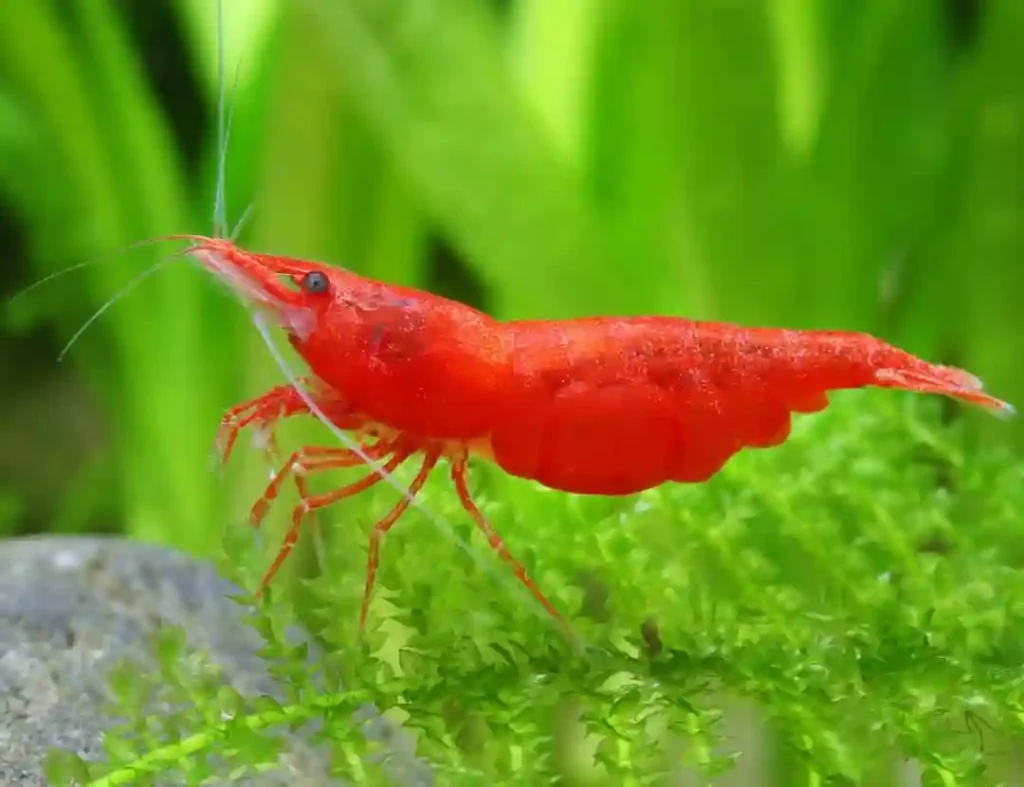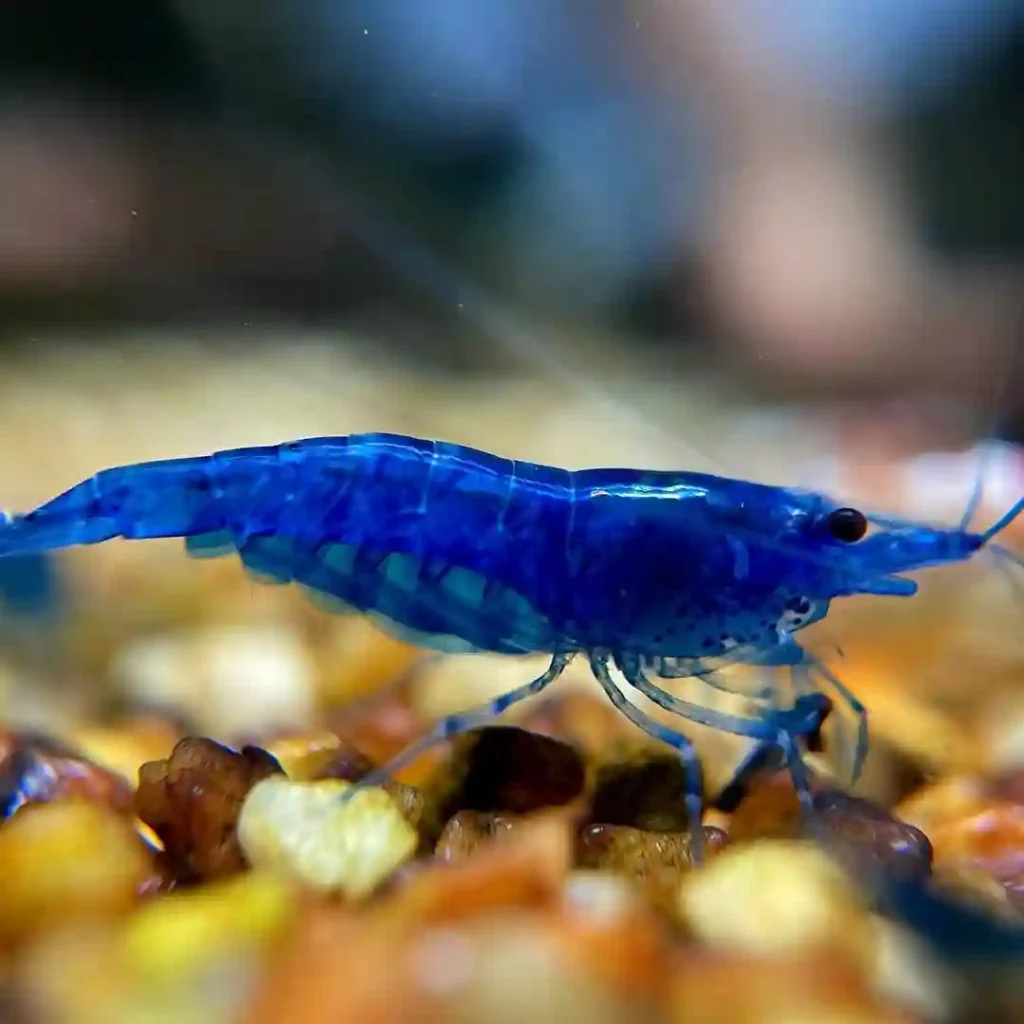
Cherry shrimp do not always need a heater, especially in homes where the room temperature stays between 68–74°F (20–23°C). However, stable and appropriate temperatures are crucial for their health, molting, and breeding. If your room gets colder than 65°F (18°C) or fluctuates too much, a heater is recommended to avoid stress or death.
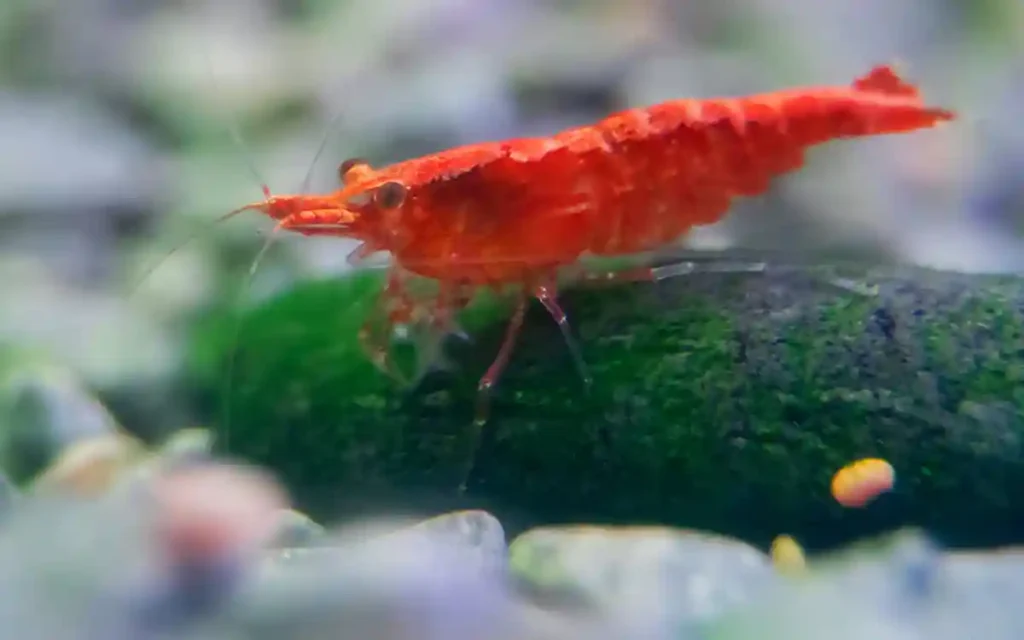
Do Cherry Shrimp Need a Heater?
Cherry shrimp (Neocaridina davidi) are one of the hardier shrimp species available in the hobby. Originally from Taiwan, these adaptable creatures have evolved to handle various conditions, which contributes to their popularity in home aquariums.
The Ideal Temperature Range
Cherry shrimp generally thrive within a temperature range of 70–78°F (21–26°C). This is their comfort zone where all biological processes—including metabolism, molting, and reproduction—function optimally. However, they can tolerate temperatures outside this range with some caveats:
Minimum Safe Temperature: Around 65°F (18°C) Maximum Temperature Tolerance: Up to 82°F (28°C)
At the lower end of their tolerance range, cherry shrimp become less active and their reproduction rates decrease significantly. Molting issues may also become more common as metabolic processes slow down. On the higher end, increased temperatures accelerate their metabolism, which can shorten their lifespan and potentially lead to stress-related issues.
Stability Trumps Warmth
Here’s a crucial point that many new shrimp keepers miss: temperature stability is more important than achieving perfect warmth. Cherry shrimp are highly sensitive to rapid temperature fluctuations, often more so than to temperatures slightly outside their ideal range.
A tank that maintains a steady 68°F day and night will typically house healthier shrimp than one that swings between 72°F during the day and 78°F at night. These fluctuations force the shrimp’s bodies to constantly adjust, creating physiological stress that can lead to molting problems, susceptibility to disease, and even premature death.
When You Can Skip the Heater
Not every cherry shrimp tank requires artificial heating. Here are scenarios where you might successfully maintain shrimp without a dedicated heater:
Consistently Warm Living Spaces
If your home maintains a year-round temperature between 68–74°F with minimal fluctuation, your cherry shrimp may do perfectly fine without supplemental heating. This is particularly true for:
- Homes in temperate climates with good insulation
- Apartments with centralized heating systems
- Rooms that stay naturally warm and don’t experience nighttime temperature drops
Larger Tank Volumes
Tank size plays a significant role in temperature stability. Larger volumes of water resist temperature changes more effectively than smaller volumes. A 20-gallon tank will hold its temperature significantly longer than a 5-gallon tank when exposed to the same ambient temperature change.
For heater-free setups, tanks of 10 gallons or larger generally provide better temperature stability and a more forgiving environment for cherry shrimp.
Proper Placement Within Your Home
The location of your tank can eliminate the need for a heater. Ideal placements include:
- Interior rooms away from external walls
- Areas without drafts from windows, doors, or vents
- Spaces that don’t receive direct sunlight or get unusually hot during the day
- Rooms where you can close the door to maintain stable temperatures
When a Heater Becomes Essential
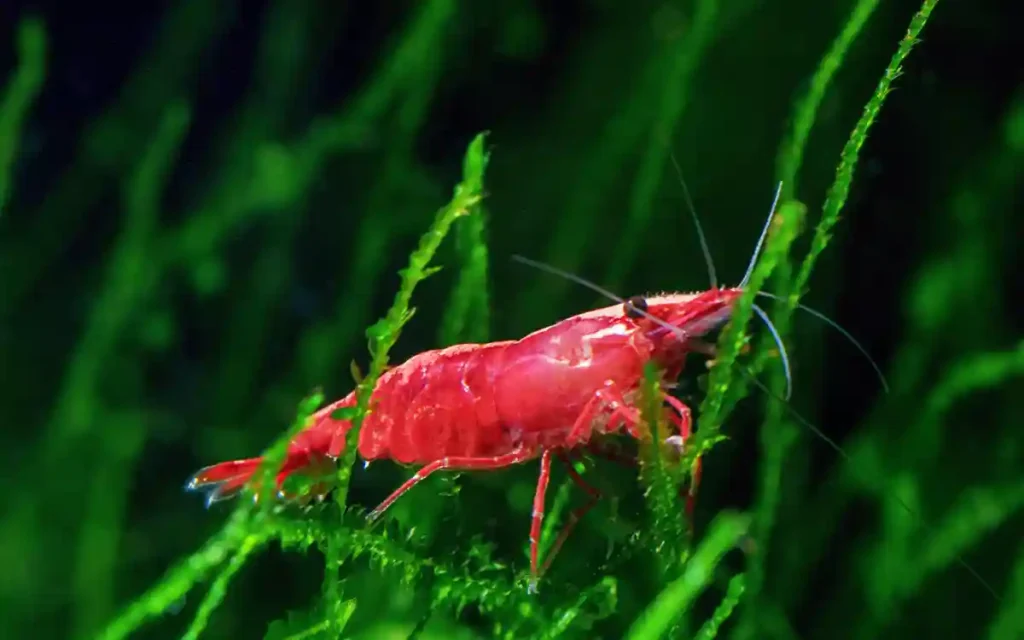
Despite their adaptability, there are several situations where cherry shrimp absolutely need the support of a heating element:
Seasonal Temperature Fluctuations
In many climates, winter brings significant temperature drops that can stress or kill cherry shrimp. Even in homes with central heating, nighttime thermostat adjustments can create dangerous temperature swings. A heater becomes essential when:
- Overnight temperatures in your home drop below 65°F
- Heating systems cycle on and off, creating temperature fluctuations
- Seasonal changes cause gradual but significant temperature shifts
Breeding-Focused Setups
If you’re keeping cherry shrimp with the intention of breeding them consistently, temperature control becomes much more important. Warmer temperatures within the ideal range (around 75–78°F) tend to:
- Accelerate the maturation of young shrimp
- Increase breeding frequency
- Improve egg hatching rates
- Enhance survival rates of newly hatched shrimplets
Serious breeders almost always use heaters to maintain these optimal conditions year-round.
Particular Home Environments
Some living situations make heaters necessary regardless of climate:
- Homes with aggressive air conditioning during summer
- Spaces with poor insulation or temperature control
- Rooms that experience significant day/night temperature swings
- Basement locations where ambient temperatures stay cool
Read also: Cherry Shrimp Tank Mates: 15 Best Friends
Real-World Examples of Heater-Free Success
Many successful cherry shrimp keepers maintain healthy colonies without heaters. Here are some real-world scenarios that work well:
The Florida Room Setup
A hobbyist in Florida maintains a thriving colony of cherry shrimp in a 15-gallon tank positioned in an interior room. With year-round indoor temperatures between 72–76°F, the shrimp breed regularly and display vibrant coloration without any supplemental heating.
The Home Office Tank
Another keeper maintains a 10-gallon cherry shrimp tank in a home office where the temperature consistently stays between 70–74°F. The computer equipment in the room provides subtle ambient warming, and the tank is positioned away from windows and air vents. The Blue Dream shrimp variant in this tank has successfully reproduced multiple generations without a heater.
The Seasonal Hybrid Approach
Many hobbyists successfully use what might be called a hybrid approach—running tanks without heaters during warmer months but adding a heater during winter to prevent dangerous temperature drops. This compromise works well for many species, including cherry shrimp.
Strategies for Heater-Free Success
If you decide to maintain cherry shrimp without a heater, implementing these strategies will improve your chances of success:
Tank Size and Configuration
Larger tanks provide more stable water parameters, including temperature. Consider these approaches:
- Choose a tank of at least 10 gallons for better temperature stability
- Use a glass aquarium rather than acrylic (glass provides better insulation)
- Consider adding a lid or cover to reduce heat loss and evaporation
- Position filter outlets to reduce surface agitation during cooler periods (surface movement increases heat loss)
Strategic Tank Placement
Where you position your tank matters tremendously:
- Keep tanks away from windows, exterior doors, and air vents
- Avoid placing tanks on exterior walls, especially in winter
- Elevate tanks slightly off cold flooring surfaces
- Consider placing tanks in naturally warmer rooms like kitchens (away from cooking areas)
Simple Insulation Techniques
Adding basic insulation can help maintain stable temperatures:
- Apply foam insulation boards to the back or sides of the tank
- Place an insulation mat underneath the tank
- Use floating plants to reduce heat loss from the water surface
- For small temperature adjustments, consider the heat output from lighting
Consistent Monitoring
Without a heater’s temperature control, vigilant monitoring becomes essential:
- Use a high-quality digital thermometer with minimum/maximum temperature tracking
- Check temperatures at different times of day, especially early morning (typically the coldest)
- Keep a temperature log for at least a few weeks when setting up a new tank
- Be particularly vigilant during seasonal transitions
Choosing the Right Heater (If Needed)
If you determine that your cherry shrimp do need a heater, selecting the appropriate equipment is important:
Sizing Guidelines
The standard recommendation is to use 3–5 watts per gallon of water, depending on how much heating is required:
- For minor temperature adjustments (5°F or less): 3 watts per gallon
- For moderate heating needs: 4 watts per gallon
- For significant temperature differences: 5 watts per gallon
For example, a 10-gallon tank typically requires a 30–50W heater, depending on your specific needs.
Essential Safety Features
When selecting a heater for shrimp, prioritize these safety features:
Precise Temperature Control: Look for heaters with external temperature controllers that allow for fine adjustments.
Automatic Shutoff: This prevents overheating if the heater malfunctions.
Shrimp-Safe Design: Heaters with guards or protective cases prevent curious shrimp from coming into direct contact with hot surfaces.
Submersible Construction: Fully submersible heaters provide more placement options and more even heating.
Placement Within the Tank
Where you position your heater affects its efficiency and safety:
- Place the heater near water flow (like filter outputs) for even heat distribution
- Keep heaters away from substrate and decorations
- Consider using two smaller heaters instead of one large one for redundancy and more even heating
- Always follow the manufacturer’s minimum water level recommendations
Temperature Management Best Practices
Whether you use a heater or not, these temperature management practices will benefit your cherry shrimp:
Avoid Rapid Changes
When making deliberate temperature adjustments (such as during water changes or when first adding a heater), make changes gradually—ideally no more than 1–2°F per day. Sudden temperature shifts can trigger stress responses or molting problems in cherry shrimp.
Seasonal Considerations
Be especially vigilant during seasonal transitions:
- In fall and winter, watch for unexpected temperature drops
- During spring and summer, monitor for overheating, particularly in rooms that receive direct sunlight
- Consider adjusting feeding amounts based on temperature (less food in cooler water as metabolism slows)
Emergency Preparations
Having contingency plans for temperature emergencies is wise:
- Keep a backup heater on hand, even if you don’t normally use one
- Have insulation materials available for unexpected cold snaps
- Know how to gradually correct temperature problems when they occur
The Impact of Temperature on Cherry Shrimp Health
Understanding how temperature affects different aspects of cherry shrimp biology can help you make informed decisions about heating:
Coloration and Appearance
Temperature can significantly impact the visual appeal of cherry shrimp:
- Optimal temperatures (72–76°F) typically produce the most vibrant red coloration
- Cooler temperatures sometimes result in slightly paler coloration
- Excessively warm temperatures can reduce color intensity
Growth and Molting
The molting process—critical for shrimp growth and survival—is highly temperature-dependent:
- Warmer temperatures accelerate the molting cycle
- Cooler temperatures slow down molting frequency
- Temperature stability is crucial during the vulnerable post-molt period
- Rapid temperature changes can cause failed molts, potentially fatal for shrimp
Breeding and Reproduction
Temperature strongly influences reproductive behaviors:
- Optimal breeding temperatures range from 72–78°F
- Below 68°F, breeding rates decrease significantly
- Above 80°F, breeding may continue but overall lifespan typically shortens
- Temperature stability during egg development improves hatching success
Read also: Do Shrimp Need a Filter? Pros, Cons & Filter Types Explained
FAQ:
Can cherry shrimp survive in cold water?
Cherry shrimp can tolerate temperatures down to about 65°F (18°C), but their activity level, metabolism, and breeding will decrease significantly. Below this temperature, they become stressed and may eventually die.
Do cherry shrimp need a heater in summer?
In most climates, cherry shrimp don’t need a heater during summer months. However, be cautious about rooms with powerful air conditioning, which can create cold spots or temperature fluctuations.
What happens if my cherry shrimp tank gets too hot?
Temperatures above 82°F (28°C) stress cherry shrimp, accelerating their metabolism and potentially shortening their lifespan. Above 86°F (30°C), oxygen levels in the water decrease, and the risk of death increases significantly.
Can I use a heating mat instead of an aquarium heater?
Heating mats designed for aquariums can work for small shrimp tanks but typically provide less precise temperature control than submersible heaters. If using a heating mat, place it on the side of the tank rather than underneath to avoid creating hot spots in the substrate.
How quickly should I adjust the temperature if it’s too cold?
Always make temperature adjustments gradually—ideally no more than 2–3°F per day. Sudden warming can be as stressful as sudden cooling for cherry shrimp.