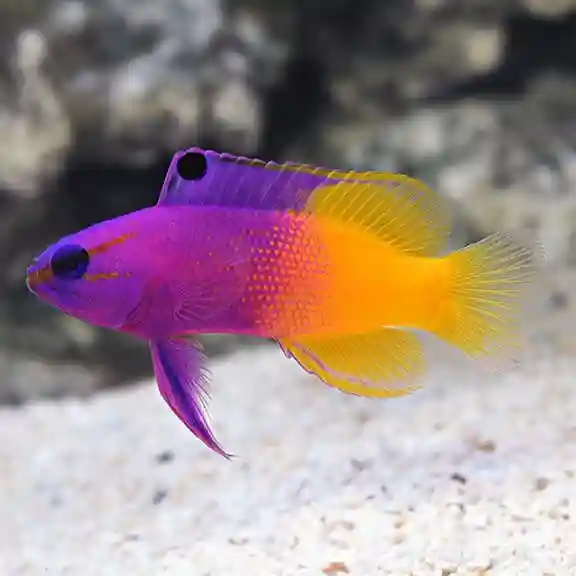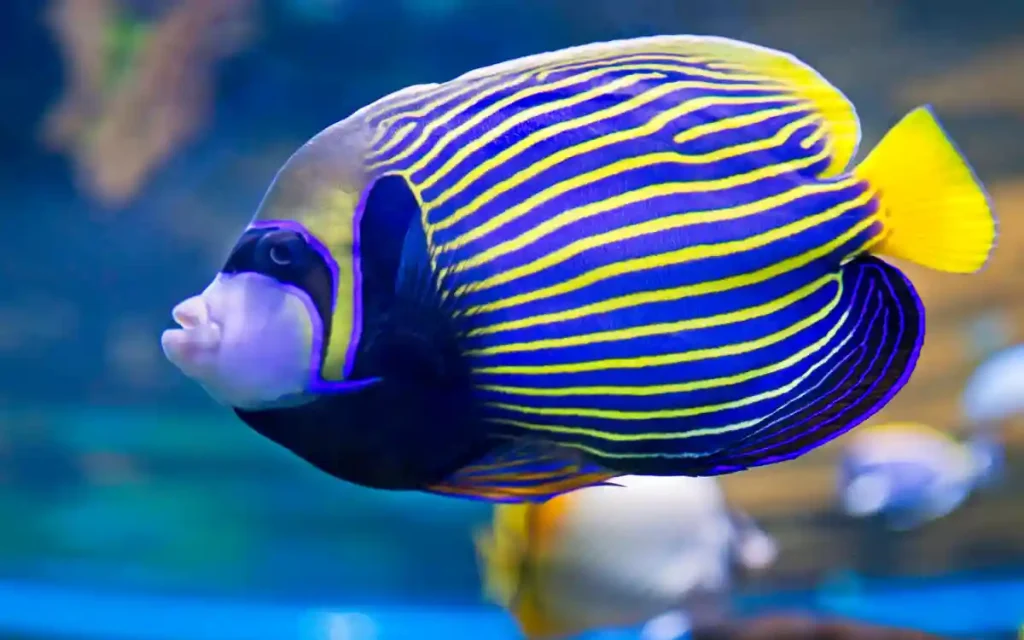
The Chalk Bass (Serranus tortugarum) is a small, colorful fish that has won the hearts of marine aquarium enthusiasts. Its soft lavender and pale blue hues, combined with a hardy nature and peaceful temperament, make it a fantastic addition to reef tanks. In this guide, we’ll cover everything you need to know about Chalk Bass care, from the best tank setup and diet to tank mates, group behavior, and breeding possibilities.
What Is a Chalk Bass?
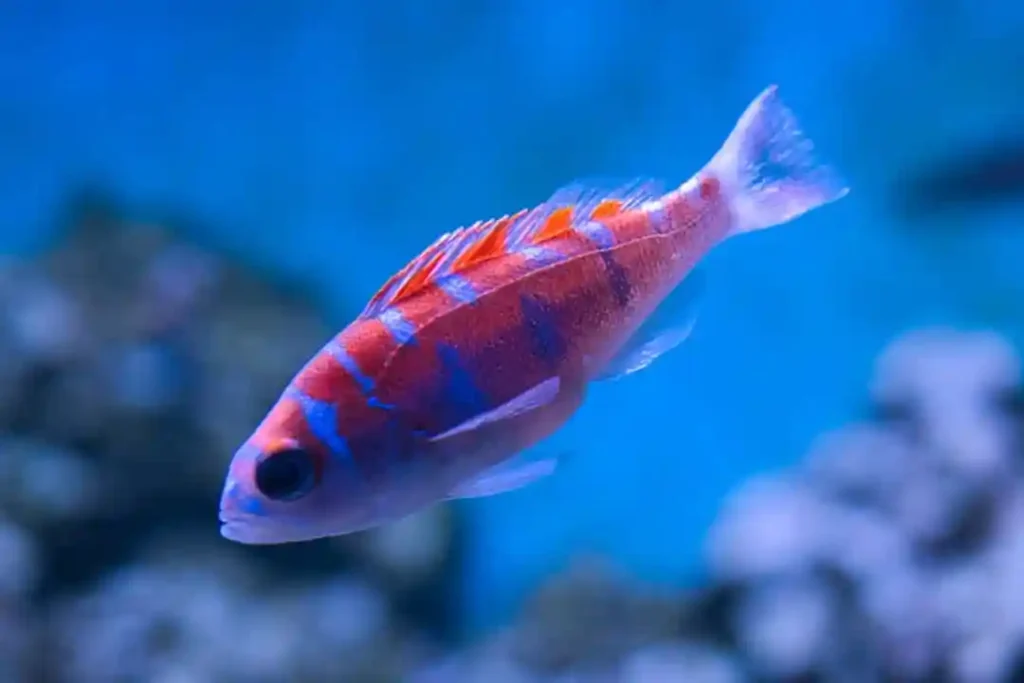
The Chalk Bass hails from the Caribbean Sea and surrounding waters of the Western Atlantic. Growing up to three inches in length, this species features a slender body with subtle stripes and shimmering pastel coloration. Known for its easygoing personality, the Chalk Bass fits perfectly in peaceful marine community tanks. It is reef safe and generally leaves corals and invertebrates alone, provided it is well fed.
Quick Facts
| Feature | Details |
|---|---|
| Scientific Name | Serranus tortugarum |
| Adult Size | Up to 3 inches |
| Lifespan | 4–5 years |
| Temperament | Peaceful |
| Reef Safe | Yes |
| Minimum Tank Size | 30 gallons (50+ for groups) |
| Temperature Range | 72–78°F |
| Salinity | 1.020–1.025 SG |
| pH Range | 8.1–8.4 |
| Tank Region | Middle to bottom |
Tank Setup
Creating the right environment is key to Chalk Bass care. These fish are shy at times and appreciate plenty of rockwork, caves, and crevices to hide in when they feel threatened. A tank with open swimming areas combined with secure retreats helps them feel safe and confident. Even though they’re not known for jumping often, it’s wise to keep a lid on your tank. A startled Chalk Bass may leap unexpectedly.
Good filtration, stable parameters, and regular maintenance are essential. For aquascaping inspiration, visit our Aquascaping for Beginners guide.
Diet and Feeding
Chalk Bass are carnivores with a preference for meaty marine foods. Offer them a varied diet that includes frozen mysis shrimp, enriched brine shrimp, finely chopped seafood, and high-protein marine pellets. Feeding small portions twice a day helps mimic their natural feeding patterns and keeps their energy up. They will eagerly hunt for small critters in the tank if underfed, so it’s important to provide enough food to satisfy their appetite.
For more on algae control and bottom dwellers, check our Algae Eater Guide.
Tank Mates
Chalk Bass are peaceful and do well with other gentle marine species. They’re ideal companions for clownfish, tangs, gobies, blennies, and smaller wrasses. When introducing multiple Chalk Bass, it’s best to add them all at once so they can establish territories without tension.
While they’re generally reef safe, very small shrimp or tiny invertebrates could be seen as prey if the fish are hungry or if space is tight. Avoid pairing them with aggressive species that may outcompete them for food or cause stress.
Want more ideas? Visit our Community Fish Guide.
Health and Care Challenges
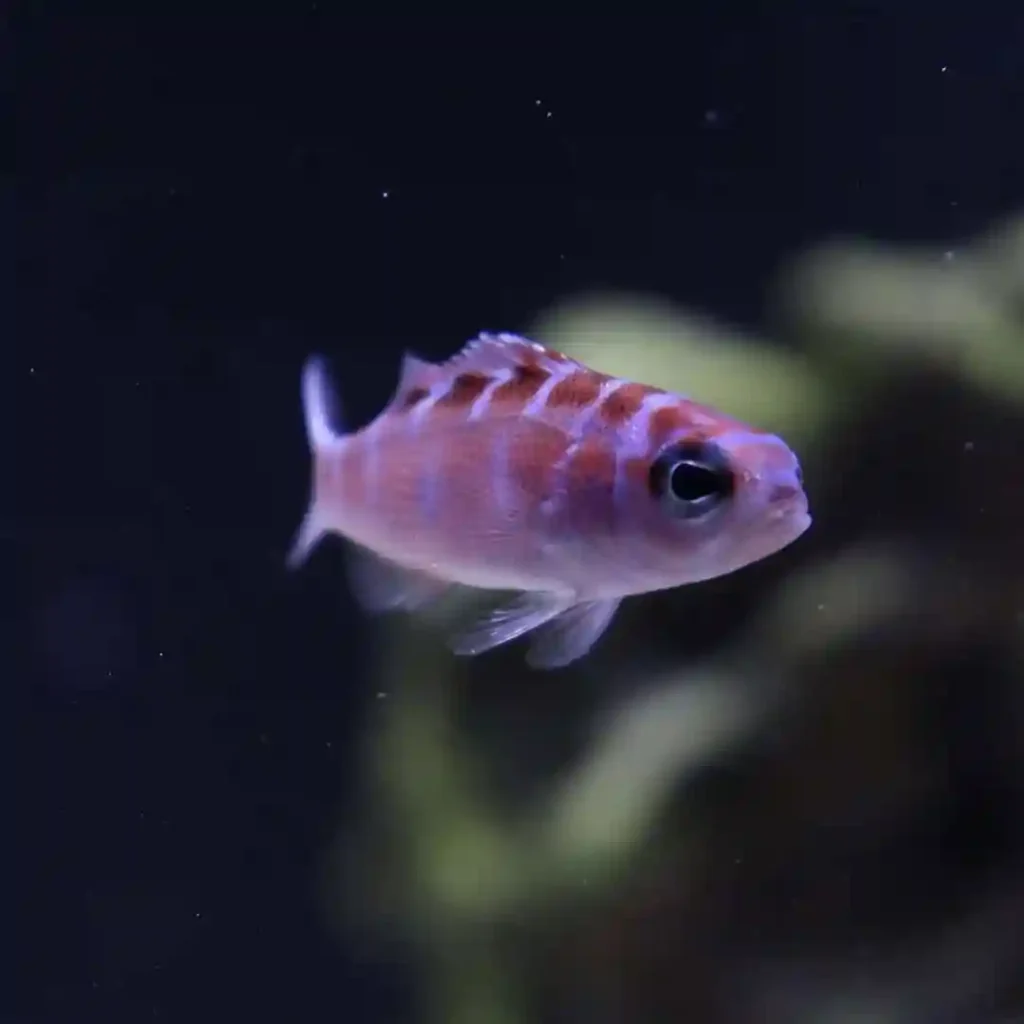
These fish are hardy but can develop common marine diseases like ich or velvet if water quality declines. The best prevention is maintaining stable water conditions and quarantining new tank additions. Ensure there are enough hiding spots to reduce stress, and monitor for signs of illness, such as loss of appetite, faded coloration, or scratching against rockwork.
If you notice these issues, review our Freshwater Fish Diseases article for prevention tips that also apply to saltwater species.
Breeding Chalk Bass
Breeding Chalk Bass in home aquariums is very rare. They are hermaphrodites and can change sex, which in theory makes pairing easier, but successful spawning typically requires very large, specialized tanks and careful environmental controls. Most Chalk Bass in the trade are wild-caught or occasionally captive-bred by advanced aquarists.
For breeding tank setup tips, see How to Breed Cherry Shrimp, which shares similar conditioning ideas.
FAQs
Are Chalk Bass reef safe?
Yes, Chalk Bass are considered reef safe. They usually leave corals and most invertebrates alone, especially if they’re well fed and have enough space.
Can I keep more than one Chalk Bass together?
You can keep a small group of Chalk Bass if you have a large enough tank, ideally 50 gallons or more. It’s best to add them at the same time so they can settle in without territorial disputes.
Do Chalk Bass need a tank lid?
It’s a good idea to use a lid. While they aren’t known for jumping all the time, they can leap if startled, so having a secure lid prevents accidents.
What do Chalk Bass eat?
They enjoy a varied diet of frozen mysis shrimp, brine shrimp, chopped seafood, and high-protein marine pellets. Feeding small amounts twice a day helps keep them healthy and active.
How big do Chalk Bass get?
Chalk Bass typically grow to about three inches long when fully mature.
How long do Chalk Bass live?
With good care, Chalk Bass can live around four to five years in a home aquarium.
Final Thoughts
The Chalk Bass is an excellent choice for both beginner and experienced marine hobbyists. Its peaceful nature, low maintenance needs, and adaptability make it a joy to keep. With the right tank setup, a balanced diet, and a calm environment, your Chalk Bass will thrive and bring subtle beauty to your reef tank.
Looking for more saltwater species? Check out: