Cherry Barbs are one of the most peaceful freshwater fish you can keep. They stay small, show bright red coloration (especially males), and rarely bully tank mates. But choosing the right companions still matters.
If you mix them with aggressive fish or large species, they will hide constantly and lose color. If you overcrowd the tank, they become stressed.
This guide explains which tank mates actually work, why they work, and what to avoid.
What Cherry Barbs Need in a Community Tank
Before choosing tank mates, understand their behavior:
- Adult size: 2 inches
- Temperament: Peaceful, shy in small groups
- Tank level: Mid to lower
- Ideal temperature: 72–79°F
- Group size: Minimum 6 (8+ better)
Cherry Barbs feel safest in planted tanks with gentle flow. When stressed, they fade in color and hide.
If you haven’t read full care details, link readers to your Cherry Barb Care Guide on OceanBitez.
15 Best Cherry Barb Tank Mates (Detailed List)
01.Harlequin Rasboras
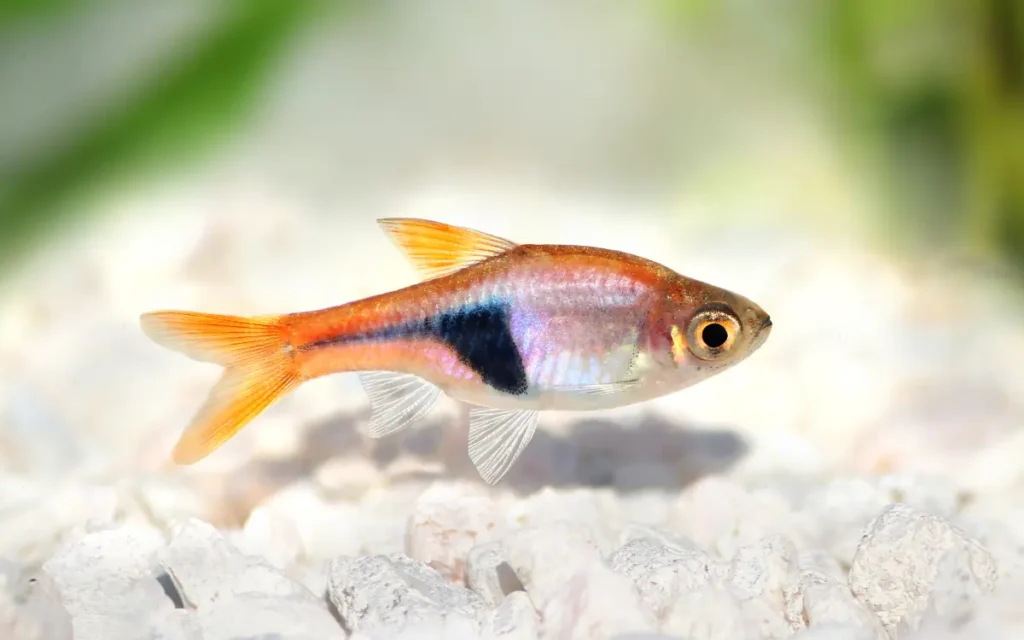
Harlequin Rasboras rank among the safest and most reliable tank mates for Cherry Barbs. Both species share similar temperaments, water parameters, and swimming zones, which reduces stress and territorial conflict.
Harlequin Rasboras grow to about 1.5–2 inches. They stay in the middle section of the aquarium and prefer to swim in groups of at least six. When you keep them in proper numbers, they focus on schooling behavior instead of interacting with other fish.
Cherry Barbs typically swim mid-to-lower level but rarely act aggressively. Since neither species nips fins or guards territory, they coexist peacefully in planted tanks.
Why this pairing works:
- Similar adult size
- Peaceful temperament
- Both prefer 72–80°F water
- Both enjoy planted aquariums
- Neither species dominates the other
Tank recommendation: Minimum 20 gallons, heavily planted, open midwater swimming space.
Risk level: Low
This pairing works especially well in community tanks designed around calm schooling fish.
02. Neon Tetras
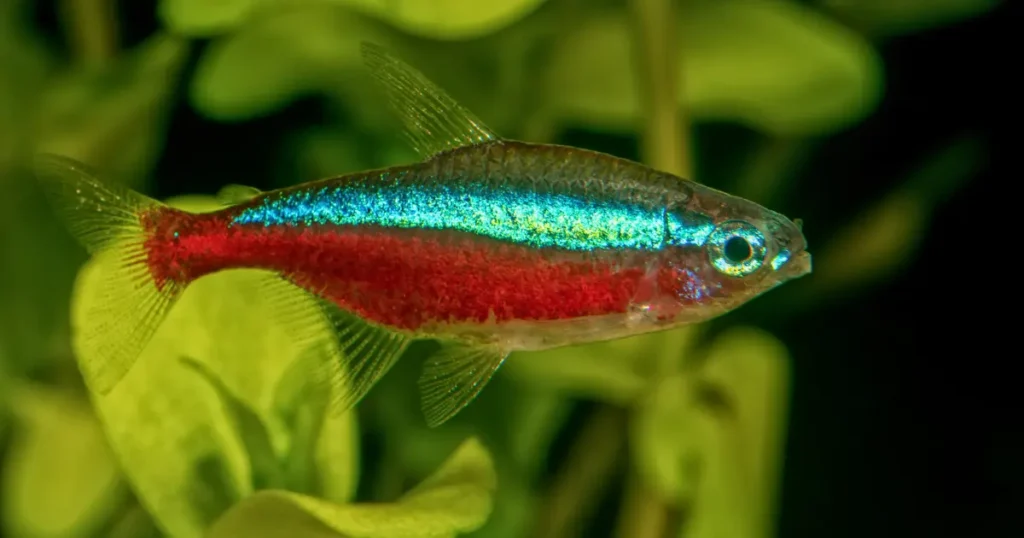
Neon Tetras grow to about 1.5 inches and stay in the middle water column. They school tightly and ignore other species.
Since they remain peaceful and small, they do not intimidate Cherry Barbs. Both species prefer similar temperature and soft-to-neutral water.
Why they work:
- Small size
- Calm schooling behavior
- No fin nipping
- Similar water conditions
Tank size: 20+ gallons
Risk level: Low
03. Ember Tetras
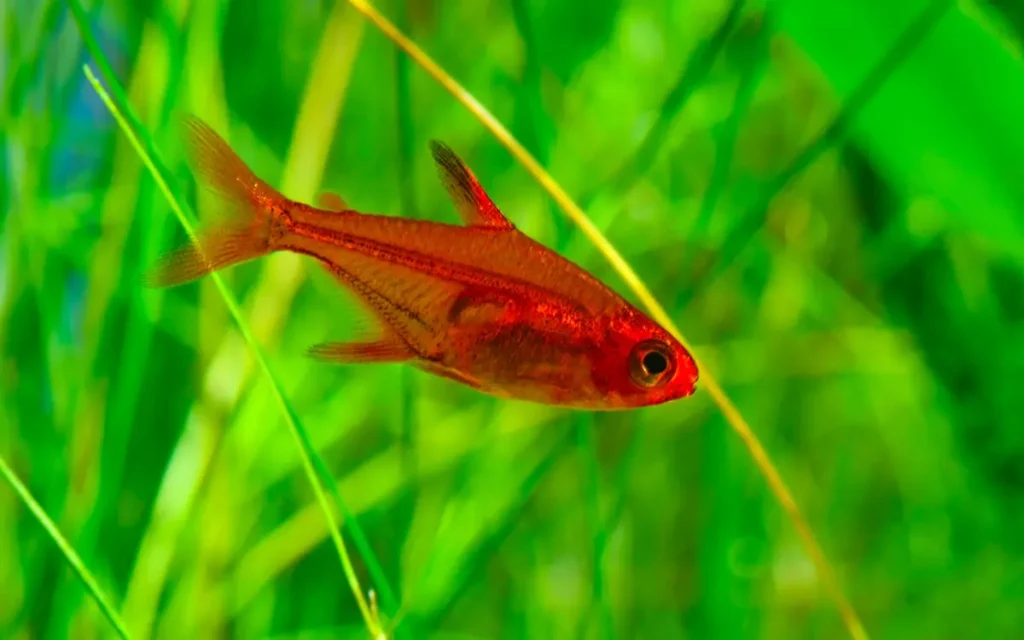
Ember Tetras are one of the safest and most natural-looking tank mates for Cherry Barbs. Their small size, calm behavior, and midwater swimming pattern make them ideal for peaceful community aquariums.
Ember Tetras grow to about 0.8–1 inch as adults. Because they stay tiny, they never intimidate Cherry Barbs. Instead, they move gently through the middle of the tank in tight schools.
When you keep them in groups of at least 8–10, they feel secure and display brighter orange coloration. A larger group also spreads their attention within the school instead of toward other species.
Why This Pairing Works
- Both species are peaceful
- Similar temperature range (72–80°F)
- Both prefer planted tanks
- Neither species nips fins
- Both stay active in midwater
Cherry Barbs swim slightly lower, while Ember Tetras stay a bit higher in the water column. That natural separation reduces interaction and stress.
Tank Setup Tips
- Minimum 20 gallons for mixed schools
- Dense plants (Java moss, Anubias, stem plants)
- Dark substrate enhances color
- Gentle filtration with mild flow
Since Ember Tetras are small, avoid housing them with larger aggressive fish. But with Cherry Barbs, they blend into a calm, colorful community.
Tank Size Recommendation: 20+ gallons
Minimum Group Size: 8–10
Compatibility Risk Level: Very Low
This combination works especially well in planted aquariums where you want layered color without aggression.
04.Corydoras Catfish
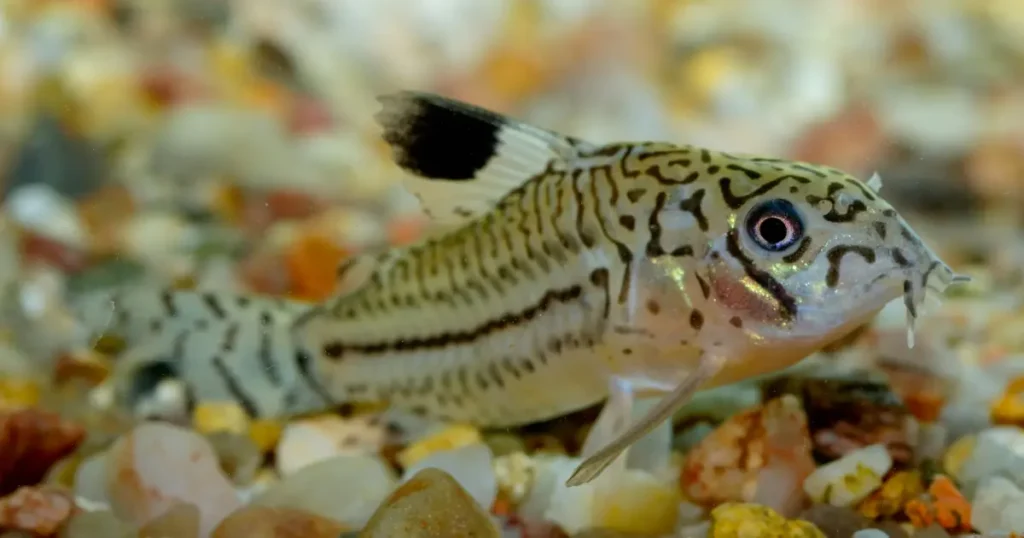
Corydoras Catfish make excellent bottom-dwelling companions for Cherry Barbs. They stay peaceful, social, and focused on scavenging rather than competing for territory.
Most Corydoras species grow between 2–3 inches. They live at the bottom of the tank and constantly sift through substrate for leftover food. Since Cherry Barbs swim mid-to-lower levels but rarely guard territory, the two species coexist without stress.
Keep Corydoras in groups of at least six. A proper school keeps them active and confident.
Why this pairing works:
- Different swimming zones
- No aggression from either species
- Similar temperature preference (72–79°F)
Important tip: Use sand substrate to protect their sensitive barbels.
Tank size: 20+ gallons
Risk level: Low
05.Honey Gourami
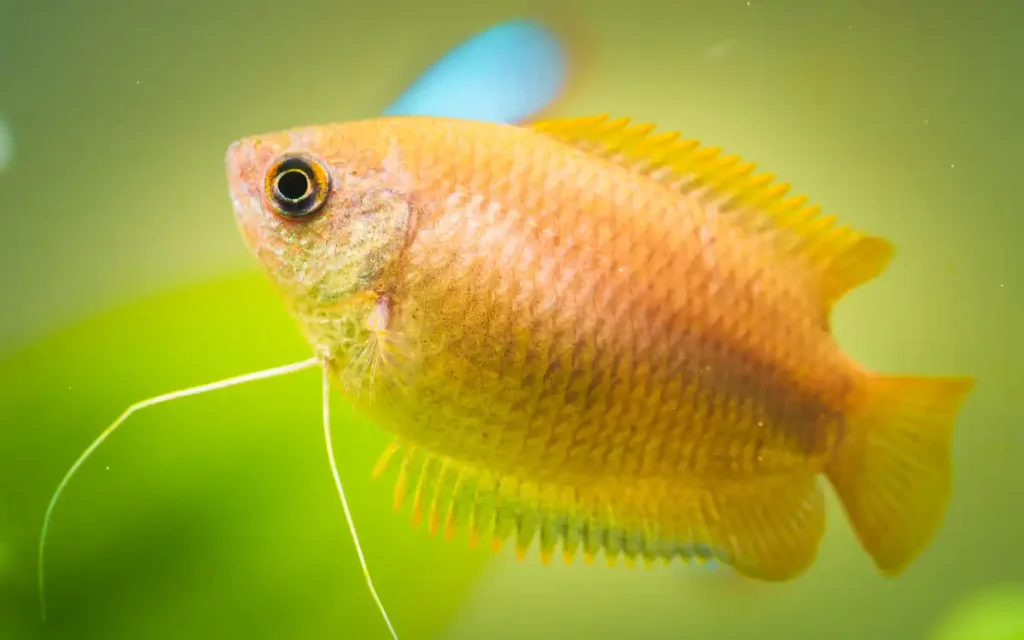
Honey Gouramis are one of the few gourami species that remain calm enough for Cherry Barbs. They stay gentle and occupy upper tank levels.
They grow to about 2 inches and prefer planted aquariums with calm water flow. Unlike larger gouramis, Honey Gouramis rarely chase or dominate smaller fish.
Cherry Barbs remain confident around them because Honey Gouramis do not show fin-nipping behavior.
Why this pairing works:
- Peaceful temperament
- Upper-level swimming
- Similar water parameters
Avoid keeping multiple males in small tanks.
Tank size: 20–30 gallons
Risk level: Low to Moderate (depends on individual temperament)
06.Zebra Danios
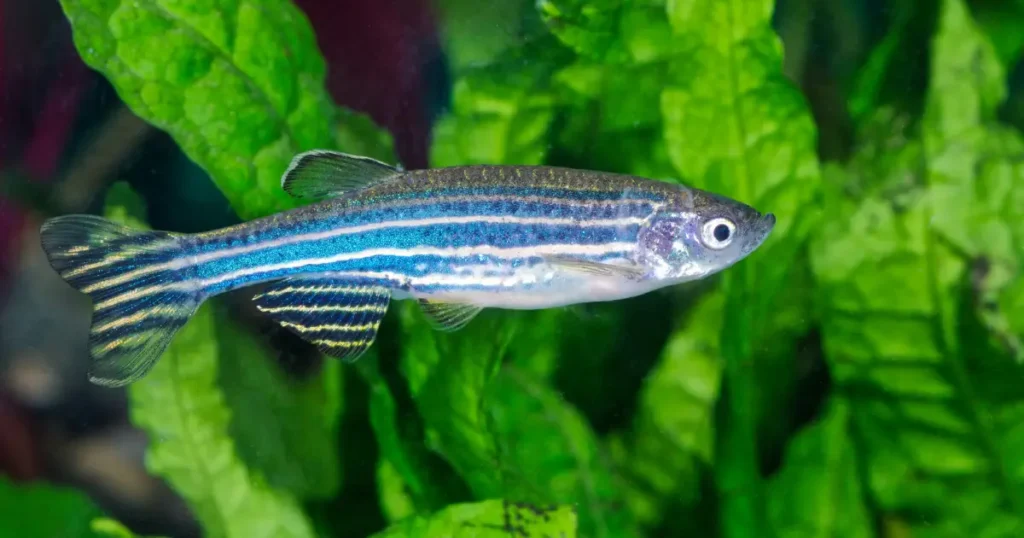
Zebra Danios add speed and activity to a Cherry Barb tank. They grow to about 2 inches and stay near the top.
Their constant movement prevents territorial issues. Cherry Barbs ignore them because they rarely share space.
However, Zebra Danios prefer slightly cooler temperatures. Keep the tank around 74–76°F for overlap comfort.
Why this pairing works:
- Fast swimmers
- Non-aggressive
- Different swimming zones
Tank size: 20+ gallons
Risk level: Low
07.Glowlight Tetras
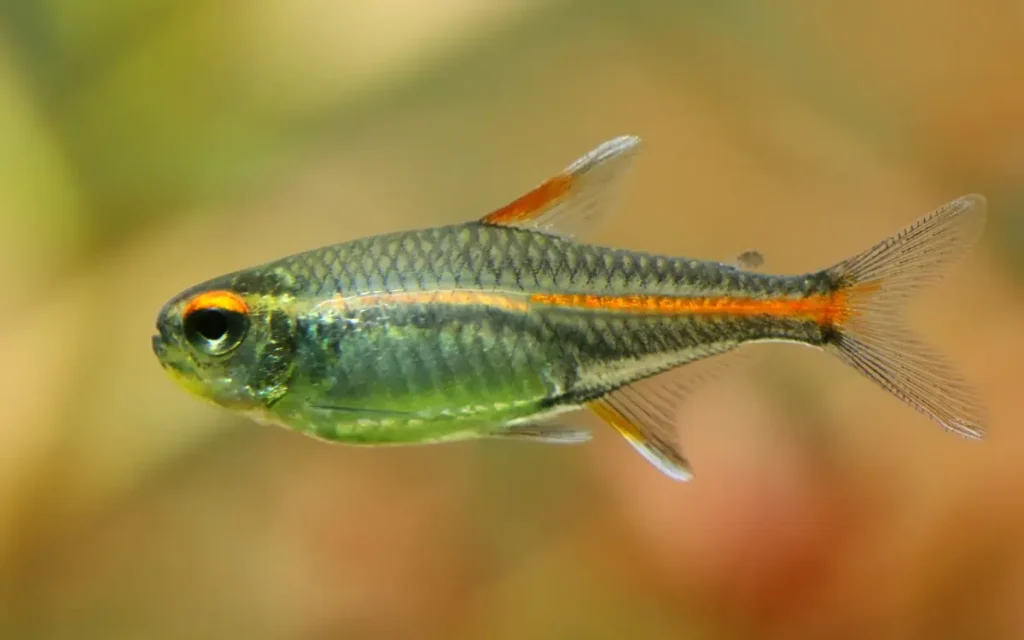
Glowlight Tetras stay small and peaceful. Their subtle orange stripe pairs visually with Cherry Barbs without creating competition.
They grow to around 1.5 inches and prefer to school in groups of six or more. They remain midwater swimmers and rarely disturb tank mates.
Both species prefer soft to neutral water and moderate plant cover.
Why this pairing works:
- Similar adult size
- Peaceful schooling behavior
- Compatible temperature range
Tank size: 20+ gallons
Risk level: Low
08.Rummy Nose Tetras
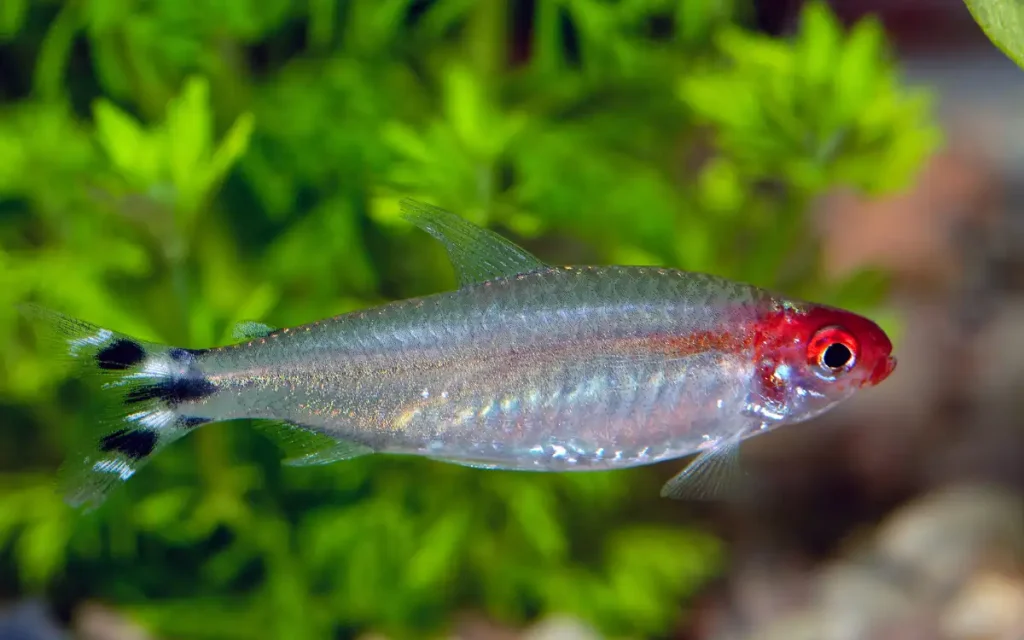
Rummy Nose Tetras stay peaceful and form tight schools. They grow to about 2 inches and swim actively in the midwater column.
They demand stable water quality, so they work best in mature aquariums.
Cherry Barbs do not compete with them because neither species guards territory.
Why this pairing works:
- Calm temperament
- Tight schooling behavior
- No fin nipping
Tank size: 20–30 gallons
Risk level: Low (in stable tanks)
09.White Cloud Mountain Minnows
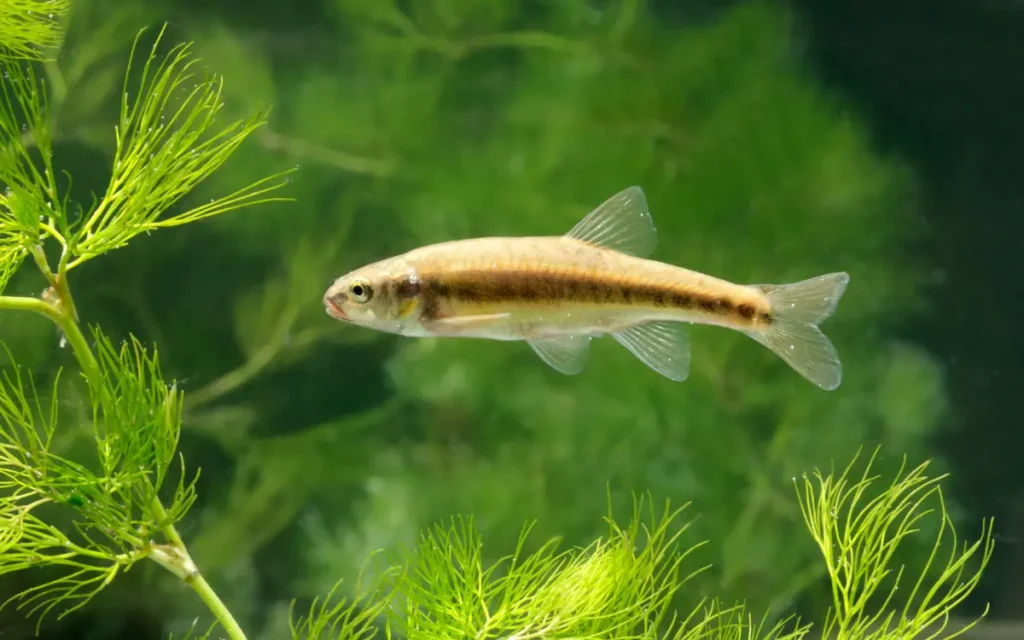
White Cloud Mountain Minnows remain hardy and peaceful. They grow to about 1.5 inches and swim near the top.
They prefer slightly cooler water than Cherry Barbs. Keep the temperature mid-range (around 72–74°F) for compatibility.
They do not show aggression or dominance.
Why this pairing works:
- Calm schooling fish
- Top-level swimmers
- Hardy and adaptable
Tank size: 20 gallons
Risk level: Low (if temperature overlaps)
10.Platies
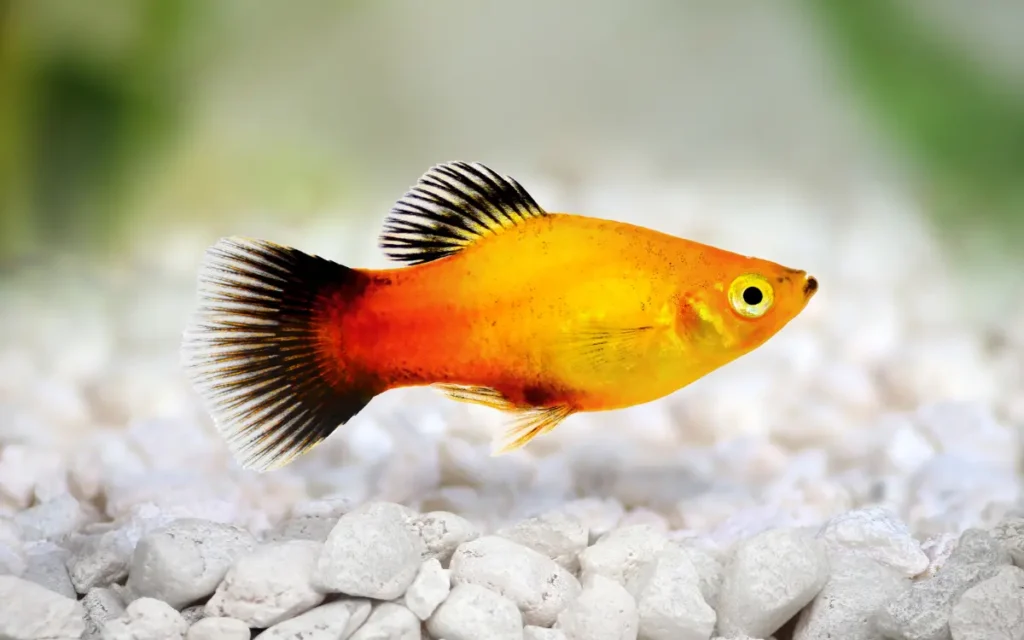
Platies are hardy livebearers that grow to about 2–2.5 inches. They remain peaceful and adapt easily to community setups.
They swim mid-to-upper level and do not intimidate Cherry Barbs. However, they reproduce quickly, which can lead to overcrowding.
Why this pairing works:
- Peaceful nature
- Similar water parameters
- Active but non-aggressive
Control population by managing male-to-female ratios.
Tank size: 20+ gallons
Risk level: Low
11.Swordtails
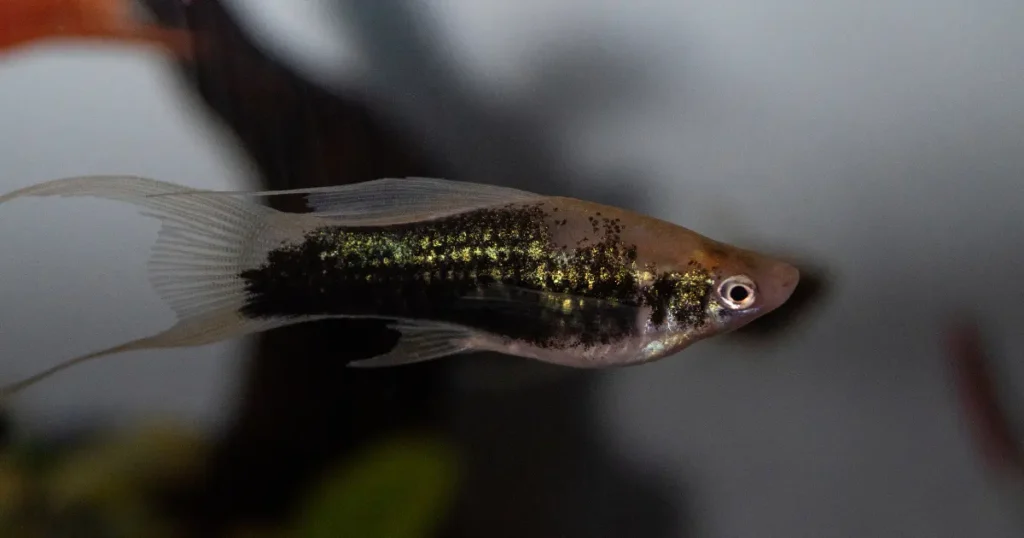
Swordtails grow larger than Cherry Barbs, reaching 4–5 inches. They stay active in upper levels and rarely show aggression toward smaller fish.
Provide enough swimming space because Swordtails move constantly.
Avoid aggressive males in smaller tanks.
Why this pairing works:
- Upper-level swimmers
- Generally peaceful
- Compatible temperature
Tank size: 30+ gallons
Risk level: Moderate in smaller tanks
12.Otocinclus
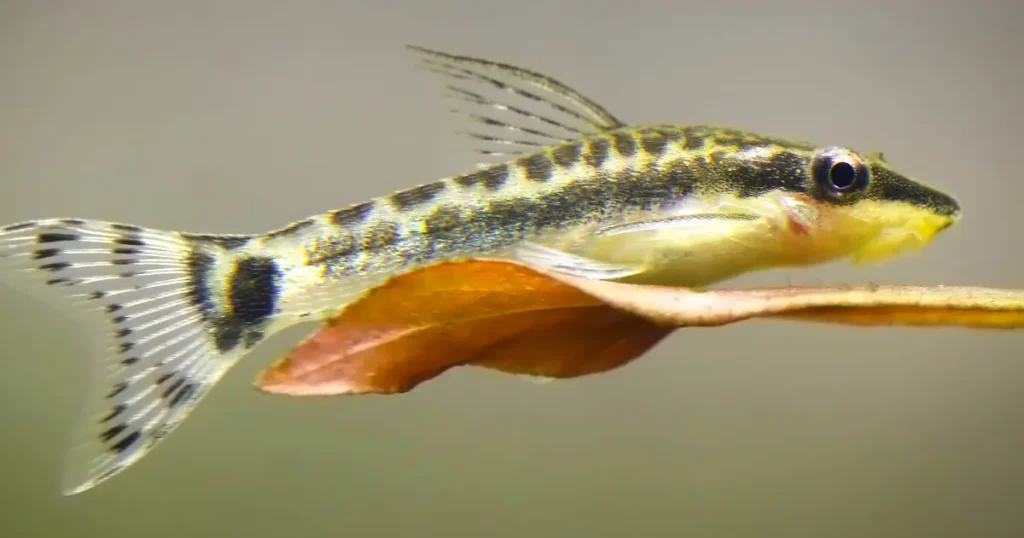
Otocinclus are small algae-eating catfish that grow to about 1.5 inches. They remain shy and focus entirely on algae and biofilm.
They do not compete for food or territory.
Keep them in groups of at least six and only introduce them into established tanks with stable parameters.
Why this pairing works:
- Extremely peaceful
- Bottom-focused algae eaters
- No aggression
Tank size: 20+ gallons
Risk level: Very Low
13.Bristlenose Pleco
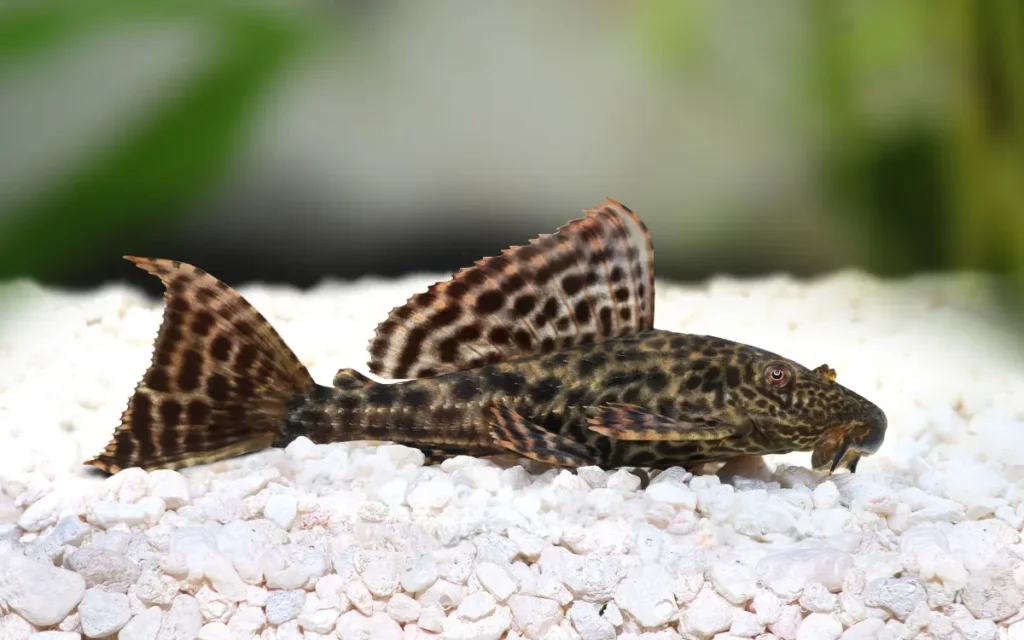
Bristlenose Plecos grow to about 4–5 inches but stay manageable compared to common plecos.
They stay at the bottom and attach to driftwood and glass surfaces. They do not bother midwater fish.
Provide driftwood and hiding caves to prevent territorial stress.
Why this pairing works:
- Bottom algae eater
- No interest in schooling fish
- Compatible water range
Tank size: 25+ gallons
Risk level: Low
14.Kuhli Loaches
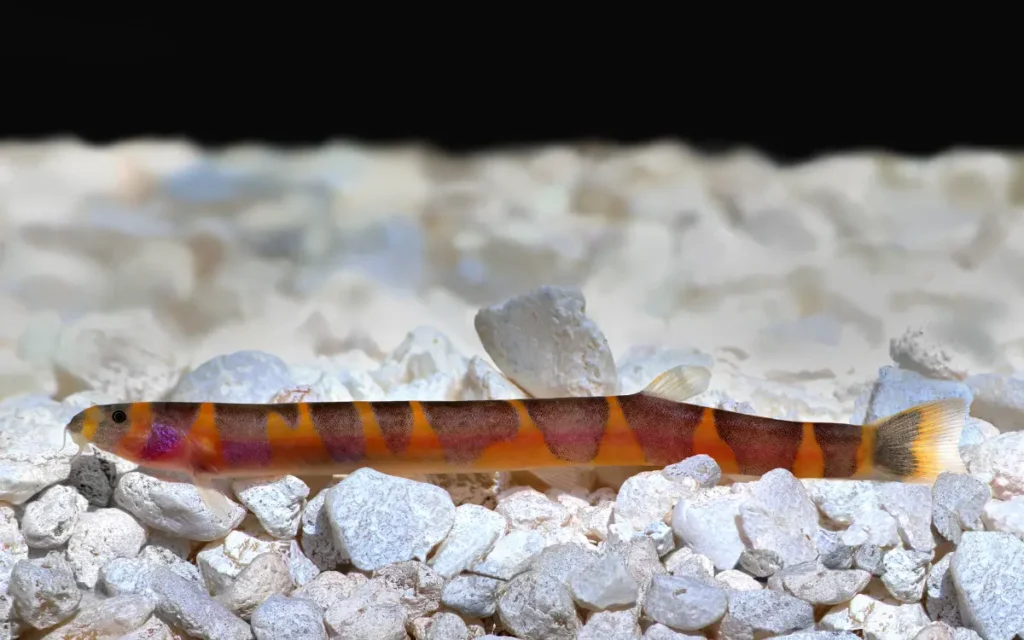
Kuhli Loaches grow to about 3–4 inches but stay thin and eel-like. They hide during the day and explore at night.
They require soft substrate and plenty of hiding spots.
Cherry Barbs ignore them because they rarely interact.
Why this pairing works:
- Bottom-dwelling behavior
- Peaceful temperament
- No competition for midwater space
Tank size: 20+ gallons
Risk level: Low
15.Celestial Pearl Danios
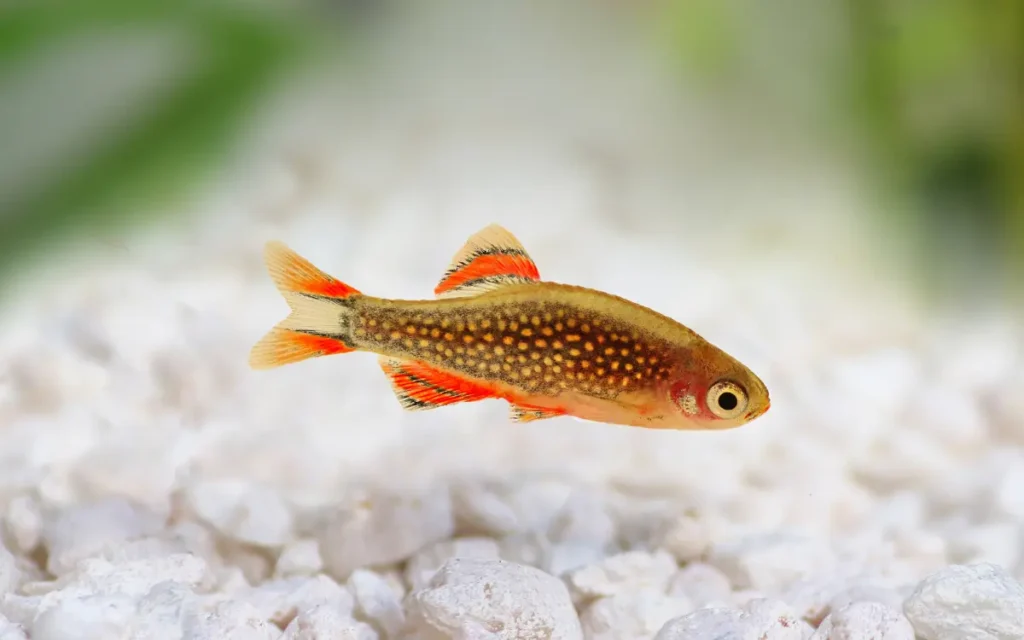
Celestial Pearl Danios stay tiny, around 1 inch. They remain peaceful and slightly shy.
They prefer planted aquariums and stay midwater. When kept in groups of 8–10, they display better coloration and confidence.
They coexist smoothly with Cherry Barbs due to similar size and calm behavior.
Why this pairing works:
- Very small and peaceful
- Planted tank preference
- No fin nipping
Tank size: 20 gallons
Risk level: Very Low
Tank Mates to Avoid With Cherry Barbs
Do not mix them with:
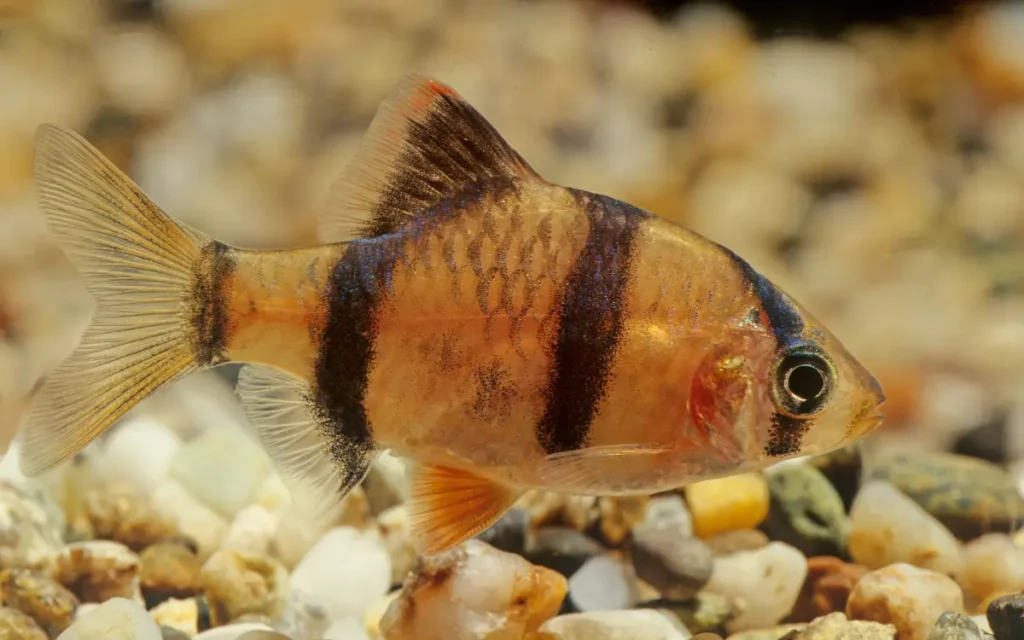
- Tiger Barbs (fin nippers)
- Large cichlids
- Red Tail Sharks
- Aggressive gouramis
- Oscar fish
- Any fish over 5 inches
Cherry Barbs lose confidence quickly in aggressive environments.