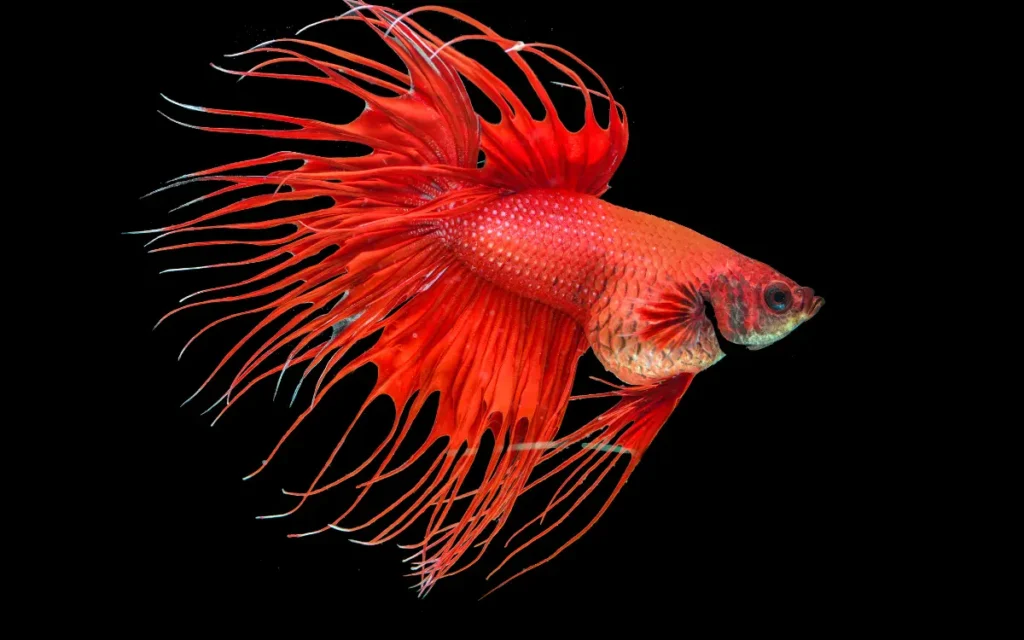
Gourami fish are popular freshwater aquarium fish known for their calm swimming style, unique body shape, and ability to thrive in planted community tanks. While many gourami species are beginner-friendly, others require stable water conditions, larger tank sizes, and careful tank mate selection. Because different gourami types behave very differently, choosing the wrong species is one of the most common mistakes aquarium keepers make.
Not all gouramis are peaceful, and not all gouramis belong in small tanks. Some species remain small and do well in community aquariums, while others grow large, become territorial, or need more space than beginners expect. Tank size, plant cover, and group structure play a major role in long-term gourami health and behavior.
This page is a complete overview of gourami fish care, designed to help you choose the right gourami species for your aquarium. Below, you’ll find beginner-friendly gouramis, tank size guidance, behavior and compatibility notes, and direct links to detailed care guides for each type. If you’re still deciding between different freshwater fish, you may also want to explore our main freshwater fish guide or learn how gouramis behave in community aquariums before setting up your tank.
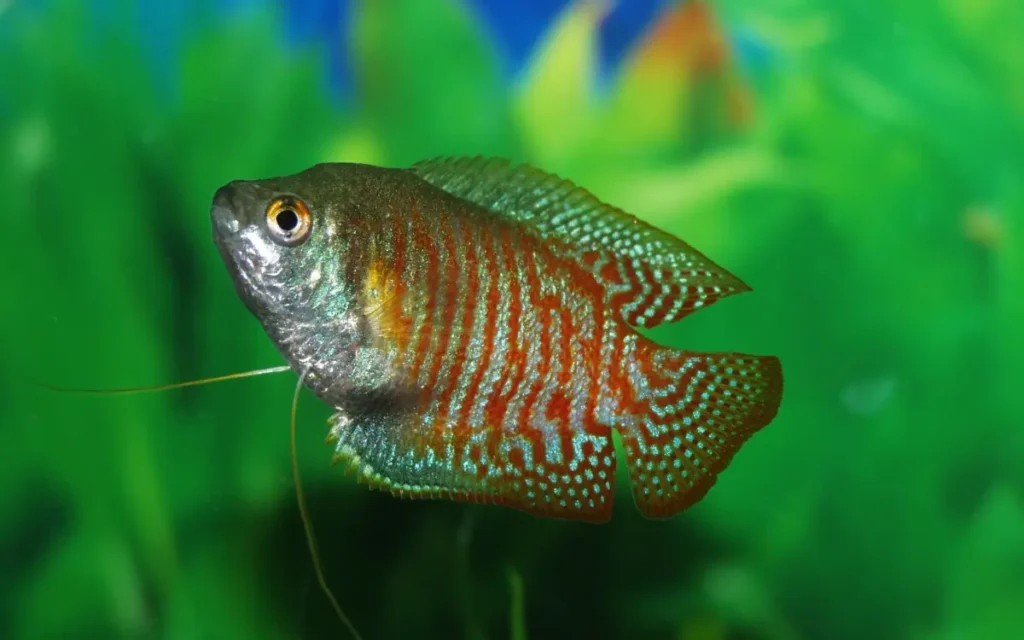
Are Gourami Fish Beginner-Friendly?
Some gourami species are well-suited for beginners, while others are better kept by experienced aquarists. Beginner-friendly gouramis tend to be smaller, calmer, and more adaptable to minor water changes. These fish usually do best in planted tanks with gentle filtration and peaceful tank mates.
Good beginner choices include honey gouramis, dwarf gouramis, and pearl gouramis when kept in appropriately sized tanks. These species are widely available and tolerate community tank conditions better than more sensitive gouramis.
However, not all gouramis are beginner-safe. Species such as chocolate gouramis and giant gouramis require specific water conditions or grow far too large for most home aquariums. Understanding these differences early prevents stress, aggression, and long-term health problems.
Helpful guides:
Gourami Tank Size Requirements
Tank size is one of the most important factors in gourami care. While some gouramis stay small, many need extra space to establish territory and reduce stress. Keeping gouramis in tanks that are too small often leads to aggression, poor health, and shortened lifespans.
Smaller gourami species can live in modest aquariums when planted and properly filtered, but medium and large species require significantly more room. Overcrowding is a common reason gouramis are mislabeled as aggressive.
Small Gourami Species (Nano to Small Tanks)
Small gouramis are suitable for planted aquariums where swimming space and cover are balanced. These species still need stable water quality and should not be overcrowded.
See Guide: Sparkling gourami
Related setup guidance:
Medium to Large Gourami Species
Larger gourami species require more swimming room and are best kept in spacious aquariums. These fish often become territorial in small tanks and should be kept with compatible tank mates.
Examples include:
- Moonlight gourami
- Blue gourami
- Snakeskin gourami
- Giant gourami (advanced care)
If you are new to aquariums, larger gouramis may not be the best starting point.
Gourami Behavior and Temperament
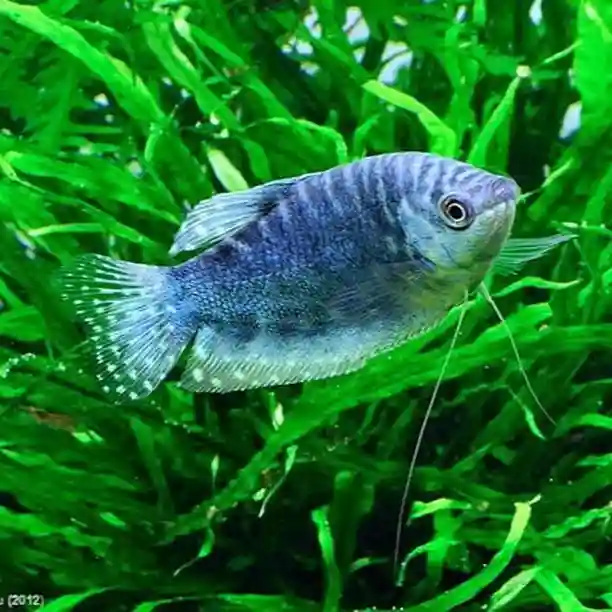
Gourami temperament varies widely by species, sex, and tank setup. Male gouramis are often more territorial, especially in smaller tanks or during breeding periods. Inadequate space and lack of plant cover can make even peaceful species appear aggressive.
Compared to other freshwater fish, gouramis are semi-territorial rather than fully aggressive. Their behavior improves significantly in planted tanks with visual barriers.
Behavior comparison resources:
Gourami Fish in Planted Aquariums
Most gourami species thrive in planted aquariums. Plants provide hiding places, reduce stress, and soften lighting, all of which improve gourami behavior. Floating plants are especially beneficial, as many gouramis naturally inhabit slow-moving, shaded waters.
Planted tanks also help maintain water quality and create a more natural environment. Gouramis generally avoid uprooting plants, making them suitable for low-tech planted setups.
Useful planted tank resources:
Types of Gourami Fish (Care Guides)
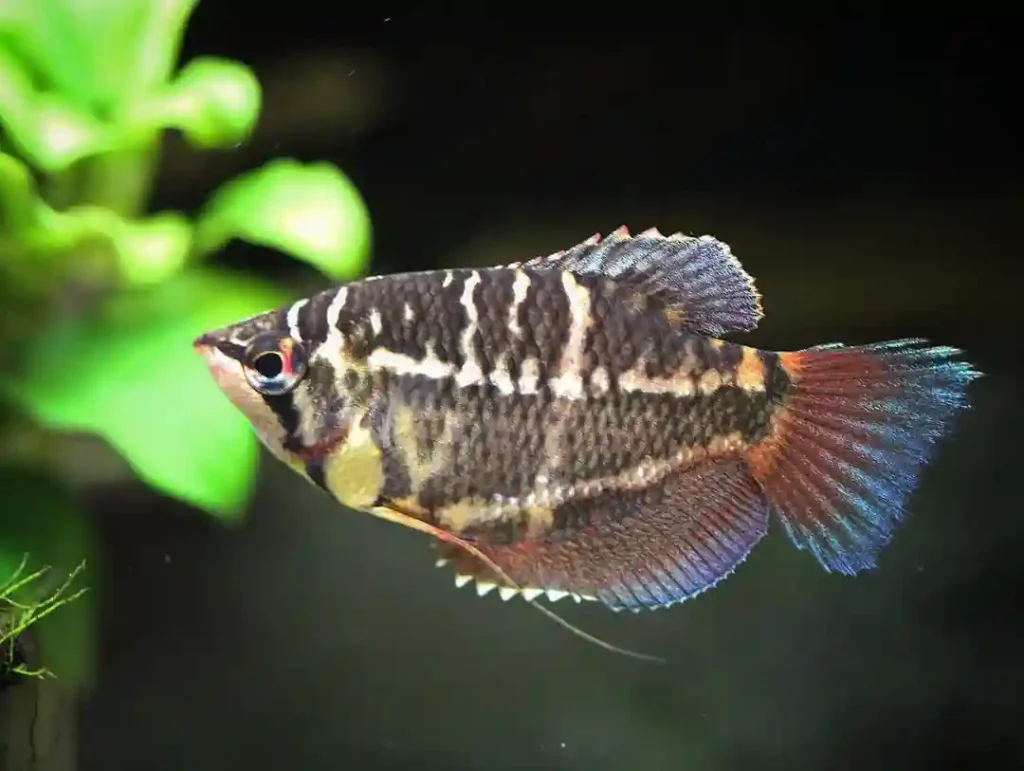
There are many gourami species available in the aquarium trade. Each has different size, temperament, and care requirements. Below are links to detailed guides for individual gourami types.
Popular gourami species:
- Honey gourami
- Dwarf gourami
- Pearl gourami
- Moonlight gourami
- Chocolate gourami
- Sparkling gourami
- Blue gourami
- Snakeskin gourami
- Kissing gourami
- Giant gourami
- Thick-lipped gourami
Each linked guide covers species-specific tank size, diet, behavior, and compatibility.
Gourami Tank Mates and Compatibility
Gouramis do best with peaceful fish that share similar water requirements. Tank mates should be calm, non-aggressive, and not prone to fin nipping. Overcrowded tanks increase stress and territorial behavior.
Good compatibility planning focuses on tank size, layout, and swimming zones rather than just fish size.
Related compatibility guides:
Common Gourami Care Mistakes
Many gourami problems stem from avoidable mistakes. The most common issues include keeping gouramis in tanks that are too small, mixing incompatible species, and neglecting plant cover. Poor water stability and rushed setups also contribute to health problems.
Avoiding these mistakes early improves survival and long-term success.
Helpful resources:
Choosing the Right Gourami for Your Aquarium
Choosing the right gourami depends on your tank size, experience level, and setup style. Beginners should focus on smaller, peaceful species in planted tanks with stable water conditions. Larger or more sensitive gouramis are better suited to experienced keepers.
Before selecting a gourami, consider your aquarium size, tank mates, and long-term maintenance commitment.
 **2. Platy** Platies are hardy and easygoing. They enjoy swimming in groups and come in a variety of bright colors. Great for peaceful community tanks. ➡️ [Platy Fish Guide →](#) **3. Zebra Danio** Known for their energy and toughness, zebra danios are perfect for cycling new tanks. They tolerate a wide range of conditions and like to dart around in groups. ➡️ [Zebra Danio Guide →](#) **4. Corydoras Catfish** Peaceful bottom-dwellers that help keep your tank clean. Keep them in groups of 3 or more and give them soft substrate. ➡️ [Cory Catfish Care →](#) **5. Molly** Adaptable to various water conditions (even brackish), mollies are lively and great for community aquariums. ➡️ [Molly Fish Care Guide →](#) **6. Swordtail** Easy to care for and great in peaceful groups. Males have a signature sword-like tail and love swimming space. ➡️ [Swordtail Fish Guide →](#) **7. Betta Fish** Low-maintenance and visually stunning. Best kept alone or with very peaceful tank mates like snails or Corydoras. ➡️ [Full Betta Fish Care Guide →](#) **8. Neon Tetra** Small and peaceful, neon tetras love to school and light up a planted tank. Keep them in groups of 6 or more. ➡️ [Neon Tetra Care Guide →](https://oceanbitez.com/neon-tetras/) **9. Harlequin Rasbora** A calm and schooling species that fits right into community setups. Easy to feed and care for. ➡️ [Harlequin Rasbora Guide →](#) **10. Dwarf Gourami** A gentle and colorful addition to a beginner’s tank. Likes planted environments and peaceful neighbors. ➡️ [Dwarf Gourami Guide →](#) **11. White Cloud Mountain Minnow** Can live in cooler temperatures and is perfect for unheated tanks. Small, peaceful, and easy to care for. ➡️ [White Cloud Minnow Guide →](#) **12. Cherry Barb** Peaceful and social, cherry barbs do well in planted tanks and enjoy being in small groups. ➡️ [Cherry Barb Care →](#) --- ### Sample Beginner Tank Combos **Combo 1: 10–15 Gallon Easy Starter** * 4–6 Guppies * 3 Corydoras Catfish * 1 Nerite Snail **Combo 2: 20 Gallon Planted Community** * 6 Harlequin Rasboras * 6 Neon Tetras * 1 Dwarf Gourami * 3 Otocinclus (optional if algae control is needed) --- ### Beginner Tips for a Successful Aquarium * Cycle your tank before adding fish (ammonia → nitrite → nitrate) * Start with hardy species before delicate ones * Feed small amounts once or twice daily * Do weekly partial water changes (20–30%) * Don’t mix aggressive or fin-nipping species * Use a heater for tropical fish (75–80°F) --- ### Final Thoughts These beginner fish are ideal for getting started in the hobby without frustration. They're low-maintenance, compatible, and fun to watch. Once you’re comfortable, you can explore more advanced species and community combinations. ➡️ Check out our full guide to [Freshwater Aquarium Fish →](https://oceanbitez.com/freshwater-fish/)](https://oceanbitez.com/wp-content/uploads/2024/06/Best-Freshwater-Fish-for-Your-Aquarium-1024x640.webp)