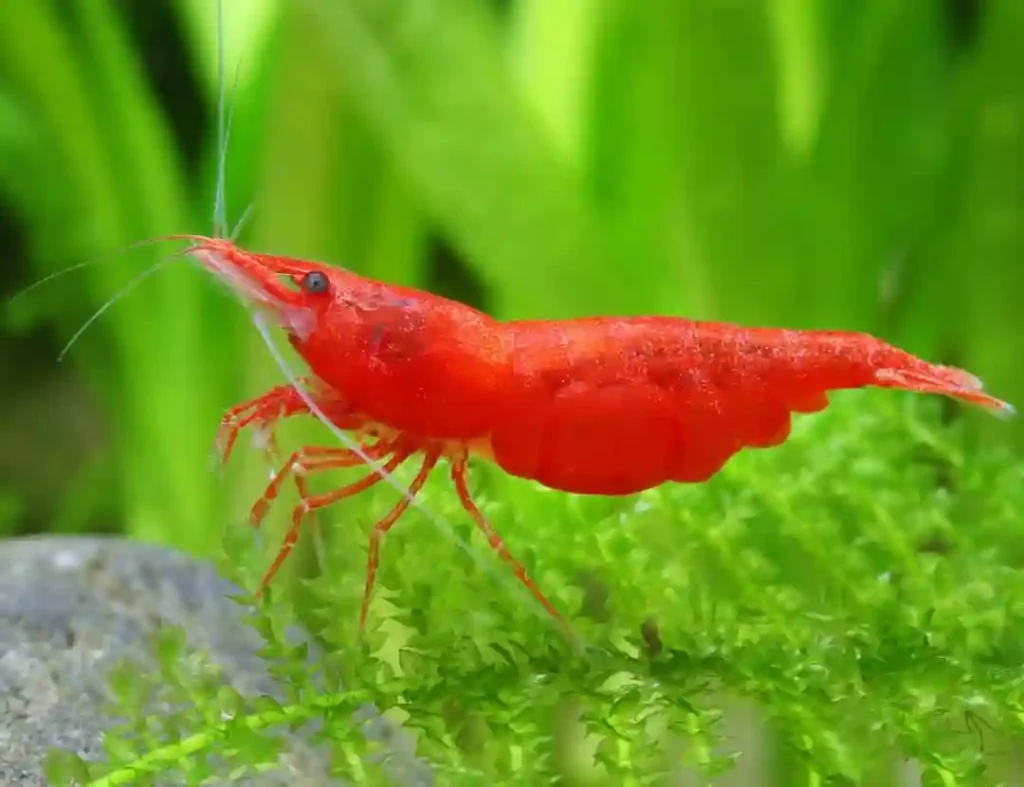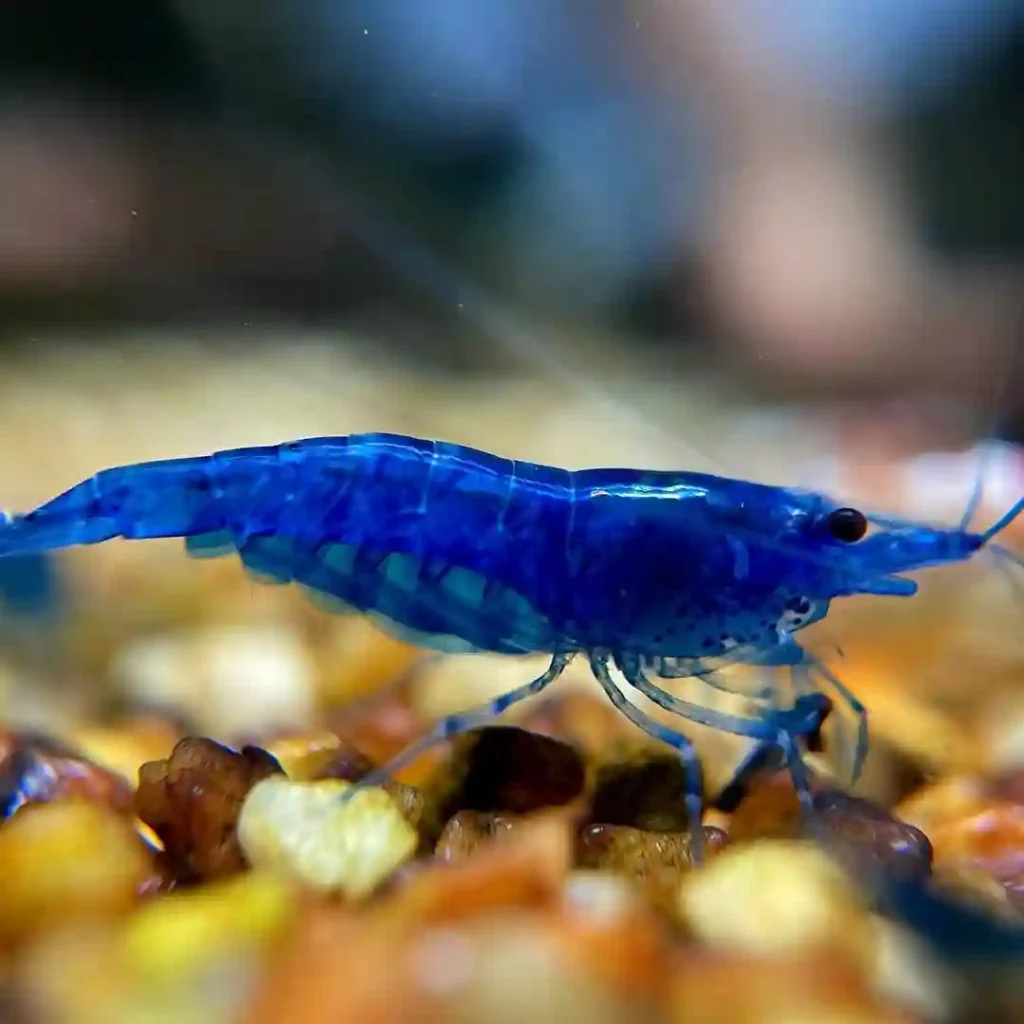
A low-tech planted shrimp tank is one of the easiest and most stable aquarium setups you can build. It does not require CO₂ injection, advanced equipment, or constant adjustments. For beginners and long-term shrimp keepers, this type of tank offers stable water conditions, natural food sources, and far fewer problems compared to high-tech planted tanks.
This guide explains how to set up and maintain a low-tech planted tank for shrimp without CO₂, what plants and substrates work best, and how to avoid common mistakes that lead to shrimp losses.
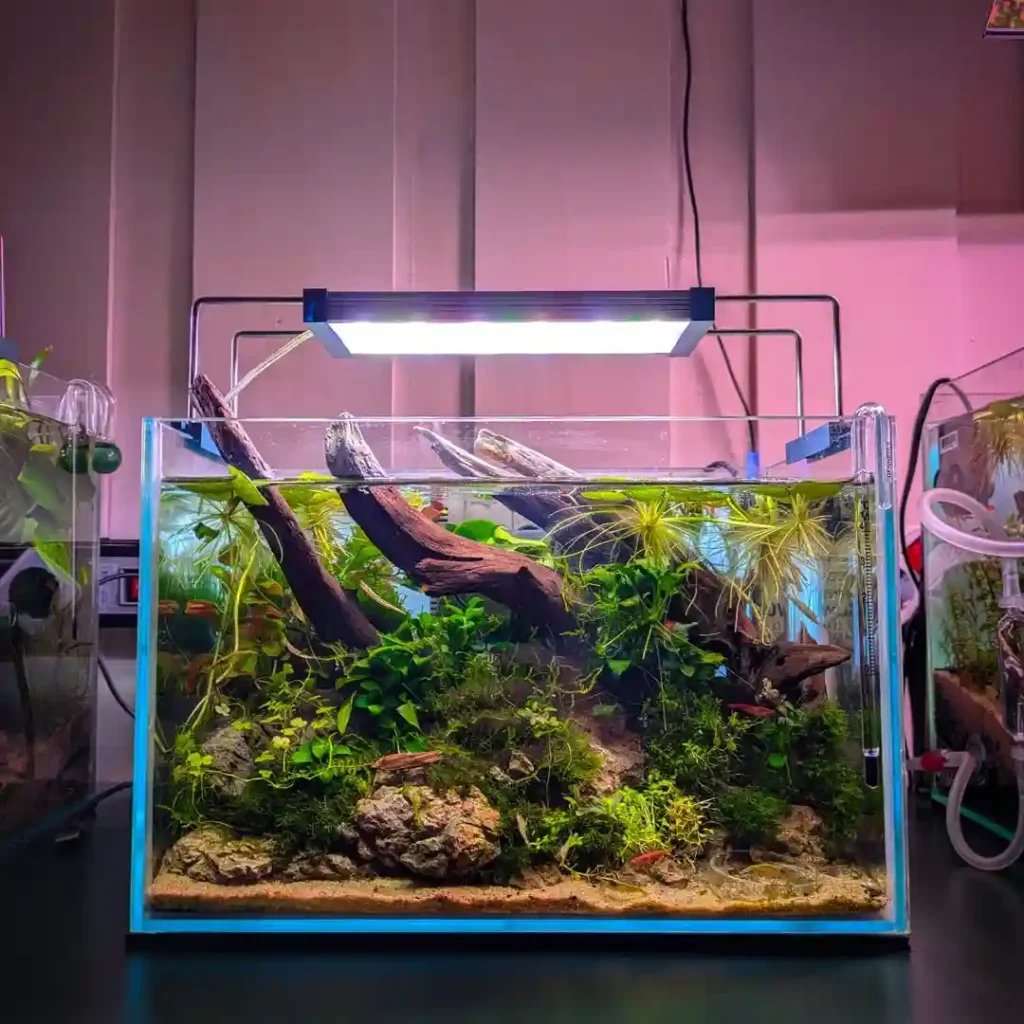
Why Low-Tech Planted Tanks Are Ideal for Shrimp
Shrimp thrive in stable environments. High-tech planted tanks often involve rapid plant growth, frequent trimming, strong lighting, and CO₂ fluctuations. All of these can stress shrimp, especially Neocaridina species like cherry shrimp.
Low-tech tanks offer:
- Stable water parameters
- Slow, predictable plant growth
- Fewer algae outbreaks
- Lower risk of shrimp stress or deaths
- Minimal maintenance
For most shrimp keepers, low-tech is not a compromise. It is the better option.
If you are still planning your shrimp aquarium, start with this complete setup guide: Shrimp Tank Setup: Step-by-Step Guide for Success
What Defines a Low-Tech Planted Shrimp Tank
A low-tech planted tank is defined more by what it avoids than what it includes.
A true low-tech shrimp tank usually has:
- No CO₂ injection
- Low to moderate lighting
- Easy, slow-growing plants
- Gentle filtration
- Simple fertilization or none at all
The goal is balance, not fast plant growth.
Best Tank Size for Low-Tech Shrimp Tanks
Small tanks are popular for shrimp, but stability increases with size. While shrimp can live in nano tanks, beginners often succeed faster with slightly larger volumes.
Recommended sizes:
- 5 gallons for beginners
- 10 gallons for long-term stability
- 20 gallons for breeding-focused setups
Larger tanks buffer mistakes and keep water parameters steady, which is critical for shrimp health.
Choosing the Right Substrate for Shrimp and Plants
Substrate plays a major role in both plant growth and shrimp safety. In low-tech tanks, the substrate must support plants without releasing harmful substances.
Shrimp-Safe Substrate Options
Good low-tech substrate choices include:
- Inert gravel or sand
- Shrimp-specific buffering substrates
- Soil-based planted substrates designed for aquariums
Each option has pros and cons. Beginners should avoid mixing substrates without understanding their effects.
For a full breakdown of substrate types and shrimp safety, see this detailed guide: Planted Aquarium Substrate Guide
Avoiding Substrate Mistakes
Common beginner errors include:
- Using garden soil
- Choosing sharp gravel
- Disturbing the substrate too often
Shrimp prefer stable substrates that are not constantly stirred.
Best Plants for Low-Tech Shrimp Tanks
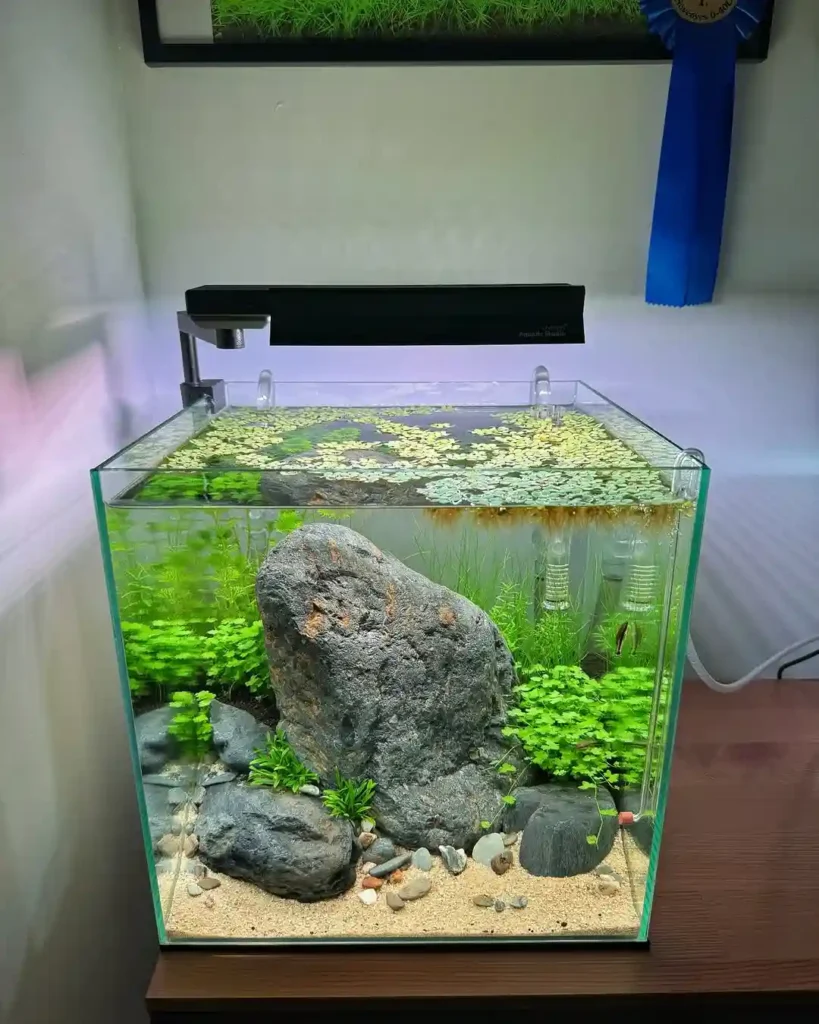
Plant selection is the most important factor in a successful low-tech shrimp tank. Choose plants that grow slowly and do not require CO₂.
Mosses and Attached Plants
These plants are ideal because they do not rely on substrate nutrients.
Examples:
- Java Moss
- Christmas Moss
- Anubias
- Java Fern
They grow well in low light, collect biofilm, and provide shelter for baby shrimp.
Rooted Plants That Work Without CO₂
Some rooted plants also thrive in low-tech conditions.
Beginner-friendly choices:
- Cryptocoryne
- Dwarf Sagittaria
- Vallisneria
These plants grow slowly and help stabilize the tank over time.
Floating Plants for Shrimp Tanks
Floating plants are especially useful in low-tech setups.
They help by:
- Reducing excess nutrients
- Softening light intensity
- Growing biofilm on roots
Floating plants also reduce algae by competing for nutrients.
Lighting for Low-Tech Shrimp Planted Tanks
Lighting should be gentle and consistent. Too much light causes algae and stresses shrimp.
Best lighting practices:
- Low to moderate LED light
- 6 to 8 hours per day
- No sudden changes in intensity
Shrimp do not need bright tanks. Soft lighting encourages natural behavior and steady plant growth.
Filtration and Water Flow
Shrimp are sensitive to strong currents. Low-tech planted tanks work best with gentle filtration.
Recommended filters:
- Sponge filters
- Low-flow internal filters
- Hang-on-back filters with sponge covers
Gentle flow protects baby shrimp and allows plants to grow without stress.
Cycling a Low-Tech Shrimp Tank
Cycling is critical, even in planted tanks. Plants help reduce ammonia, but they do not replace cycling.
Cycling tips:
- Cycle the tank before adding shrimp
- Use beneficial bacteria
- Let plants establish before livestock
Rushing this step is one of the main causes of shrimp deaths.
For a step-by-step planted tank cycling process, see this guide: Set Up a Freshwater Planted Tank
Fertilizers in Low-Tech Shrimp Tanks
Many low-tech shrimp tanks do not need fertilizers at all, especially early on.
If fertilizers are used:
- Choose shrimp-safe products
- Use very small doses
- Avoid copper-containing fertilizers
Over-fertilizing is more dangerous than under-fertilizing in shrimp tanks.
Maintenance in a Low-Tech Shrimp Tank
Low-tech does not mean no maintenance, but it does mean less work.
Simple maintenance routine:
- Weekly water changes of 10–20 percent
- Gentle sponge cleaning
- Light plant trimming only when needed
Avoid deep cleaning. Shrimp rely on biofilm and microorganisms that develop naturally.
Common Mistakes to Avoid
Even low-tech tanks can fail if basic rules are ignored.
Avoid these mistakes:
- Chasing perfect water parameters
- Changing lighting schedules often
- Overfeeding shrimp
- Constant rearranging of plants
Stability matters more than precision.
Frequently Asked Questions
Can shrimp live in a planted tank without CO₂?
Yes. Shrimp do very well in planted tanks without CO₂. In fact, most shrimp keepers prefer no CO₂ setups because they are more stable.
Do plants grow slower without CO₂?
Yes, but slow growth is a benefit in shrimp tanks. It reduces algae and keeps conditions predictable.
Is low-tech better than high-tech for shrimp?
For most shrimp species, low-tech setups are safer and easier to maintain long term.
How long does it take for a low-tech shrimp tank to stabilize?
Most tanks stabilize within four to six weeks after cycling and planting.
Can I upgrade a low-tech shrimp tank later?
Yes, but upgrades should be gradual. Sudden changes can stress shrimp.
Final Thoughts
Low-tech planted tanks are one of the best environments you can create for shrimp. They are stable, natural, and forgiving, especially for beginners. By skipping CO₂, using gentle lighting, and choosing the right plants and substrate, you reduce stress for both yourself and your shrimp.
A well-planned low-tech shrimp tank grows into a self-supporting ecosystem over time. With patience and consistency, it becomes easier to maintain and more rewarding to watch with each passing month.