Yes, shrimp can successfully breed in community tanks when proper conditions are met. Certain species like Cherry Shrimp readily reproduce alongside peaceful fish companions if you provide adequate hiding places, stable water parameters, and appropriate tank mates. Creating a shrimp-friendly environment with dense plant growth, gentle filtration, and careful species selection will maximize breeding success in your community aquarium.
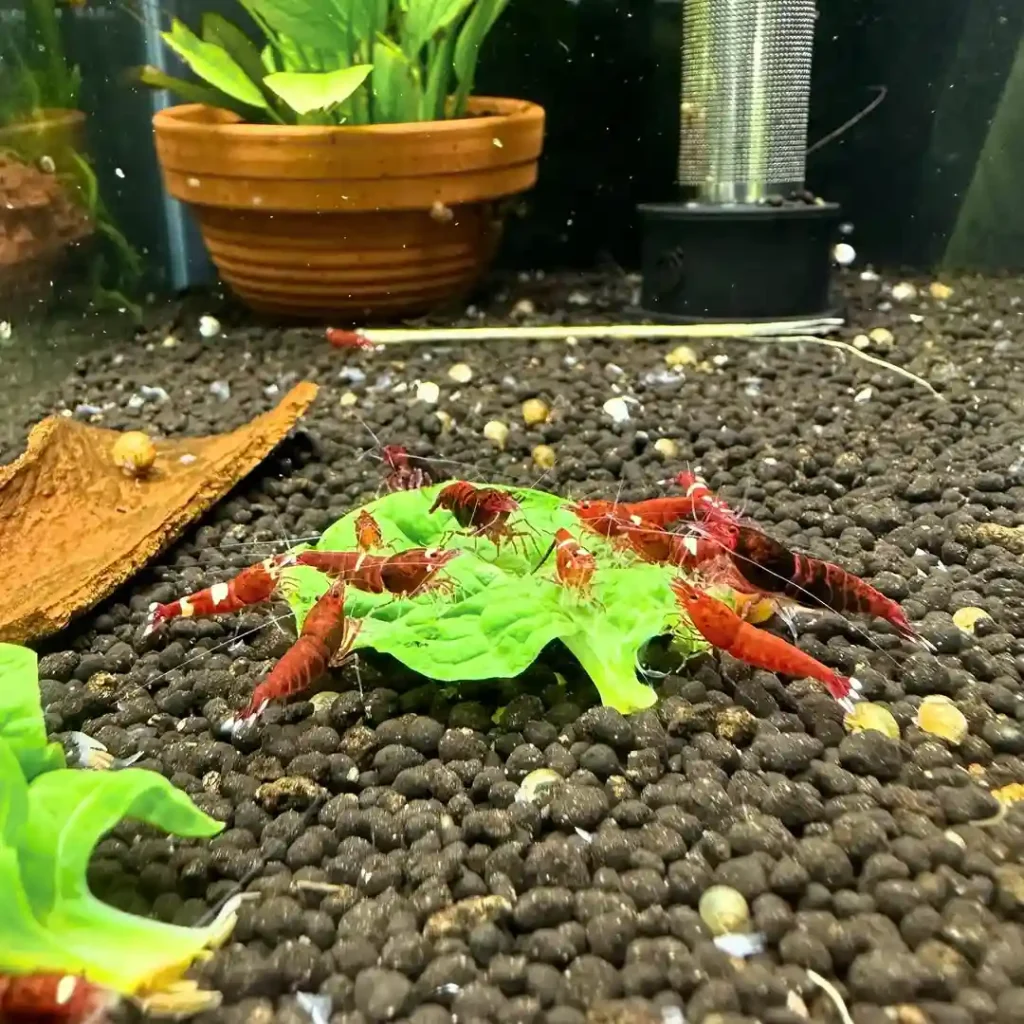
Shrimp Breeding in Community Settings
Breeding shrimp in a community tank is absolutely possible, but success depends on several key factors. Let’s explore what makes shrimp breeding work in shared aquarium spaces and how you can set up your tank for the best results.
Best Shrimp Species for Community Tank Breeding
Not all shrimp species breed equally well in community environments. Here are the top performers:
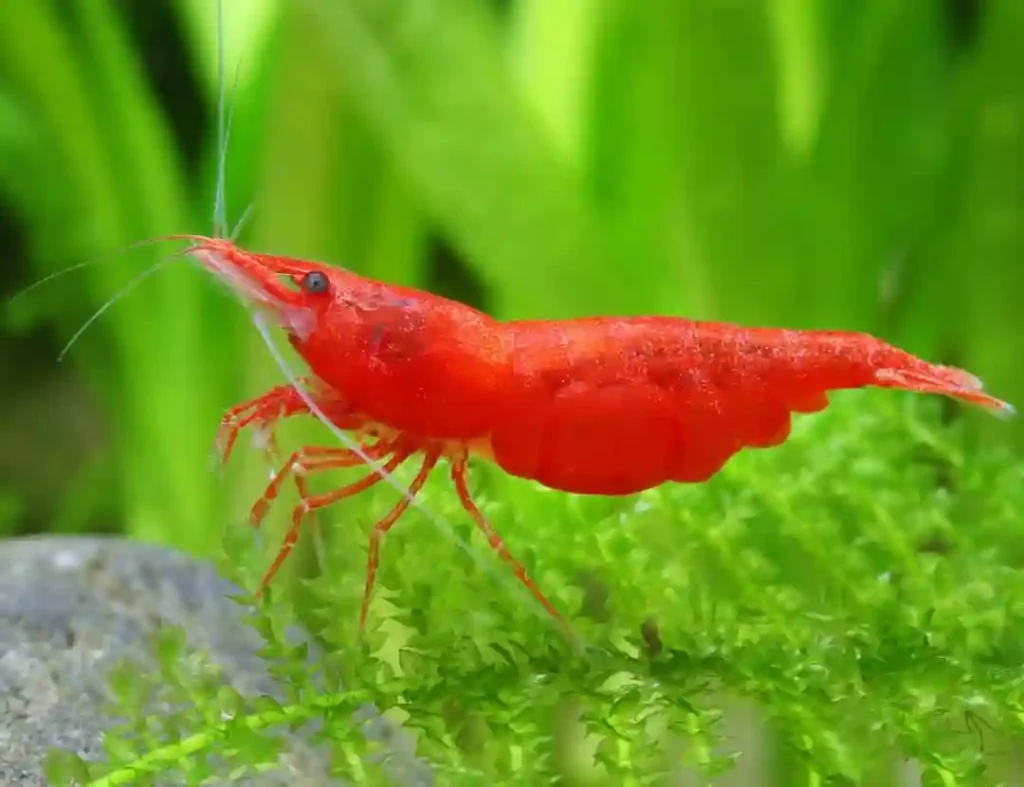
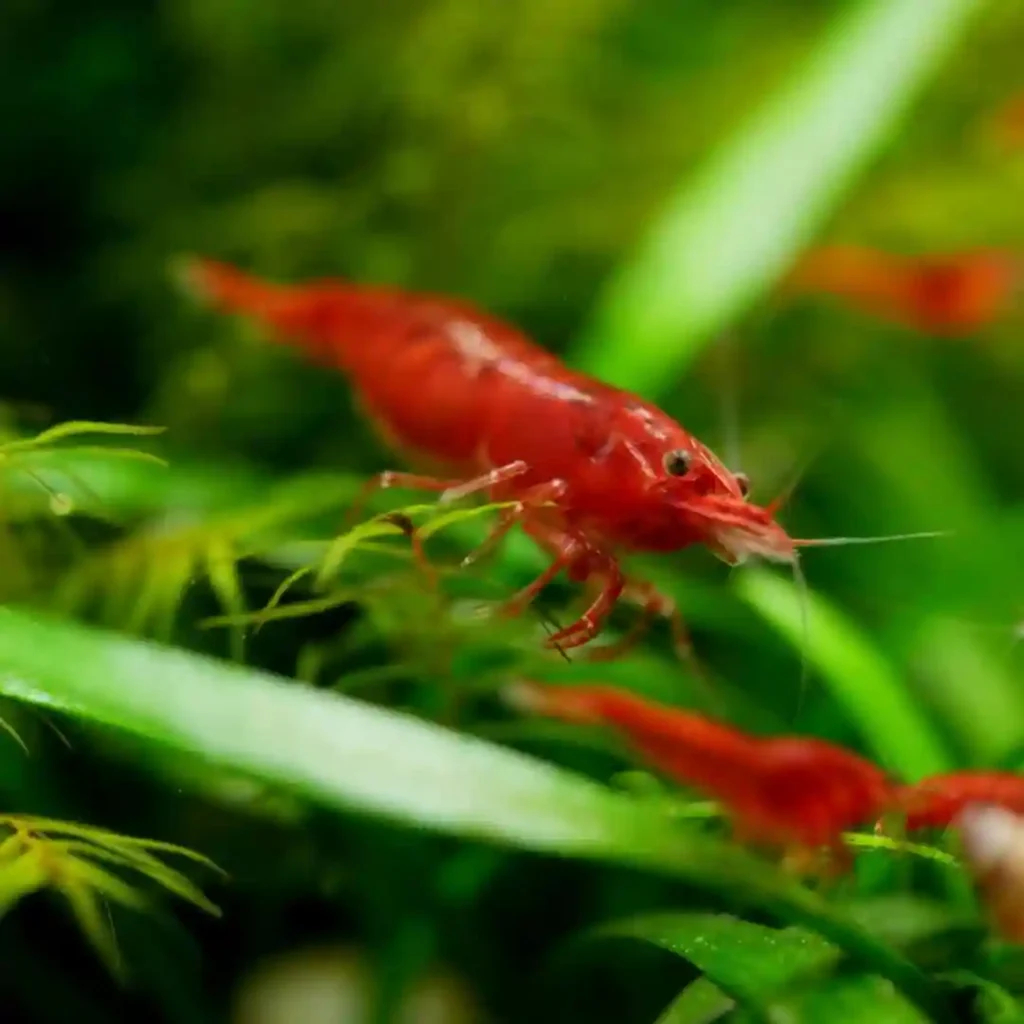
Cherry Shrimp (Neocaridina davidi) – These colorful shrimp are the champions of community tank breeding. They’re hardy, adaptable, and prolific breeders that can maintain their population even with some predation.
Amano Shrimp (Caridina multidentata) – While Amanos can breed in freshwater, their larvae require brackish conditions to develop, making successful reproduction in home aquariums rare.
Ghost Shrimp (Palaemonetes sp.) – These transparent shrimp may breed in community tanks, but their tiny offspring often become fish food.
Crystal Red/Black Shrimp (Caridina cantonensis) – These beautiful shrimp have more specific water requirements and are better suited for species-only tanks if breeding is your goal.
Creating the Perfect Breeding Environment
For successful shrimp breeding in community tanks, focus on these essential elements:
Dense Plant Coverage
Plants are crucial for breeding success. They provide:
- Hiding places for berried (egg-carrying) females
- Protection for newly hatched shrimplets
- Biofilm growth for food
Best plants for shrimp breeding:
- Java moss
- Guppy grass
- Hornwort
- Floating plants (like frogbit or salvinia)
- Christmas moss
The denser your plant growth, the higher the survival rate of baby shrimp.
Water Parameters and Stability
Stability is more important than perfect parameters. Sudden changes can cause shrimp to drop their eggs or stop breeding altogether.
| Parameter | Ideal Range for Breeding |
| Temperature | 72-78°F (22-26°C) |
| pH | 6.8-7.5 for Neocaridina; 6.0-6.8 for Caridina |
| GH | 6-8 dGH for Neocaridina; 4-6 dGH for Caridina |
| KH | 2-5 dKH for Neocaridina; 0-2 dKH for Caridina |
| TDS | 150-250 ppm for Neocaridina; 100-200 ppm for Caridina |
| Ammonia/Nitrite | 0 ppm (critical) |
| Nitrate | Below 20 ppm |
Test your water weekly and make small, gradual changes when needed.
Appropriate Filtration
The right filtration protects delicate shrimplets while maintaining water quality:
- Sponge filters are ideal as they prevent baby shrimp from being sucked in
- If using HOB or canister filters, cover intakes with fine mesh or sponge
- Aim for gentle water flow rather than strong currents
Choosing Compatible Tank Mates
Your choice of fish companions significantly impacts breeding success.
Fish That Work Well With Breeding Shrimp
These peaceful species rarely bother adult shrimp and may only occasionally eat the smallest babies:
- Otocinclus catfish
- Small rasboras (like Chili Rasboras)
- Small tetras (like Ember Tetras)
- Endler’s livebearers
- Corydoras catfish
- Small peaceful plecos (like Clown Plecos)
- Kuhli loaches
Fish to Avoid
These fish will actively hunt shrimp and should be avoided if breeding is your goal:
- Bettas (some individuals may be peaceful, but most hunt shrimp)
- Cichlids of any kind
- Larger tetras (like Serpae Tetras)
- Gouramis (especially larger species)
- Angelfish
- Barbs (like Tiger Barbs)
- Any predatory species
The Impact of Fish on Shrimplet Survival
Even with compatible fish, expect lower survival rates of baby shrimp in community tanks. In a shrimp-only tank, nearly all babies might survive to adulthood. In community tanks, that number drops significantly based on:
- Fish species present
- Number of fish
- Available hiding places
- Density of plant growth
Some keepers accept lower survival rates as natural population control, preventing overpopulation in established tanks.
Recognizing Breeding Behavior
Knowing what to look for helps you monitor breeding progress:
- Saddle formation – Yellow/green area behind female’s head indicating developing eggs
- Berried females – Eggs carried under the tail, looking like tiny berries
- Fanning behavior – Females constantly moving their swimmerets to provide oxygen to eggs
- Molting increase – More frequent molting often precedes breeding
- Increased male activity – Males becoming more active and “dancing” around females
Once you spot berried females, the egg development typically takes 2-3 weeks before hatching.
Enhancing Breeding Success
Try these proven techniques to boost breeding rates in community settings:
Feeding Strategies
Proper nutrition encourages breeding and helps more babies survive:
- Biofilm development – Let some algae grow on surfaces as it’s perfect first food for shrimplets
- Specialized foods – Shrimp-specific foods often contain minerals that promote molting and breeding
- Varied diet – Rotate between quality commercial foods, blanched vegetables, and occasional protein treats
- Powder foods – Fine powder foods help tiny shrimplets get nutrition
Feeding schedule tip: Feed small amounts daily rather than large amounts less frequently.
Creating Safe Zones
Even in community tanks, you can create areas that are essentially “shrimp only”:
- Dense clumps of moss where fish can’t access
- Small caves or breeding boxes with slots too small for fish but big enough for shrimp
- “Shrimplet sanctuaries” made from plastic mesh that allow babies in but keep fish out
Water Change Protocol
Maintain water quality without shocking sensitive shrimp:
- Perform smaller, more frequent water changes (10-15% weekly)
- Match temperature exactly
- Age replacement water for 24 hours or use conditioners that neutralize heavy metals
- Avoid large water changes that can trigger molting or egg dropping
Common Breeding Problems and Solutions
| Problem | Possible Causes | Solutions |
| Females get berried but eggs disappear | Stress, poor water quality, or nutritional deficiencies | Check parameters, improve diet, reduce disturbances |
| No breeding activity | Improper male/female ratio, poor water conditions, or temperature issues | Ensure mixed gender population, stabilize parameters |
| Few babies surviving | Predation, lack of hiding places | Add more dense plant cover, feed more frequently |
| Eggs turning white/fuzzy | Fungal infection or unfertilized eggs | Maintain clean water, patience (females will drop bad eggs) |
| Shrimplets dying shortly after hatching | Mineral deficiencies, TDS shock from water changes | Use mineral supplements, be gentle with water changes |
Setting Up an Ideal Community Breeding Tank
For the best chance of success, consider this setup:
- Tank size: 10-20 gallons minimum
- Substrate: Fine gravel or specialized shrimp substrates
- Plants: Cover at least 50% of tank with various types
- Hardscape: Driftwood and rocks creating caves and overhangs
- Filtration: Sponge filter rated for tank size
- Lighting: Moderate to support plant growth
- Heating: Keep temperature stable, not fluctuating
- Maintenance: Weekly small water changes and parameter testing
Final Thoughts:
Breeding shrimp in community tanks requires balancing competing needs, but it’s rewarding to see these fascinating creatures reproduce in a shared environment. Focus on creating plenty of hiding places, maintaining stable water conditions, and choosing compatible tank mates.
Many aquarists find that once their shrimp start breeding successfully, the population becomes self-sustaining even with some predation. The key is creating an environment where enough babies can find safety to grow to adulthood.
With patience and the right setup, you’ll soon be enjoying multiple generations of shrimp living happily alongside your fish in a beautiful, balanced community aquarium.