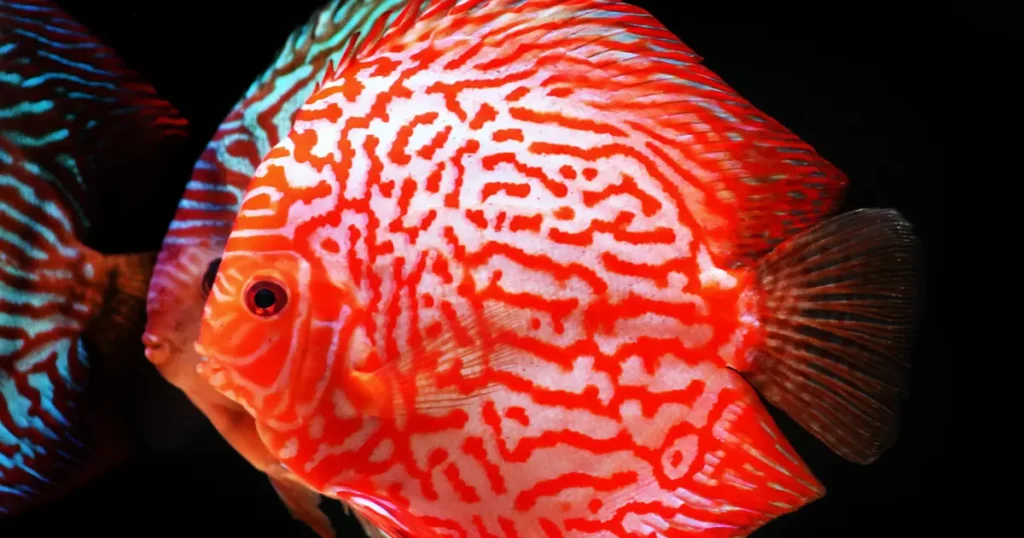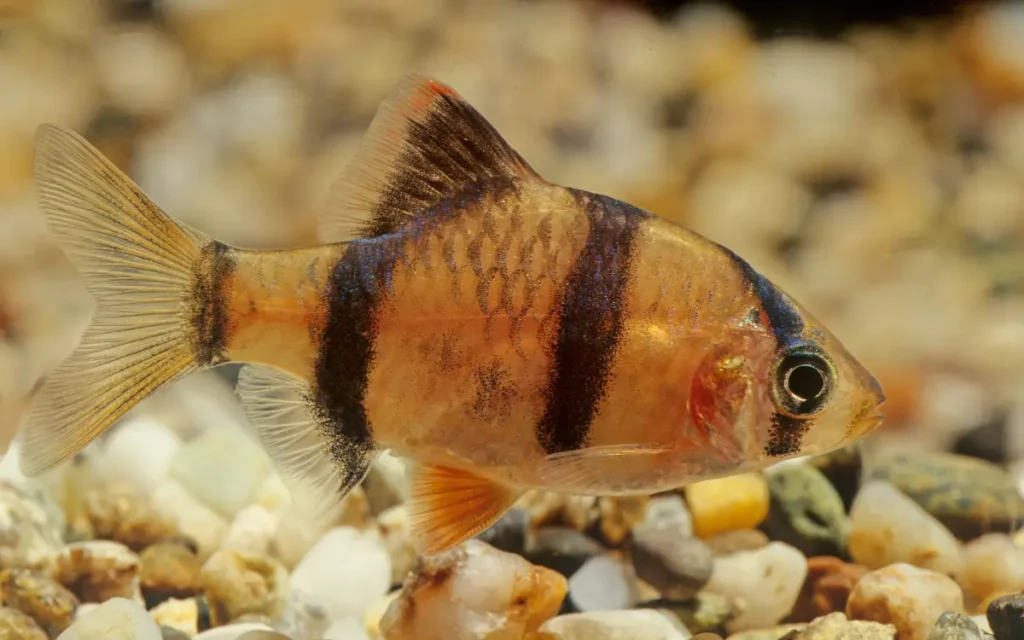
African cichlids are some of the most beautiful fish you can keep in a home aquarium. They come in bright colors like blue, yellow, orange, and red. Many fish lovers enjoy watching their active behavior and interesting personalities.
But African cichlids can be a bit rough with other fish. They often chase, bully, or even attack fish that don’t belong in their tank. This doesn’t mean African cichlids can’t have friends! You just need to choose the right tank mates.
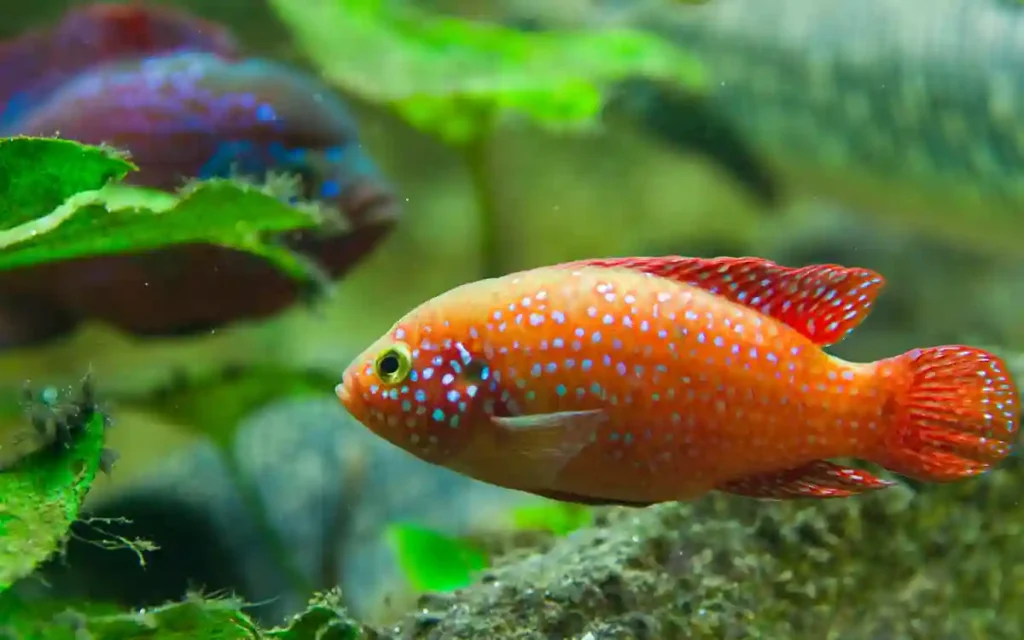
Types of African Cichlids
African cichlids mainly come from three large lakes in Africa:
- Lake Malawi Cichlids: These are often the most colorful. Males show off bright blues, yellows, and oranges to attract females. Examples include Electric Yellow Labs and Blue Dolphins.
- Lake Tanganyika Cichlids: These fish are often a bit calmer than other African cichlids. They include Shellies (shell-dwellers) and Julies.
- Lake Victoria Cichlids: These cichlids have sadly become rare in the wild, but some species are popular in aquariums.
Cichlid Behavior
African cichlids are known for being:
- Territorial: They claim areas of the tank as their own
- Active: They swim around a lot and dig in the sand
- Curious: They investigate anything new in their tank
- Sometimes aggressive: They may chase or nip at other fish
Water Needs
African cichlids need:
- Hard water with minerals
- Higher pH levels (7.8-8.6)
- Warm water (75-82°F)
Any tank mate must be able to live happily in these water conditions!
Best Tank Mates for African Cichlids
Here are the fish that get along best with African cichlids:
1. Synodontis Catfish

Why they work well:
- They live at the bottom of the tank while cichlids usually stay in the middle and top
- They’re tough enough to handle cichlid behavior
- They need the same water conditions as cichlids
- They clean up leftover food
Best types for cichlid tanks:
- Cuckoo Catfish (Synodontis multipunctatus)
- Dwarf Petricola (Synodontis petricola)
- Featherfin Squeaker (Synodontis eupterus)
Tank tip: Add caves or hollow logs at the bottom of your tank for your catfish to hide in.
2. African Butterfly Fish
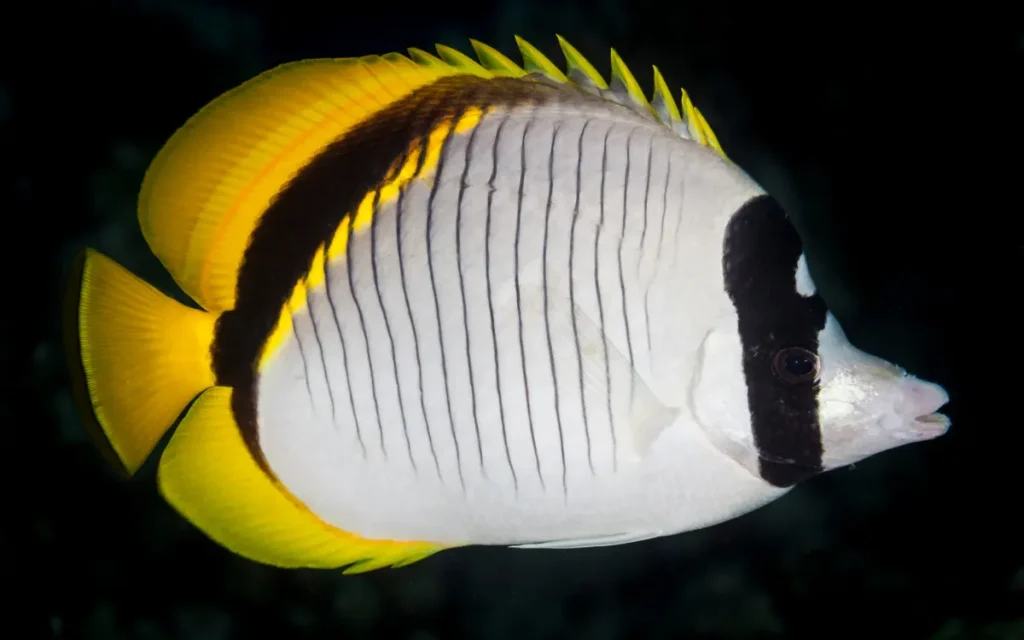
Why they work well:
- They stay at the very top of the water
- Cichlids rarely go to the top surface
- They’re oddly shaped which makes cichlids less likely to bother them
- They do well in the same water conditions
Tank tip: Make sure your tank has a tight lid because Butterfly Fish can jump!
3. Giant Danios
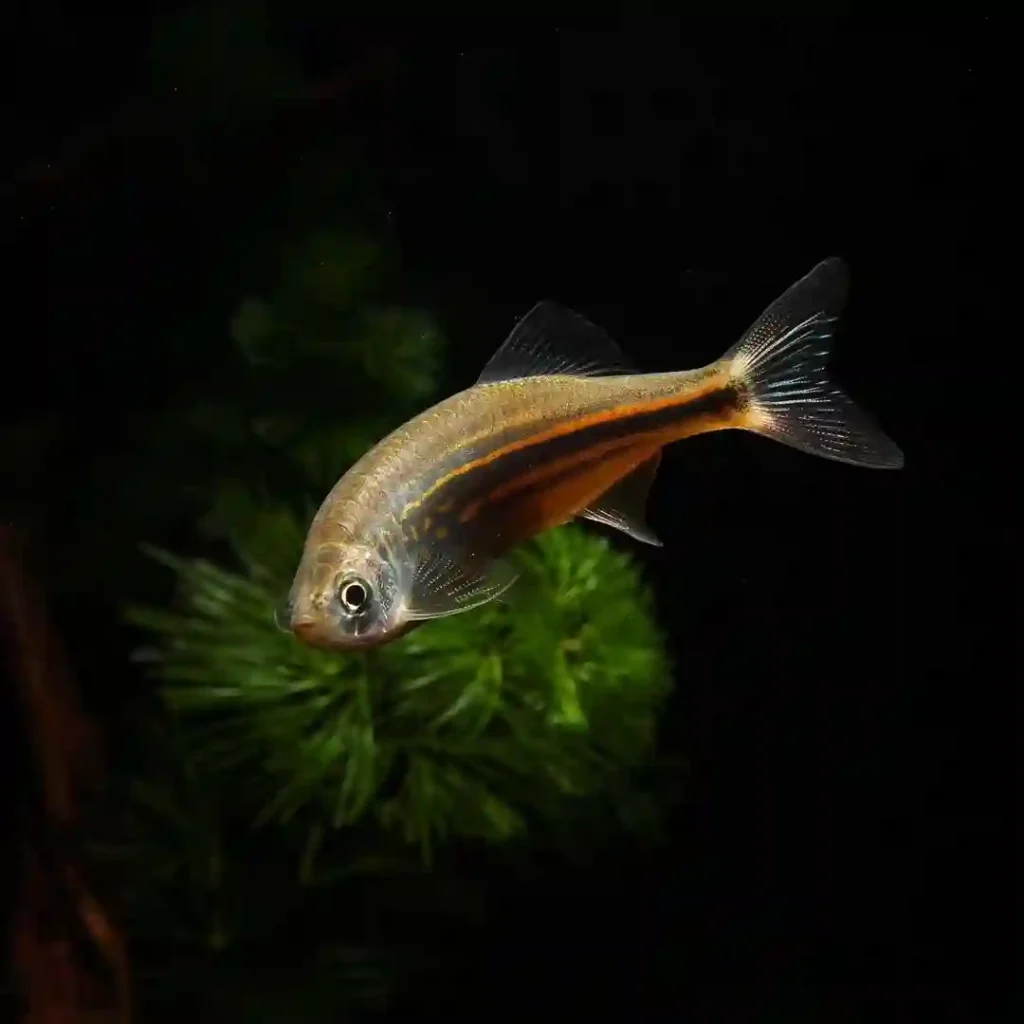
Why they work well:
- They’re very fast swimmers
- They stay in the upper parts of the tank
- They grow large enough (4-6 inches) that cichlids won’t usually try to eat them
- They’re peaceful but active
Tank tip: Giant Danios like to swim in groups, so keep at least 5-6 together.
4. Plecos
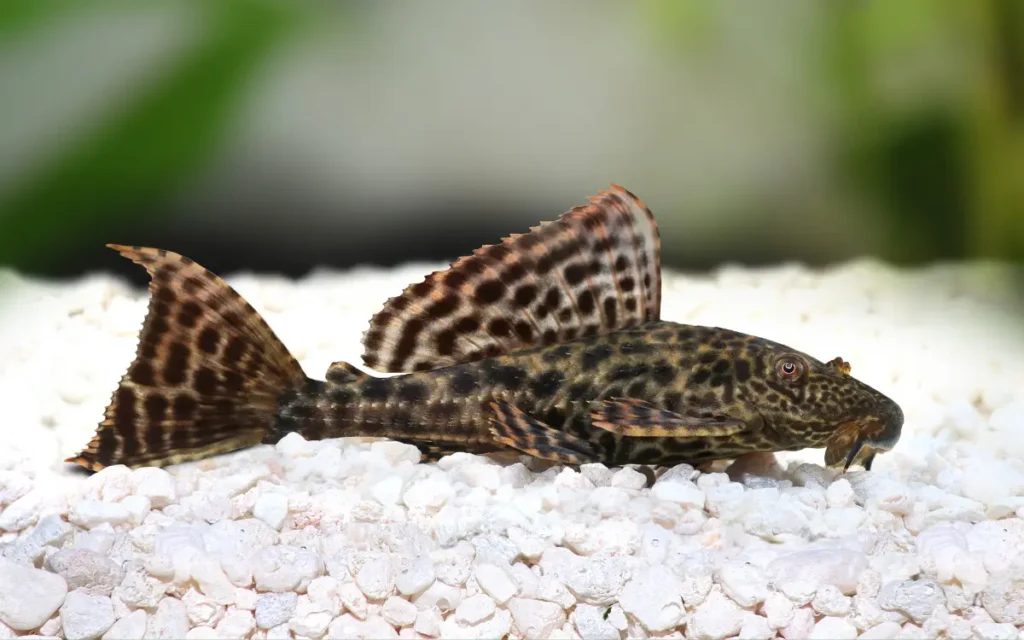
Why they work well:
- They’re armored with tough plates
- They stick to the glass and decorations
- They eat algae and help keep the tank clean
- They grow quite large
Best types for cichlid tanks:
- Bristlenose Pleco (stays smaller at 4-5 inches)
- Common Pleco (gets very large – needs a big tank)
- Clown Pleco (smaller option at 3-4 inches)
Tank tip: Provide driftwood in your tank as plecos need to chew on it for healthy digestion.
5. Rainbow Fish
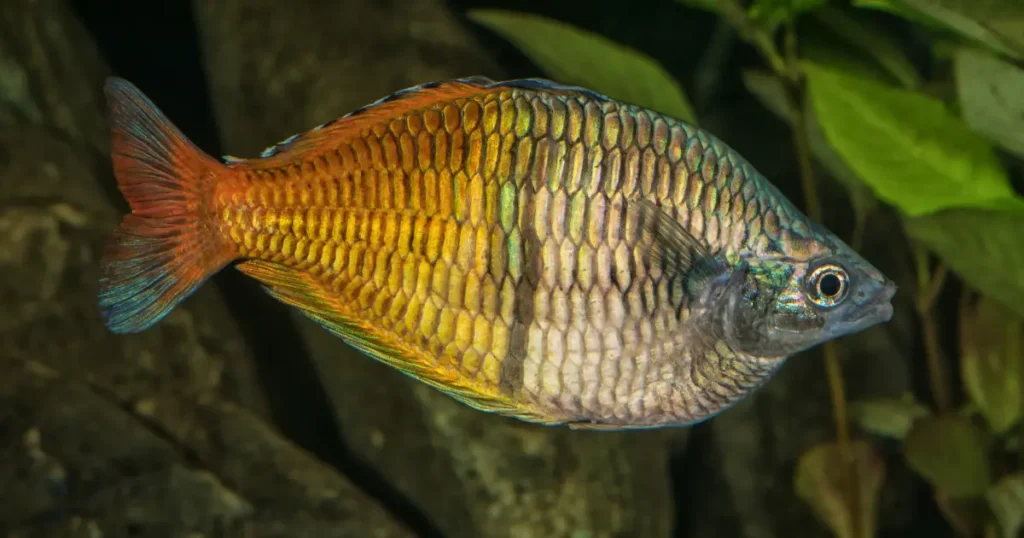
Why they work well:
- They’re fast and agile
- They’re colorful and add visual interest to the tank
- They’re peaceful but not shy
- They do well in similar water conditions
Tank tip: Keep rainbow fish in groups of 6 or more so they feel safe and show their best colors.
6. Larger Rainbowfish
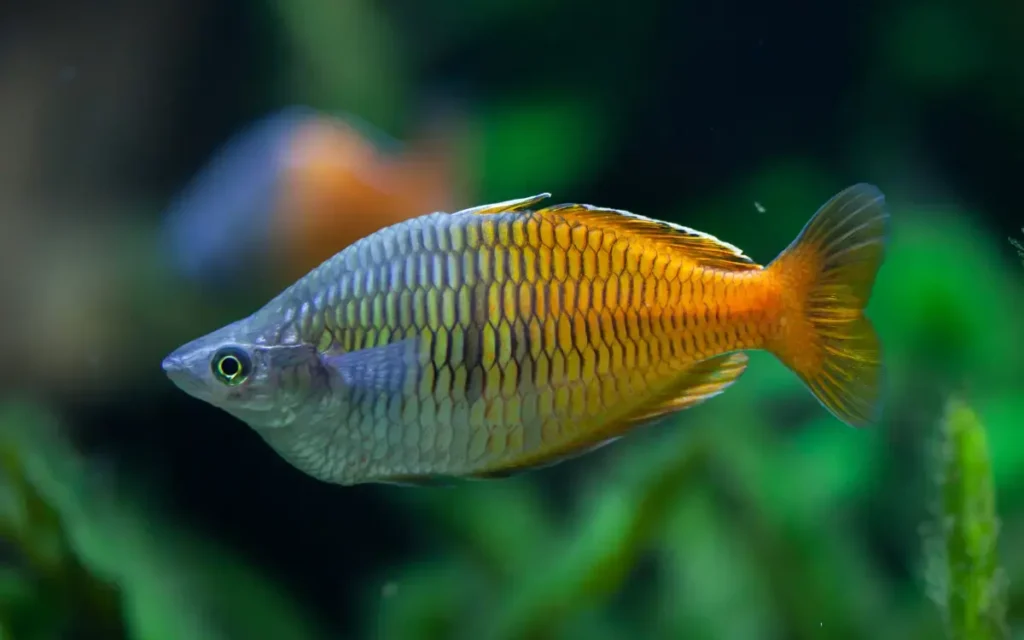
Why they work well:
- They grow to 4-5 inches
- They’re fast swimmers
- They prefer the top and middle areas of the tank
- They’re hardy and adapt well
Popular types:
- Boesemani Rainbow
- Turquoise Rainbow
- Red Rainbow
7. Pictus Catfish
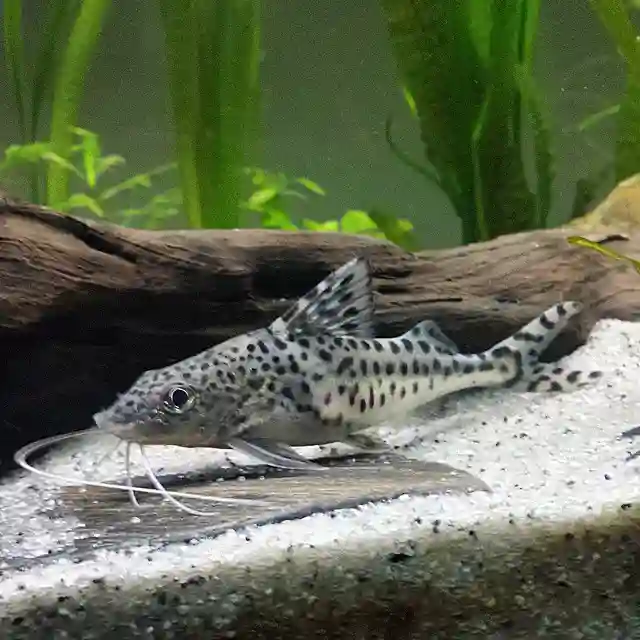
Why they work well:
- They’re active and interesting to watch
- They stay at the bottom of the tank
- They’re fast enough to avoid trouble
- They’re peaceful scavengers
Tank tip: Pictus catfish like to be in groups of 3 or more and need plenty of open swimming space.
Fish to Avoid Keeping with African Cichlids
Some fish should never be put in a tank with African cichlids:
Small Community Fish
Don’t keep these with cichlids:
- Guppies
- Neon Tetras
- Mollies
- Small Rasboras
Why they don’t work: These fish are too small and will likely be eaten or bullied by cichlids. They also prefer different water conditions.
Slow-Moving or Long-Finned Fish
Avoid these with cichlids:
Why they don’t work: Their long, flowing fins make them targets for fin-nipping, and they can’t swim fast enough to escape harassment.
Peaceful Bottom-Dwellers
These aren’t good matches:
- Kuhli Loaches
- Corydoras Catfish
- Small Plecos
Why they don’t work: These gentle bottom-dwellers can be bullied when they share the same territory as digging cichlids.
Other Aggressive Fish
These combinations often lead to disaster:
- Oscar Fish
- Jack Dempsey Cichlids
- Red Devil Cichlids
Why they don’t work: When two aggressive fish compete for territory, serious fighting and injuries can happen.
Setting Up Your African Cichlid Community Tank
To keep peace between your cichlids and their tank mates, follow these setup tips:
Tank Size
Go big! A larger tank means less fighting:
- Minimum size: 55 gallons
- Better size: 75+ gallons
- Ideal for many species: 125+ gallons
Remember: More space = less aggression
Creating Territories
Use rocks and decorations to break up the tank:
- Build rock piles with hiding spots
- Create caves and tunnels
- Leave open swimming areas between rock formations
- Make sure decorations are stable and won’t collapse
Visual Barriers
Add plants (real or fake) to block sight lines:
- Vallisneria
- Anubias (attached to rocks)
- Java Fern
- Artificial plants (if you prefer)
When fish can’t see each other all the time, there’s less chasing and fighting.
Filtration and Water Flow
African cichlids and their tank mates need clean water:
- Use filters rated for at least twice your tank’s volume
- Create moderate water movement with powerheads
- Perform regular water changes (25-30% weekly)
Introducing New Tank Mates
The way you add new fish makes a big difference in how well they get along.
Best Practices
- Add cichlids last if starting a new tank
- Rearrange decorations before adding new fish
- Add groups together rather than single fish
- Use a quarantine tank for new arrivals
- Watch carefully for the first few days
The “Midnight Move”
Try this trick: Add new tank mates after turning off the lights for the night. When the lights come on in the morning, the cichlids will be less likely to view the new fish as intruders.
FAQ’S
Can African cichlids live with other types of cichlids?
It depends on the species. Some cichlids from the same lake may get along, but mixing cichlids from different lakes (like Malawi and Tanganyika) usually causes problems because of different behaviors and water needs.
How many fish can I put in my cichlid tank?
A good rule is 1 inch of full-grown fish per 2 gallons of water. For example, a 55-gallon tank could house about 27-28 inches of fish total.
What if my cichlids are being too aggressive?
Try these steps:
- Add more hiding places
- Reduce the number of male cichlids
- Increase the tank size
- Try a “time out” tank for bullies
Can I keep plants with African cichlids?
Yes, but choose tough plants that can handle cichlids’ digging habits:
- Anubias (attach to rocks)
- Java Fern
- Vallisneria
- Amazon Sword (in pots)
Tank Mate Compatibility Chart
Here’s a quick reference guide for cichlid tank mates:
| Fish Type | Compatibility | Tank Level | Minimum Tank Size | Notes |
| Synodontis Catfish | Excellent | Bottom | 55 gallons | Great scavengers |
| Giant Danios | Good | Top | 55 gallons | Keep in groups of 6+ |
| Plecos | Good | Bottom | 55 gallons | Need driftwood |
| Rainbow Fish | Good | Middle/Top | 75 gallons | Keep in groups |
| African Butterfly Fish | Good | Surface | 30 gallons | Needs tight lid |
| Pictus Catfish | Fair | Bottom | 75 gallons | Very active |
| Larger Barbs | Fair | Middle | 55 gallons | Can be nippy themselves |
| Silver Dollars | Fair | Middle | 75 gallons | Need plenty of space |
Conclusion
Keeping African cichlids with tank mates can be challenging but rewarding. With the right combination of fish, proper tank setup, and careful introduction, you can create a lively and colorful community aquarium.
Remember these key points:
- Choose tank mates that are either tough enough to handle cichlids or stay in different areas of the tank
- Provide plenty of space and hiding spots
- Match all fish to the same water conditions
- Monitor behavior and be ready to separate fish if needed
African cichlids might be known for their feisty behavior, but with the right approach, they can be part of a thriving community tank that will bring you years of enjoyment!