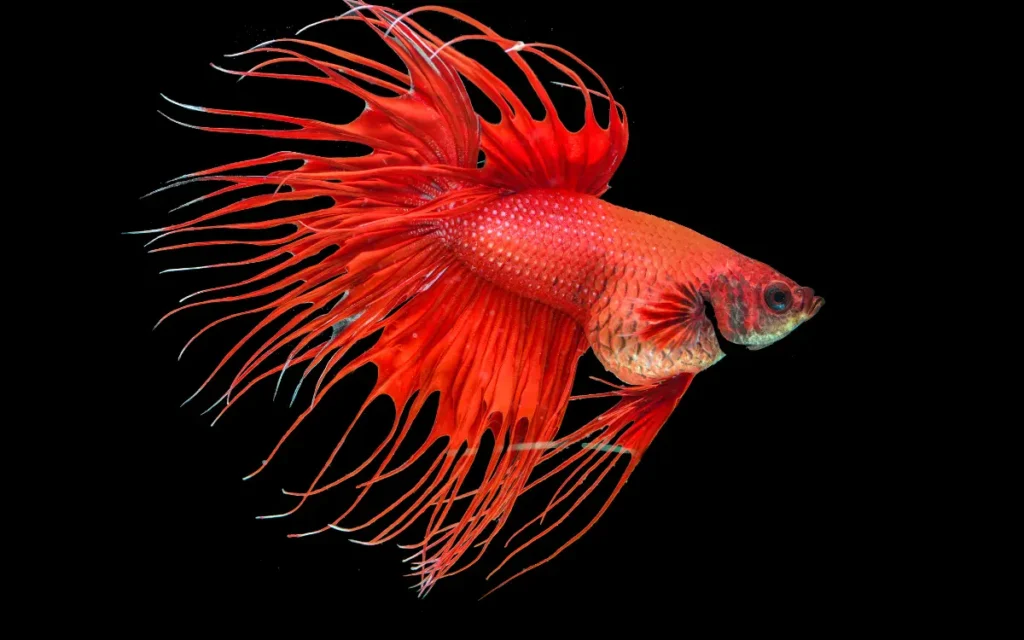
White Cloud Mountain Minnows (Tanichthys albonubes) are small, peaceful, and hardy fish that thrive in cooler water aquariums. Often overlooked for flashier species, these minnows are underrated gems for beginners and experienced fishkeepers alike. In this guide, you’ll learn how to care for them, from tank setup to feeding and breeding.
White Cloud Mountain Minnow Species Profile
| Characteristic | Details |
| Scientific Name | Tanichthys albonubes |
| Origin | China (White Cloud Mountains) |
| Adult Size | 1.5 inches |
| Lifespan | 4–6 years |
| Temperament | Peaceful, schooling |
| Ideal Tank Size | Minimum 10 gallons |
| Water Temperature | 60–72°F |
| pH Range | 6.0–8.0 |
| Water Hardness | 5–19 dGH |
| Diet | Omnivore |
Species Overview
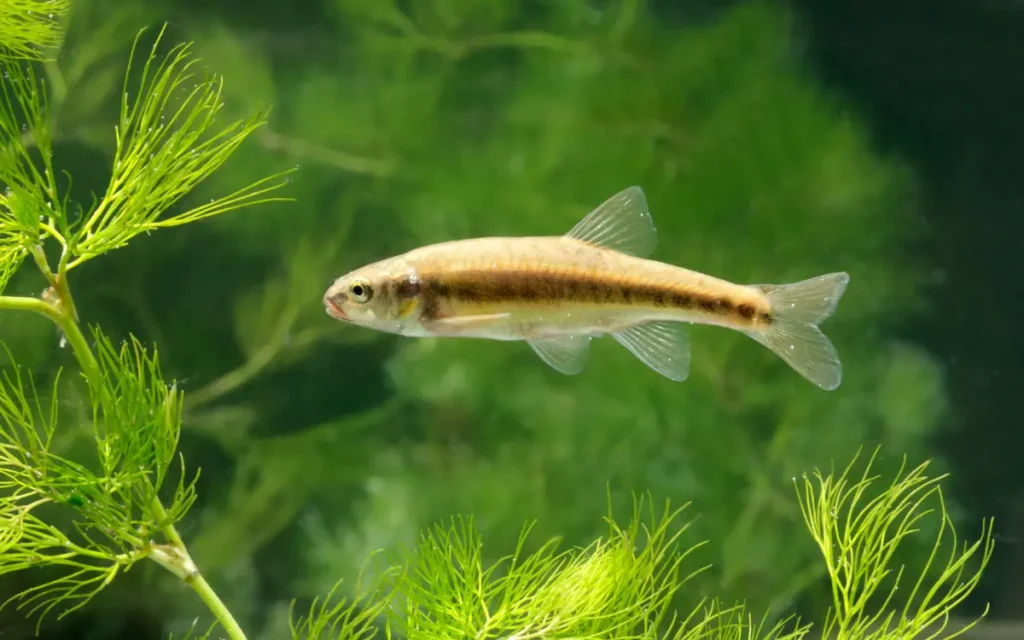
These active and adaptable fish come from the cool, slow-moving streams of southern China. White Clouds are ideal for unheated tanks or outdoor tubs in temperate climates. Their shimmering silver bodies, red fins, and gold accents make them visually appealing despite their small size. They’re best kept in groups of 6 or more.
Appearance and Behavior
White Clouds have a slim, torpedo-shaped body with red or orange-tipped fins and a golden-white stripe along their side. They are lively swimmers that spend most of their time in the mid to upper tank levels. In groups, they school beautifully and display natural social behaviors.
My Experience: I’ve kept White Clouds in both indoor and outdoor setups. They’re incredibly hardy and do especially well in unheated tanks. Their peaceful nature makes them great community tank residents.
Ideal Tank Setup
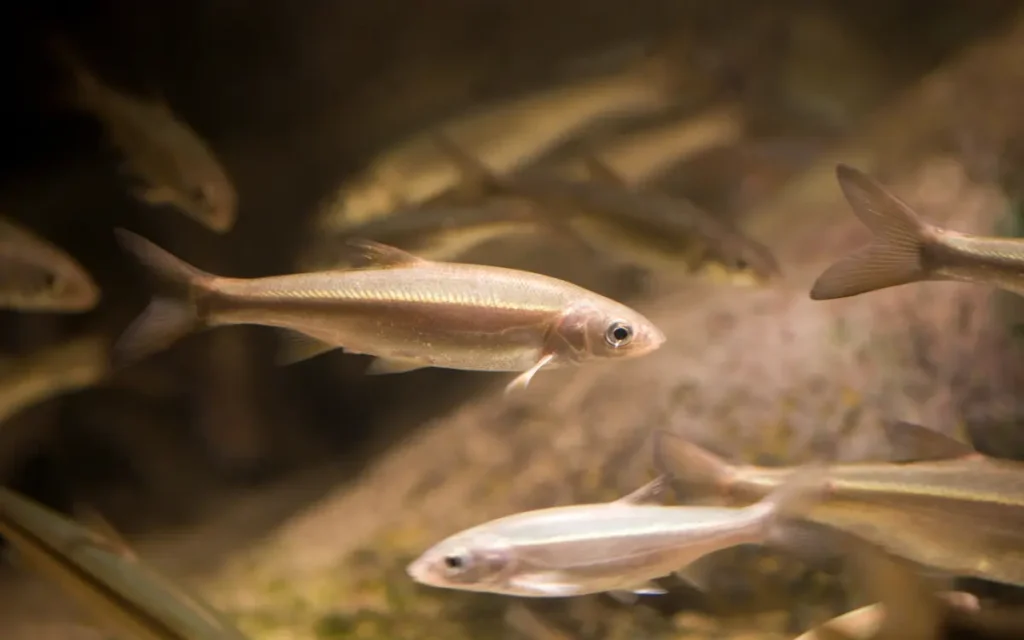
Start with a 10–15 gallon tank or larger. Use gravel or sand substrate and include live plants like hornwort, Java fern, or water wisteria. They enjoy moderate flow and good oxygenation. Filtration should be gentle but consistent.
- Temperature: 60–72°F
- pH: 6.0–8.0
- Hardness: 5–19 dGH
Compatible Tank Mates
White Clouds are peaceful and can live with:
- Zebra Danios
- Pygmy Corydoras
- Cherry Shrimp
- Mystery Snails
- Rosy Barbs (in cool setups)
- Guppies (if kept in cooler water)
Avoid aggressive or fin-nipping fish. They also do great in species-only tanks.
Feeding and Diet
White Clouds eat just about anything: flakes, micro pellets, and frozen or live foods like brine shrimp and daphnia. Feed twice daily in small portions. A varied diet helps bring out their colors and supports breeding.
Breeding White Cloud Mountain Minnows
They’re one of the easiest fish to breed. In a planted tank or outdoor tub, they often spawn without intervention. Males chase females during courtship, and eggs are scattered among plants. Adults rarely eat eggs but can be separated for better fry survival. Fry hatch in 2–3 days and can be fed infusoria or powdered food.
What I’ve Learned: Outdoors, they breed like clockwork. Indoors, you can breed them in a simple bare-bottom tank with spawning mops or moss. No heater needed—just a bit of patience.
FAQ
Do White Cloud Minnows need a heater?
No, they thrive in cool water between 60–72°F.
Are they good for beginners?
Yes, they’re very hardy and adaptable.
How many should be kept together?
At least six—they’re schooling fish and feel secure in groups.
Can they live in outdoor ponds or tubs?
Yes, in mild climates they thrive outdoors seasonally.
Final Thoughts
White Cloud Mountain Minnows are underrated, colorful fish perfect for cool-water tanks. Their peaceful nature, easy care, and ability to breed in simple conditions make them a top pick for both new and seasoned aquarists.
 **2. Platy** Platies are hardy and easygoing. They enjoy swimming in groups and come in a variety of bright colors. Great for peaceful community tanks. ➡️ [Platy Fish Guide →](#) **3. Zebra Danio** Known for their energy and toughness, zebra danios are perfect for cycling new tanks. They tolerate a wide range of conditions and like to dart around in groups. ➡️ [Zebra Danio Guide →](#) **4. Corydoras Catfish** Peaceful bottom-dwellers that help keep your tank clean. Keep them in groups of 3 or more and give them soft substrate. ➡️ [Cory Catfish Care →](#) **5. Molly** Adaptable to various water conditions (even brackish), mollies are lively and great for community aquariums. ➡️ [Molly Fish Care Guide →](#) **6. Swordtail** Easy to care for and great in peaceful groups. Males have a signature sword-like tail and love swimming space. ➡️ [Swordtail Fish Guide →](#) **7. Betta Fish** Low-maintenance and visually stunning. Best kept alone or with very peaceful tank mates like snails or Corydoras. ➡️ [Full Betta Fish Care Guide →](#) **8. Neon Tetra** Small and peaceful, neon tetras love to school and light up a planted tank. Keep them in groups of 6 or more. ➡️ [Neon Tetra Care Guide →](https://oceanbitez.com/neon-tetras/) **9. Harlequin Rasbora** A calm and schooling species that fits right into community setups. Easy to feed and care for. ➡️ [Harlequin Rasbora Guide →](#) **10. Dwarf Gourami** A gentle and colorful addition to a beginner’s tank. Likes planted environments and peaceful neighbors. ➡️ [Dwarf Gourami Guide →](#) **11. White Cloud Mountain Minnow** Can live in cooler temperatures and is perfect for unheated tanks. Small, peaceful, and easy to care for. ➡️ [White Cloud Minnow Guide →](#) **12. Cherry Barb** Peaceful and social, cherry barbs do well in planted tanks and enjoy being in small groups. ➡️ [Cherry Barb Care →](#) --- ### Sample Beginner Tank Combos **Combo 1: 10–15 Gallon Easy Starter** * 4–6 Guppies * 3 Corydoras Catfish * 1 Nerite Snail **Combo 2: 20 Gallon Planted Community** * 6 Harlequin Rasboras * 6 Neon Tetras * 1 Dwarf Gourami * 3 Otocinclus (optional if algae control is needed) --- ### Beginner Tips for a Successful Aquarium * Cycle your tank before adding fish (ammonia → nitrite → nitrate) * Start with hardy species before delicate ones * Feed small amounts once or twice daily * Do weekly partial water changes (20–30%) * Don’t mix aggressive or fin-nipping species * Use a heater for tropical fish (75–80°F) --- ### Final Thoughts These beginner fish are ideal for getting started in the hobby without frustration. They're low-maintenance, compatible, and fun to watch. Once you’re comfortable, you can explore more advanced species and community combinations. ➡️ Check out our full guide to [Freshwater Aquarium Fish →](https://oceanbitez.com/freshwater-fish/)](https://oceanbitez.com/wp-content/uploads/2024/06/Best-Freshwater-Fish-for-Your-Aquarium-1024x640.webp)