Zebra Danios are small, active freshwater fish that grow up to 2 inches, live around 3–5 years, and thrive in groups of at least 6. They are one of the easiest fish to care for, making them perfect for beginners.
If you want Zebra Danios to stay healthy and active, the key is simple: keep them in a proper group, give them space to swim, and maintain clean, stable water conditions.
Zebra Danio Quick Facts
| Feature | Details |
| Scientific Name | Danio rerio |
| Size | 1.5–2 inches |
| Lifespan | 3–5 years |
| Temperament | Peaceful, active |
| Tank Size | 10 gallons minimum |
| Group Size | 6–10 recommended |
| Temperature | 64–75°F |
| Diet | Omnivore |
Read also: 28 Peaceful Community Fish For Your Tank
What Does a Zebra Danio Look Like?
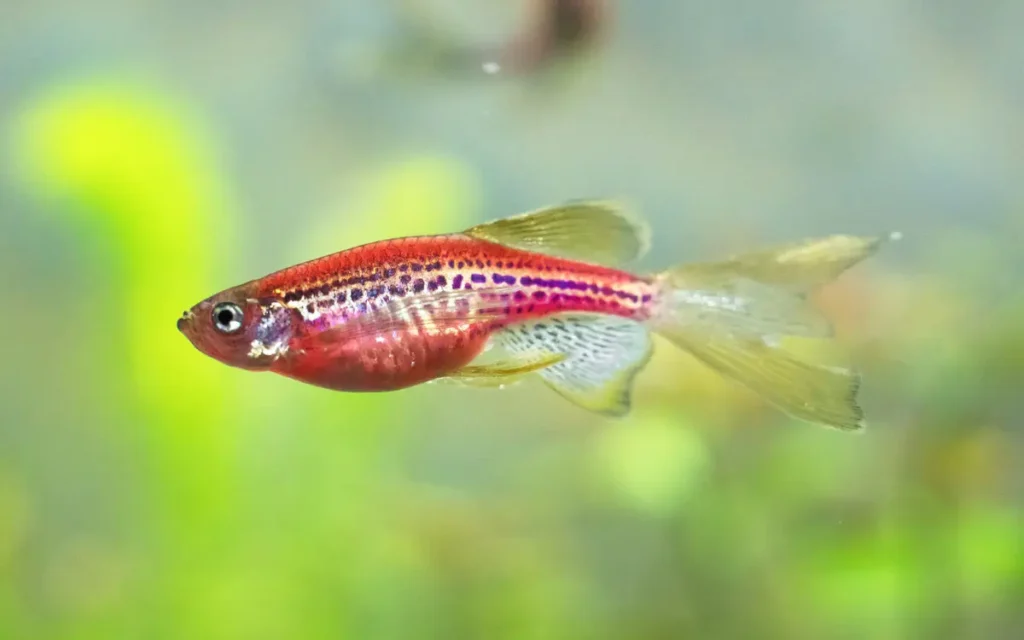
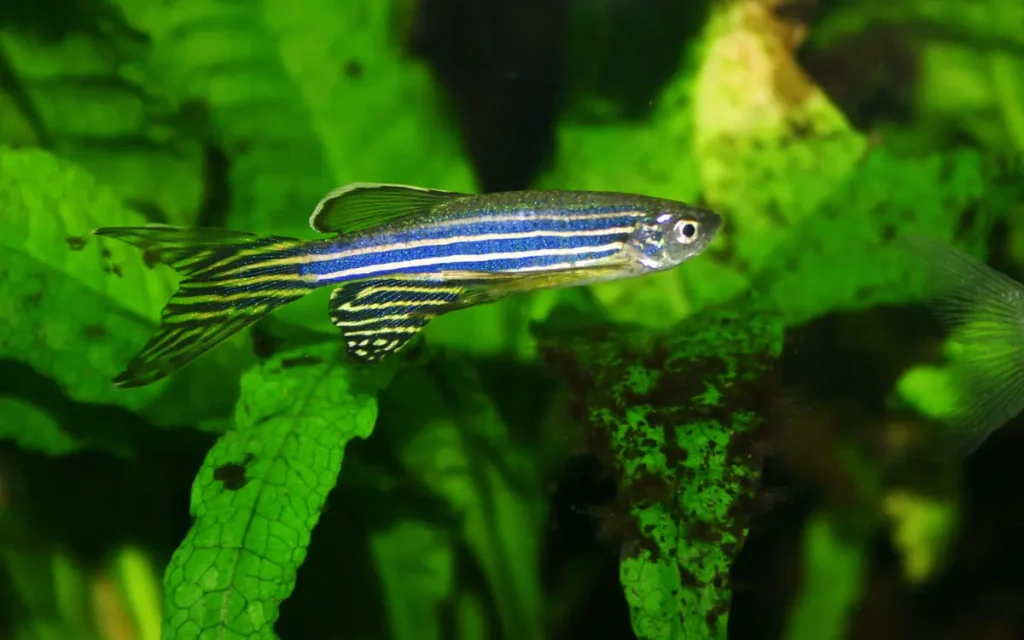
Zebra Danios have a slim, torpedo-shaped body with bold horizontal black and white stripes running from head to tail. They are fast swimmers and spend most of their time in the upper and middle levels of the tank.
Common varieties include:
- Standard striped Zebra Danio
- Longfin Zebra Danio (long flowing fins)
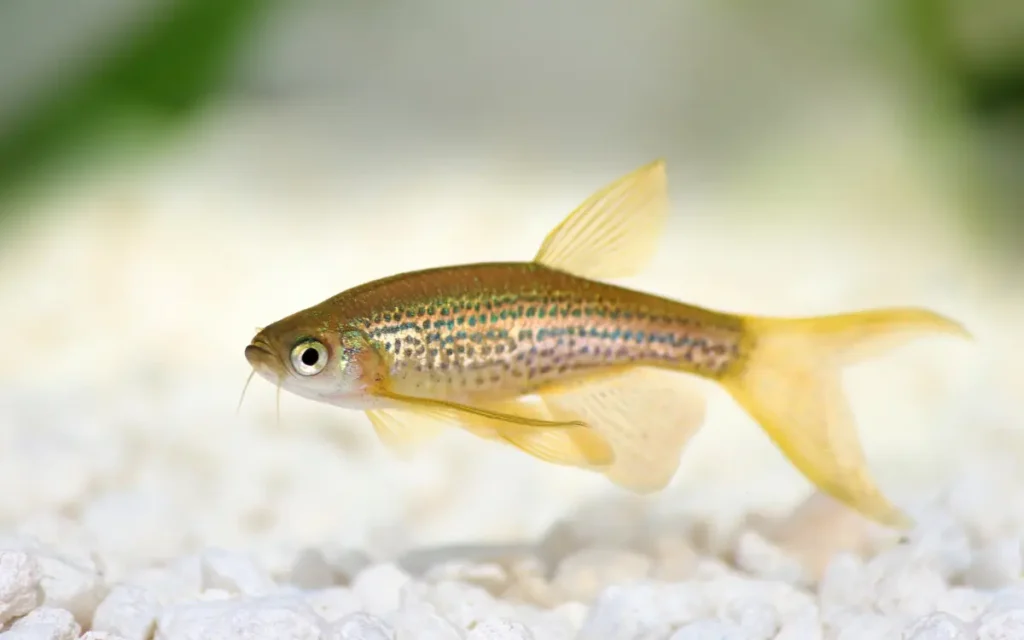
- Leopard Danio (spotted pattern)
How Big Do Zebra Danios Get?
Zebra Danios grow up to 2 inches (5 cm) as adults.
They grow faster and healthier when:
- kept in schools
- given a varied diet
- housed in larger tanks
In small or overcrowded tanks, growth can slow and stress increases.
How Long Do Zebra Danios Live?
Zebra Danios usually live 3 to 5 years, but with good care they can reach 6 years.
To maximize lifespan:
- maintain clean water
- feed a balanced diet
- avoid stress from poor tank mates
Ideal Tank Setup for Zebra Danios
Tank Size (How Many Zebra Danios Together?)
You should keep at least 6 Zebra Danios, but 8–10 is better.
- 10 gallon → minimum
- 20 gallon → ideal for active schooling
Keeping too few often leads to stress and fin nipping.
Water Conditions
Zebra Danios prefer slightly cooler water than most tropical fish.
- Temperature: 64–75°F
- pH: 6.5–7.5
- Flow: moderate current
They are hardy but still need stable conditions.
Filtration, Lighting & Maintenance (IMPORTANT)
This is where most beginners go wrong.
Filtration:
- Use a sponge filter or HOB filter
- Ensure gentle to moderate flow
Lighting:
- Low to moderate lighting
- Too much light can stress them
Maintenance Routine:
- 20–30% water change weekly
- Remove uneaten food
- Clean filter regularly (not with tap water)
Substrate and Decor
Zebra Danios need space to swim.
Best setup:
- sand or fine gravel
- plants along edges
- open center swimming area
Avoid overcrowding decorations.
What Do Zebra Danio Fish Eat?
Zebra Danios eat almost anything, but a balanced diet keeps them healthy.
Best diet:
- high-quality flakes or micro pellets (daily)
- frozen/live foods like brine shrimp, daphnia, bloodworms
- occasional plant-based food
Feeding Schedule (Very Important)
- Feed 1–2 times daily
- Only what they eat in 2–3 minutes
Common mistake: Overfeeding → dirty water → disease
Zebra Danio Behavior
Zebra Danios are energetic and always moving. Changes in behavior usually signal a problem.
Why Is My Zebra Danio Hiding?
Possible causes:
- too few fish (not enough school)
- aggressive tank mates
- poor water quality
- illness
Fix:
- increase group size
- test water
- remove aggressive fish
Why Is My Zebra Danio Getting Thin?
This should not be ignored.
Causes:
- not getting food (fast fish competition)
- parasites
- poor diet
Fix:
- ensure all fish are eating
- add protein-rich food
- isolate if needed
Zebra Danio Tank Mates (Safe vs Risky)
Zebra Danios are peaceful but very active.
Good Tank Mates
- tetras
- guppies
- platies
- rasboras
- Corydoras catfish
For beginners, pairing them with community fish like guppies works well. You can read a full setup guide here: Guppy fish guide
Fish to Avoid
- bettas
- angelfish
- slow or long-finned fish
Reason:
Zebra Danios may nip fins if bored or kept in small groups.
How to Tell Zebra Danio Gender (Male vs Female)
You can identify gender by body shape and color.
Males:
- slimmer body
- brighter colors
- more active
Females:
- rounder belly
- slightly duller color
- larger body
Females become more noticeably round when carrying eggs.
What Does a Pregnant Zebra Danio Look Like?
Zebra Danios do not get pregnant — they are egg-laying fish.
A female that looks “pregnant” is actually full of eggs.
Signs:
- swollen belly
- round body shape
- may stay near plants
This is normal and not harmful.
How Long Is a Zebra Danio Pregnant?
They are not pregnant, but egg development usually takes a few days.
If conditions are right, they can spawn frequently.
What Do Zebra Danio Eggs Look Like?
Zebra Danio eggs are:
- tiny
- transparent
- round
They usually fall to the bottom or stick to plants and are hard to notice.
How to Breed Zebra Danios (Step-by-Step)
- Set up a separate breeding tank
- Add plants or spawning mop
- Introduce male and female
- Spawning usually happens in the morning
- Remove adults immediately
- Eggs hatch in 2–3 days
Feed fry:
- infusoria first
- then baby brine shrimp
Beginner Mistakes to Avoid
This is where most people fail.
- keeping too few zebra danios
- overcrowding the tank
- mixing with slow fish
- overfeeding
- skipping water changes
Fix these, and you avoid most problems.
Daily Care Checklist
- Feed fish once or twice
- Watch for unusual behavior
- Remove uneaten food
- Check temperature
Weekly:
- water change
- light cleaning
Common Zebra Danio Problems
Ich (white spots):
- caused by stress
- treat quickly
Fin nipping:
- caused by boredom or small groups
Stress:
- poor water or wrong tank mates
Prevention is always easier than treatment.
FAQs
How do I know if my zebra danio is pregnant?
They are not pregnant. A swollen belly means the female is carrying eggs.
How many zebra danios should be kept together?
At least 6, but 8–10 is ideal.
Can zebra danios live alone?
No. They are schooling fish and need a group.
Why is my zebra danio hiding?
Usually due to stress, illness, or poor tank conditions.
Why is my zebra danio skinny?
Possible causes include poor diet, parasites, or food competition.
Final Thoughts
Zebra Danios are one of the most reliable fish you can keep. They are hardy, active, and forgiving, which makes them perfect for beginners.
Focus on group size, clean water, and proper feeding — and they will stay healthy, energetic, and enjoyable for years.
 **2. Platy** Platies are hardy and easygoing. They enjoy swimming in groups and come in a variety of bright colors. Great for peaceful community tanks. ➡️ [Platy Fish Guide →](#) **3. Zebra Danio** Known for their energy and toughness, zebra danios are perfect for cycling new tanks. They tolerate a wide range of conditions and like to dart around in groups. ➡️ [Zebra Danio Guide →](#) **4. Corydoras Catfish** Peaceful bottom-dwellers that help keep your tank clean. Keep them in groups of 3 or more and give them soft substrate. ➡️ [Cory Catfish Care →](#) **5. Molly** Adaptable to various water conditions (even brackish), mollies are lively and great for community aquariums. ➡️ [Molly Fish Care Guide →](#) **6. Swordtail** Easy to care for and great in peaceful groups. Males have a signature sword-like tail and love swimming space. ➡️ [Swordtail Fish Guide →](#) **7. Betta Fish** Low-maintenance and visually stunning. Best kept alone or with very peaceful tank mates like snails or Corydoras. ➡️ [Full Betta Fish Care Guide →](#) **8. Neon Tetra** Small and peaceful, neon tetras love to school and light up a planted tank. Keep them in groups of 6 or more. ➡️ [Neon Tetra Care Guide →](https://oceanbitez.com/neon-tetras/) **9. Harlequin Rasbora** A calm and schooling species that fits right into community setups. Easy to feed and care for. ➡️ [Harlequin Rasbora Guide →](#) **10. Dwarf Gourami** A gentle and colorful addition to a beginner’s tank. Likes planted environments and peaceful neighbors. ➡️ [Dwarf Gourami Guide →](#) **11. White Cloud Mountain Minnow** Can live in cooler temperatures and is perfect for unheated tanks. Small, peaceful, and easy to care for. ➡️ [White Cloud Minnow Guide →](#) **12. Cherry Barb** Peaceful and social, cherry barbs do well in planted tanks and enjoy being in small groups. ➡️ [Cherry Barb Care →](#) --- ### Sample Beginner Tank Combos **Combo 1: 10–15 Gallon Easy Starter** * 4–6 Guppies * 3 Corydoras Catfish * 1 Nerite Snail **Combo 2: 20 Gallon Planted Community** * 6 Harlequin Rasboras * 6 Neon Tetras * 1 Dwarf Gourami * 3 Otocinclus (optional if algae control is needed) --- ### Beginner Tips for a Successful Aquarium * Cycle your tank before adding fish (ammonia → nitrite → nitrate) * Start with hardy species before delicate ones * Feed small amounts once or twice daily * Do weekly partial water changes (20–30%) * Don’t mix aggressive or fin-nipping species * Use a heater for tropical fish (75–80°F) --- ### Final Thoughts These beginner fish are ideal for getting started in the hobby without frustration. They're low-maintenance, compatible, and fun to watch. Once you’re comfortable, you can explore more advanced species and community combinations. ➡️ Check out our full guide to [Freshwater Aquarium Fish →](https://oceanbitez.com/freshwater-fish/)](https://oceanbitez.com/wp-content/uploads/2024/06/Best-Freshwater-Fish-for-Your-Aquarium-1024x640.webp)