Guppy Fish Care Guide: Tank Setup, Diet, Breeding & Lifespan
Guppy fish are one of the easiest freshwater fish to keep. They are small, colorful, and active, making them perfect for beginners. With the right care, guppies live around 2–3 years, grow up to 2–2.5 inches, and breed quickly in a well-maintained tank.
Most problems beginners face like sudden deaths or diseases come from simple mistakes such as poor water quality, overfeeding, or keeping them in a tank that’s too small. The good news is that guppies are hardy, and once you get the basics right, they thrive without much effort.
If you’re starting out, focus on three things: clean water, proper feeding, and a stable environment. A simple setup with the right tank size, filter, and peaceful tank mates will keep your guppies healthy and active.
In this guide, you’ll learn everything step by step from tank setup and feeding to breeding and lifespan—so you can care for guppies confidently without confusion.
What Is a Guppy Fish?
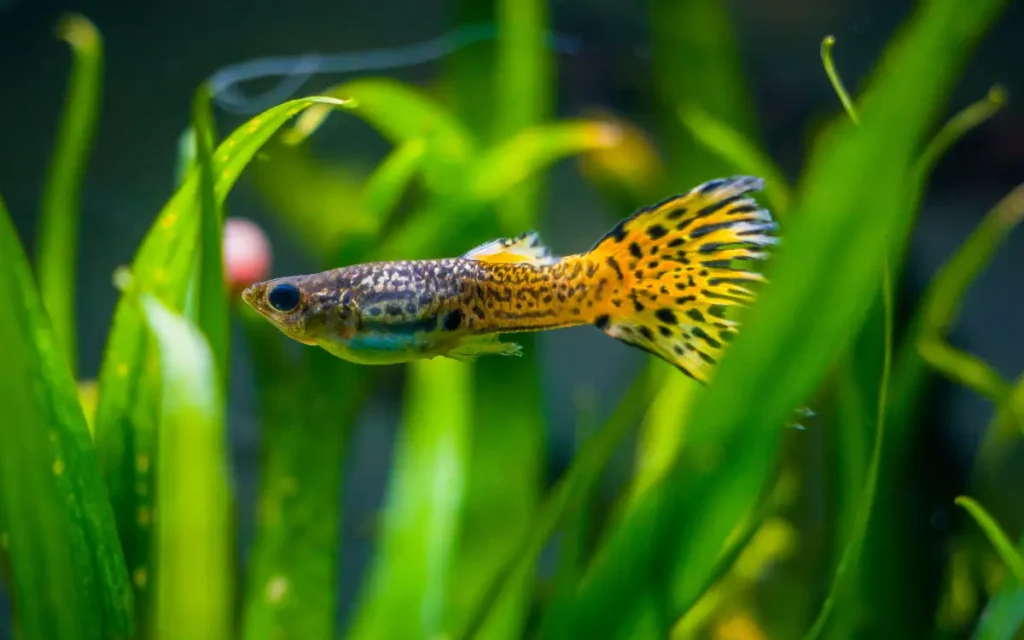
Guppy fish are small, colorful freshwater fish known for their bright patterns and easy care. They belong to the species Poecilia reticulata and are one of the most popular aquarium fish for beginners.
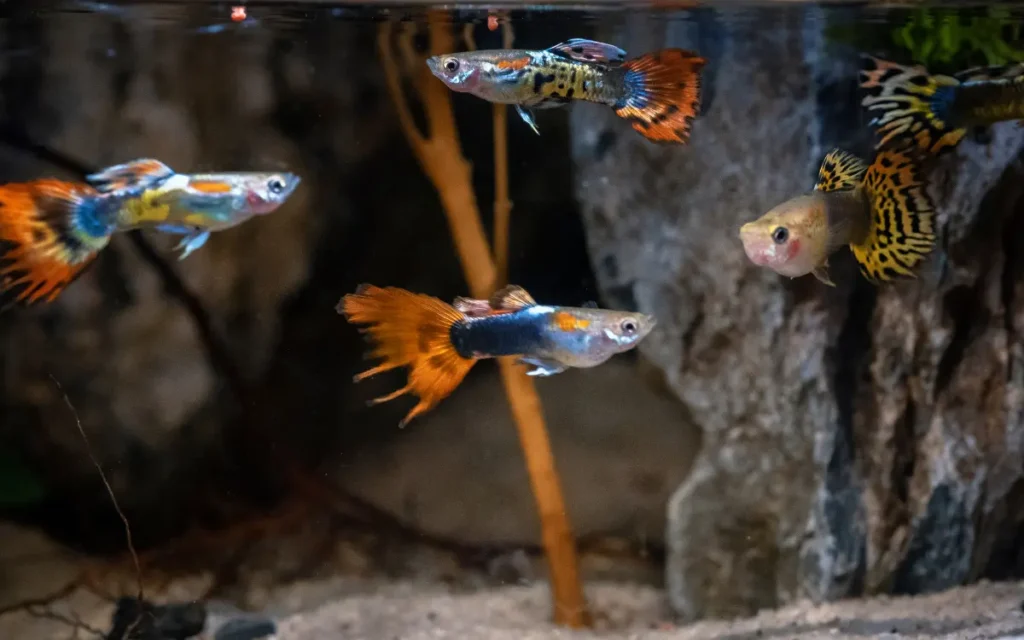
Guppies are active swimmers, peaceful in nature, and come in many color variations. You’ll often see them with flowing tails, especially males, which makes them stand out in any tank.
What Does a Guppy Fish Look Like?
- Males: Smaller, brighter colors, long decorative tails
- Females: Larger, duller colors, shorter fins
- Wide range of colors like red, blue, yellow, and multi-pattern
If you want to explore different varieties, check this guide: Types of guppies
Where Do Guppy Fish Come From?
Guppy fish come from South America, mainly countries like Venezuela, Trinidad, and Barbados. They naturally live in warm freshwater streams and ponds.
Today, guppies are found all over the world because they adapt easily to different environments. This is one reason they are so easy to keep in home aquariums.
How Big Do Guppy Fish Get? (Quick Answer First)
Guppies stay small, which makes them perfect for home tanks.
- Male guppies: 1.5 to 2 inches
- Female guppies: 2 to 2.5 inches
Their size depends on:
- Tank space
- Diet quality
- Overall care
How Long Do Guppy Fish Live?
Guppy fish usually live 2 to 3 years with proper care.
Some may live longer if:
- Water stays clean
- Diet is balanced
- Stress is low
Short lifespan is often linked to:
- Poor water quality
- Overfeeding
- Overcrowding
Simple care habits can easily extend their life.
What Do Guppy Fish Eat?
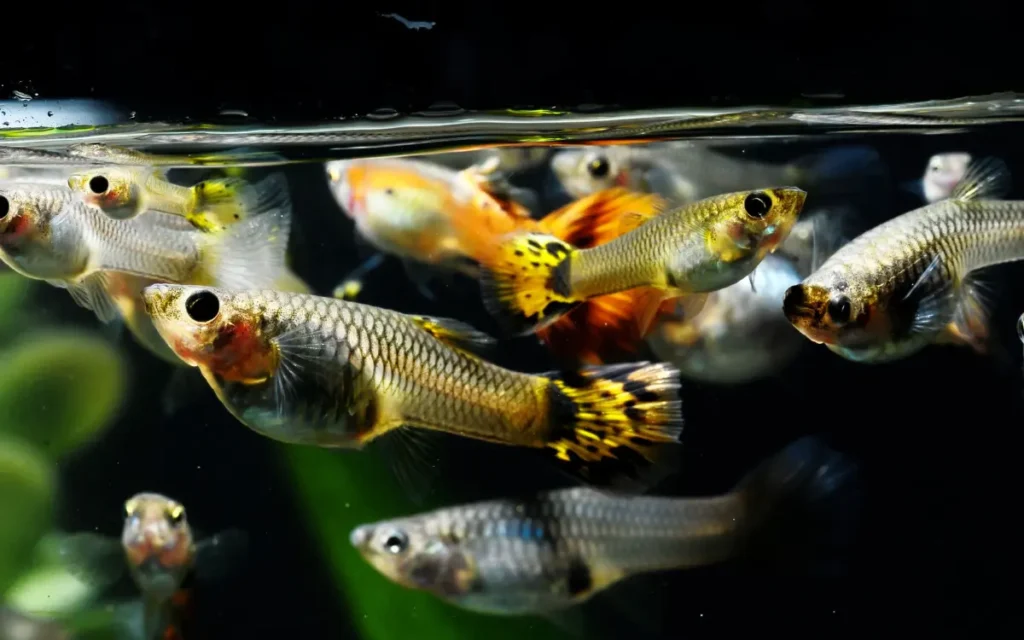
Guppies eat a mix of flakes, pellets, live food, and frozen food. They are not picky eaters, but feeding the right way keeps them healthy.
Simple Feeding Guide
- Feed 1–2 times daily
- Give only what they can eat in 1–2 minutes
- Mix dry food with occasional live or frozen food
Best Food Options
- High-quality flakes
- Micro pellets
- Brine shrimp
- Daphnia
Avoid overfeeding—it causes water problems and health issues fast.
Guppy Tank Setup (Beginner Setup That Works)
Guppies don’t need complicated setups, but they do need stable conditions.
Quick Setup
- Tank size: Minimum 10 gallons
- Temperature: 24–28°C
- Filter: Yes (essential)
- Heater: Recommended
- Lighting: Moderate
What to Add
- Gravel or sand substrate
- Live or artificial plants
- Hiding spots
Plants help reduce stress and improve water quality. You can explore good options here: Guppy plant guide
Tank Mates Compatibility (Avoid This Mistake)
Choosing the wrong tank mates is one of the fastest ways to stress or kill guppies.
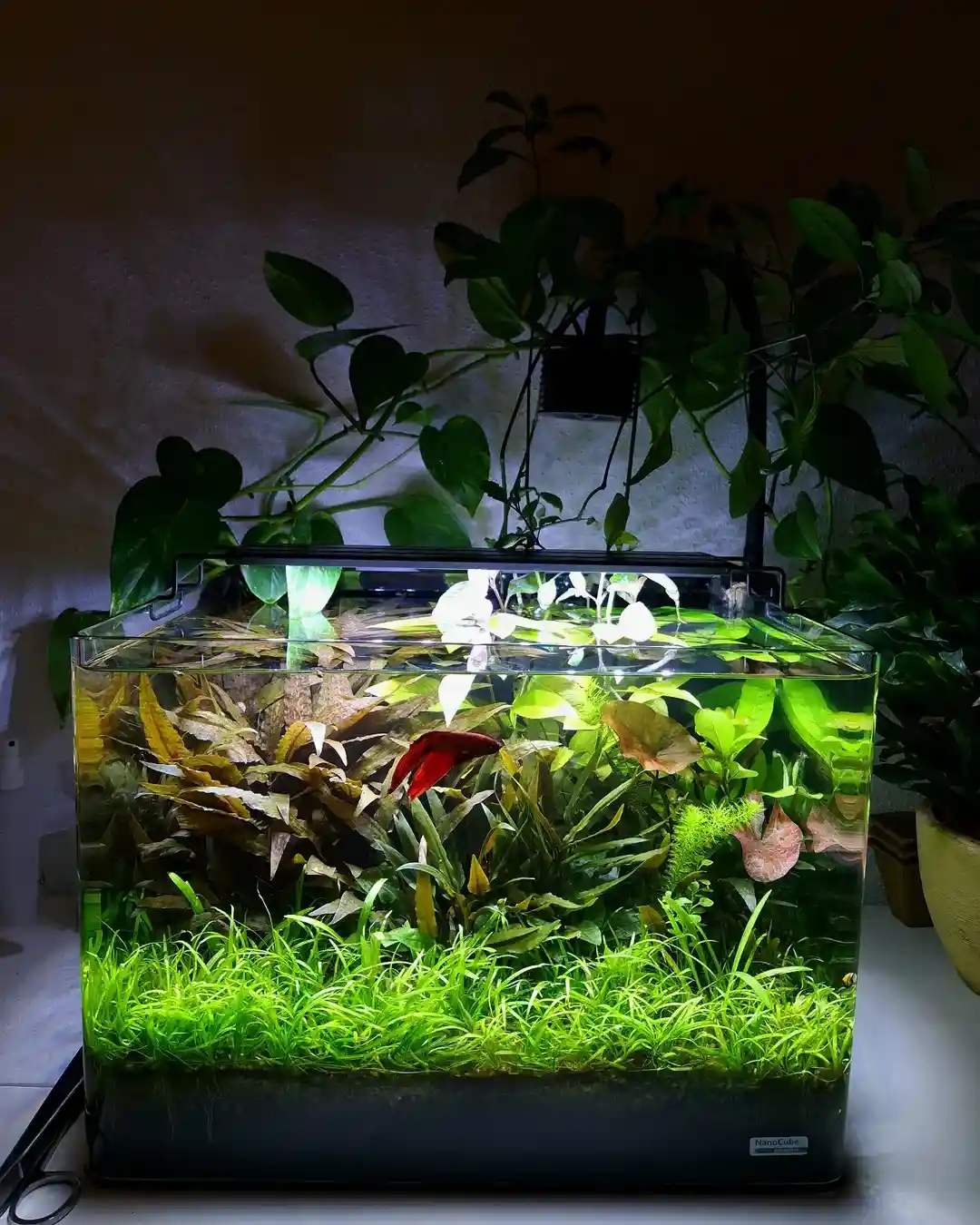
Can Betta Fish Live With Guppies?
- Risky combination
- Bettas may attack guppies (especially colorful males)
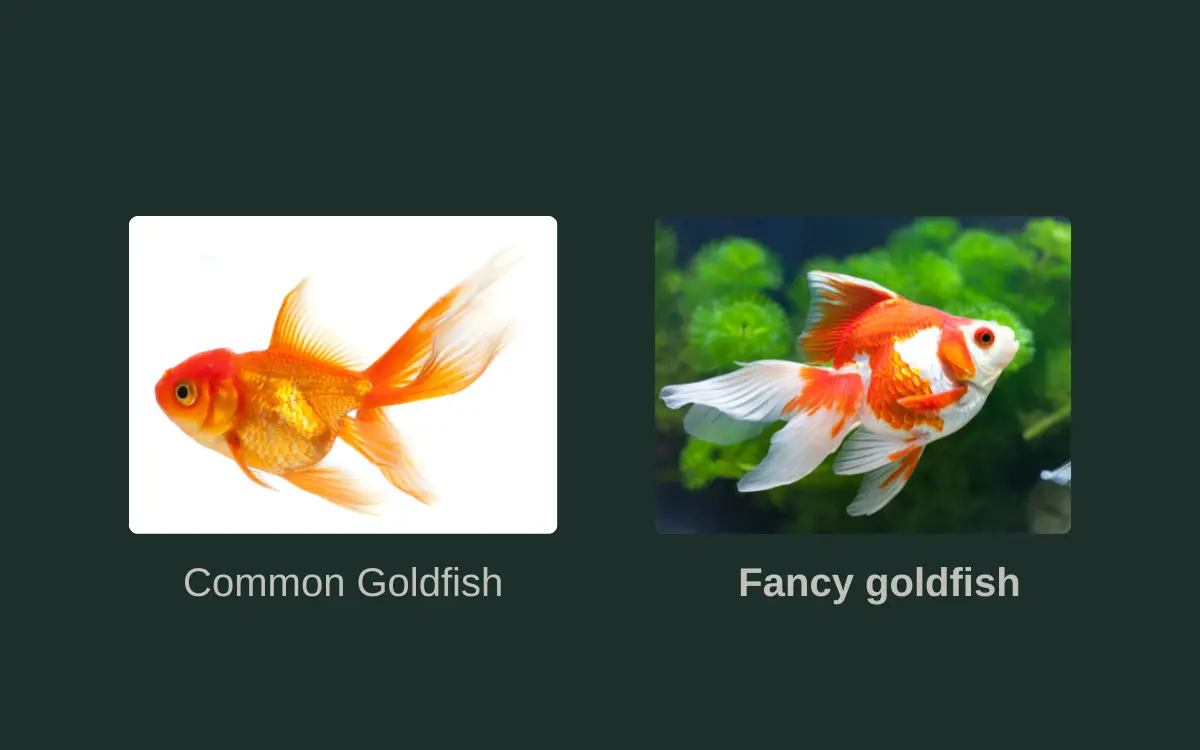
Can Guppies Live With Goldfish?
- No
- Goldfish need colder water and produce more waste
Safe Tank Mates
- Small peaceful fish
- Non-aggressive species
For a full list: Guppy tank mates
Guppy Breeding Guide (Quick Answer First)
Guppies breed easily without any special setup. A healthy male and female in the same tank will start breeding naturally.
How Do Guppy Fish Mate?
The male chases the female and uses a specialized fin (gonopodium) to fertilize her internally. This happens quickly, and you may not even notice it.
Once fertilized, the female can store sperm and give birth multiple times without mating again.
How to Breed Guppies Faster
- Keep water clean and stable
- Feed high-quality food (live + protein-rich)
- Maintain temperature around 26–28°C
- Keep more females than males (reduce stress)
For a full step-by-step guide: Guppy breeding guide
Guppy Pregnancy Explained (Quick Answer First)
Guppy pregnancy lasts 21–30 days. During this time, the female develops a larger belly and shows clear signs before giving birth.
How to Know If a Guppy Is Pregnant
- Dark spot near the back (gravid spot)
- Belly becomes round and then box-shaped
- Slower movement
- Hiding behavior
As birth gets closer, the belly looks more square than round.
How Many Babies Do Guppies Have? (Quick Answer First)
A female guppy can give birth to 20–50 babies (fry) at a time.
In ideal conditions, they can reproduce every month, which means your tank can quickly become overcrowded if you don’t manage it.
Important Tip
Adult guppies may eat their babies, so:
- Add plants for hiding
- Or separate the fry
Common Guppy Care Mistakes (That Kill Fish Fast)
Most beginners lose guppies because of simple mistakes, not complex problems.
Overfeeding
- Leads to dirty water
- Causes bloating and disease
Fix: Feed small amounts only
Small Tank Size
- Causes stress and poor water quality
Fix: Use at least a 10-gallon tank
Skipping Water Changes
- Toxins build up quickly
Fix: Weekly 25–30% water change
Mixing Wrong Fish
- Aggressive fish attack guppies
- Stress leads to disease
Fix: Choose peaceful tank mates only
No Quarantine for New Fish
- Introduces disease into the tank
Fix: Isolate new fish for 1–2 weeks
Where to Buy Guppy Fish (Quick Answer First)
You can buy guppy fish from:
- Local aquarium stores (best for beginners)
- Online breeders (better quality varieties)
- Aquarium hobby groups
How to Choose Healthy Guppies
- Bright colors
- Active swimming
- No torn fins or white spots
- Clear eyes
Avoid fish that look weak or stay at the bottom.
Quick Care Checklist
- Tank: 10+ gallons
- Temperature: 24–28°C
- Feeding: 1–2 times daily
- Water change: Weekly
- Lifespan: 2–3 years
- Behavior: Active and social
FAQs
How long do guppy fish live?
Guppies live around 2–3 years with proper care, clean water, and a good diet.
What do guppy fish eat daily?
They eat flakes, pellets, and occasional live or frozen food. Feed small portions once or twice a day.
How long are guppies pregnant?
Guppies stay pregnant for about 21–30 days before giving birth.
How many babies do guppies have?
A female guppy usually gives birth to 20–50 fry at once.
Can guppies live with betta fish?
It’s risky. Bettas may attack guppies, especially males with bright colors.
Can guppies live with goldfish?
No. They need different water conditions and temperatures.
How big do guppies grow?
Guppies grow up to 1.5–2.5 inches depending on gender.
How do guppies mate?
The male fertilizes the female internally. The female then carries the babies until birth.
How to know if a guppy is pregnant?
Look for a dark gravid spot, growing belly, and slower movement.
Are guppies good for beginners?
Yes, guppies are one of the easiest fish to care for and perfect for beginners.