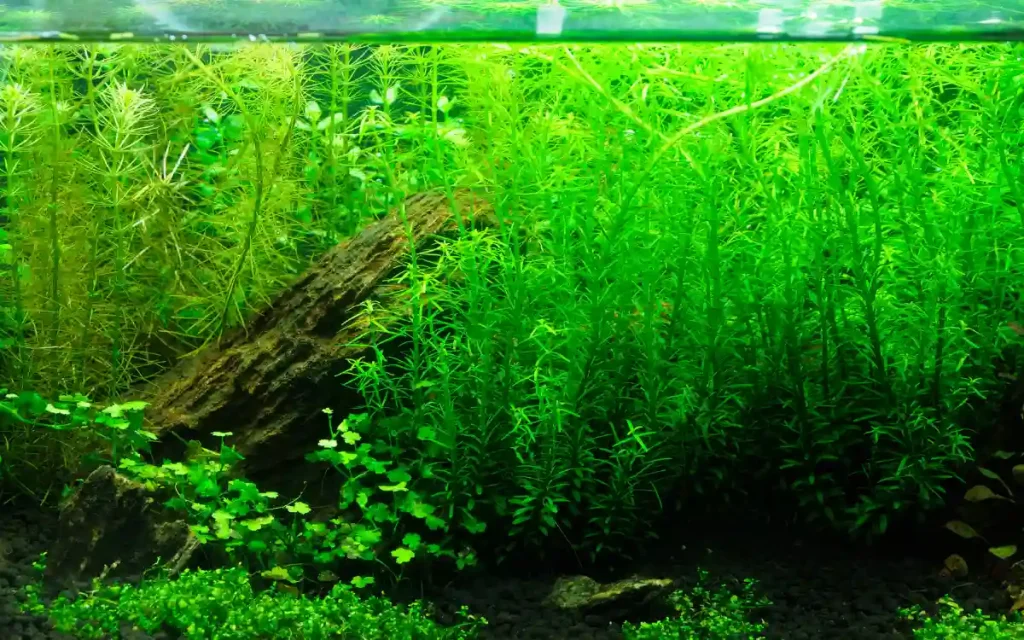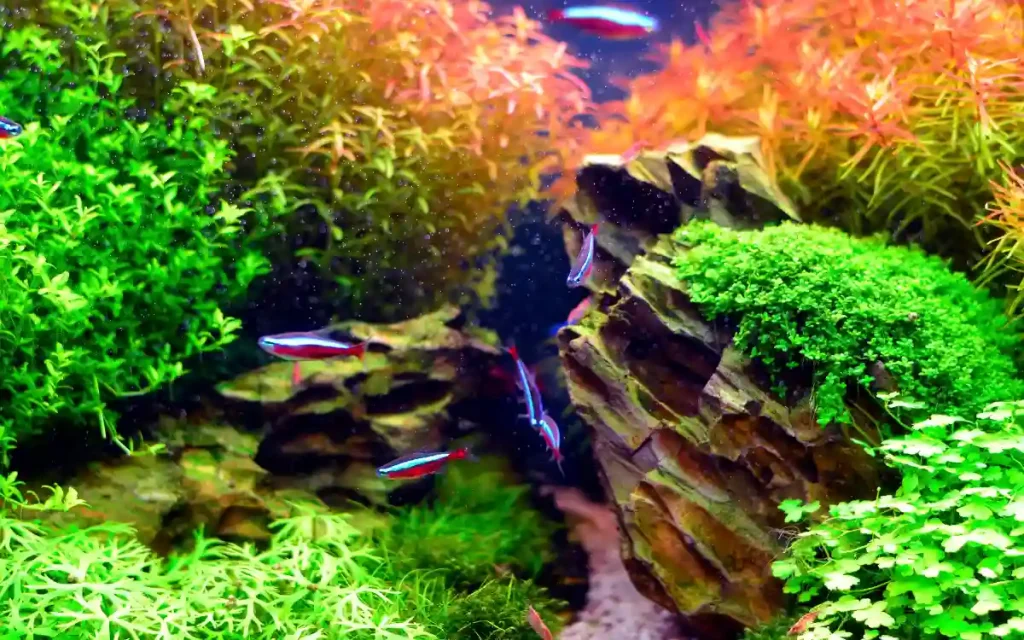
Adding live plants to your goldfish tank makes it look more natural and helps keep the water clean. But if you’ve tried this before, you might know that goldfish can be plant destroyers! These curious fish often nibble on, dig up, or knock over aquarium plants.
The good news is that some tough plants can survive and even thrive in a goldfish tank. In this guide, we’ll show you:
- Which plants work best with goldfish
- How to keep your plants safe from hungry goldfish
- Tips for setting up a beautiful planted goldfish tank
- Solutions to common problems
Let’s discover how to create a green, healthy home for your goldfish!
Why Add Plants to Your Goldfish Tank?
Before we look at specific plants, let’s talk about why live plants are great for goldfish tanks:
Benefits of Live Plants
- Better water quality: Plants absorb harmful chemicals like ammonia and nitrates
- Natural oxygen: Plants release oxygen into the water during the day
- Algae control: Plants compete with algae for nutrients
- Stress reduction: Plants provide hiding spots and make fish feel safer
- Natural behavior: Plants let goldfish explore and forage like they would in nature
Understanding Goldfish Behavior
Goldfish can be tough on plants because:
- They love to dig in substrate
- They enjoy testing things with their mouths
- They’re big and can knock plants over as they swim
- They produce a lot of waste, which can harm sensitive plants
With these challenges in mind, let’s look at the best plants for goldfish tanks.
Best Plants for Goldfish Tanks
These hardy plants can stand up to goldfish antics while adding beauty to your tank:
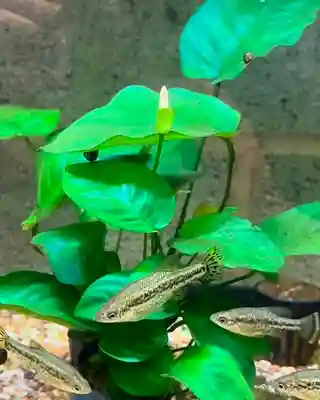
1. Anubias
Why they work well:
- Very tough, leathery leaves that goldfish rarely eat
- Grows attached to decorations, not planted in substrate
- Survives in low to bright light
- Grows slowly, requiring little maintenance
Popular types:
- Anubias barteri
- Anubias nana (smaller version)
- Anubias nana ‘Petite’ (tiny version)
Tank tip: Attach Anubias to rocks or driftwood using cotton thread or aquarium-safe glue. Make sure the thick root part (rhizome) stays above the gravel.
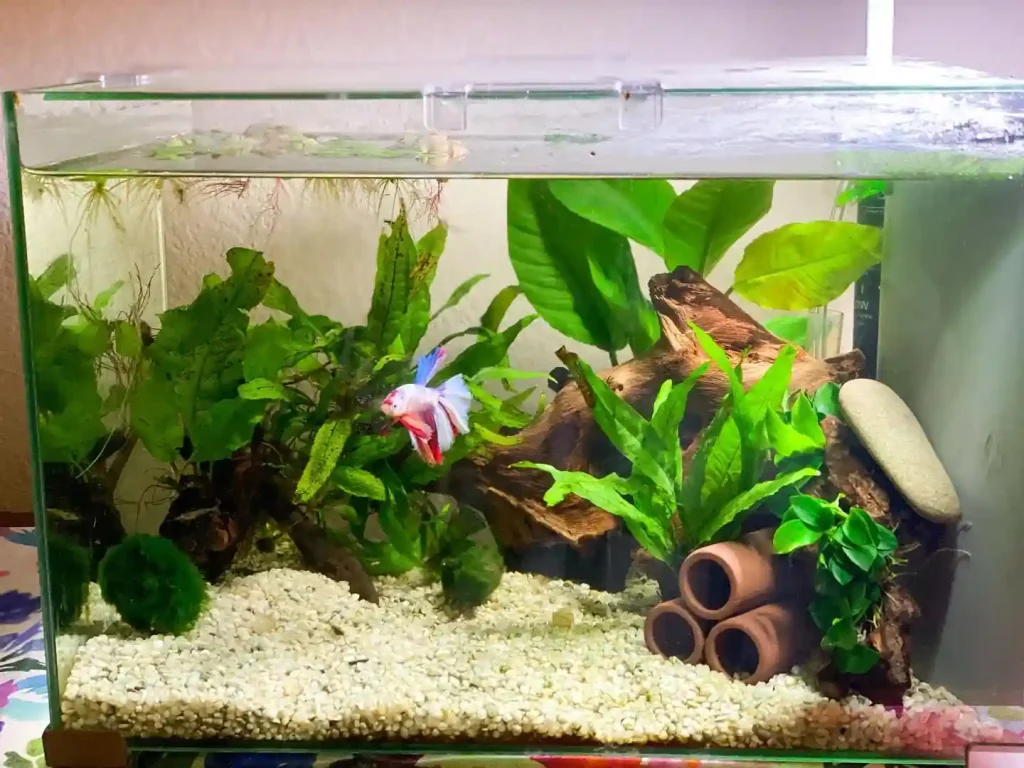
2. Java Fern
Why they work well:
- Tough leaves that taste bitter to fish
- Attaches to decorations rather than substrate
- Very hardy and hard to kill
- Does well in low to medium light
Popular types:
- Regular Java Fern
- Windelov Java Fern (with fancy leaf tips)
- Narrow Leaf Java Fern
Tank tip: Like Anubias, attach Java Fern to decorations and keep the rhizome exposed. New baby plants will grow on the leaves over time!
3. Amazon Sword Plants
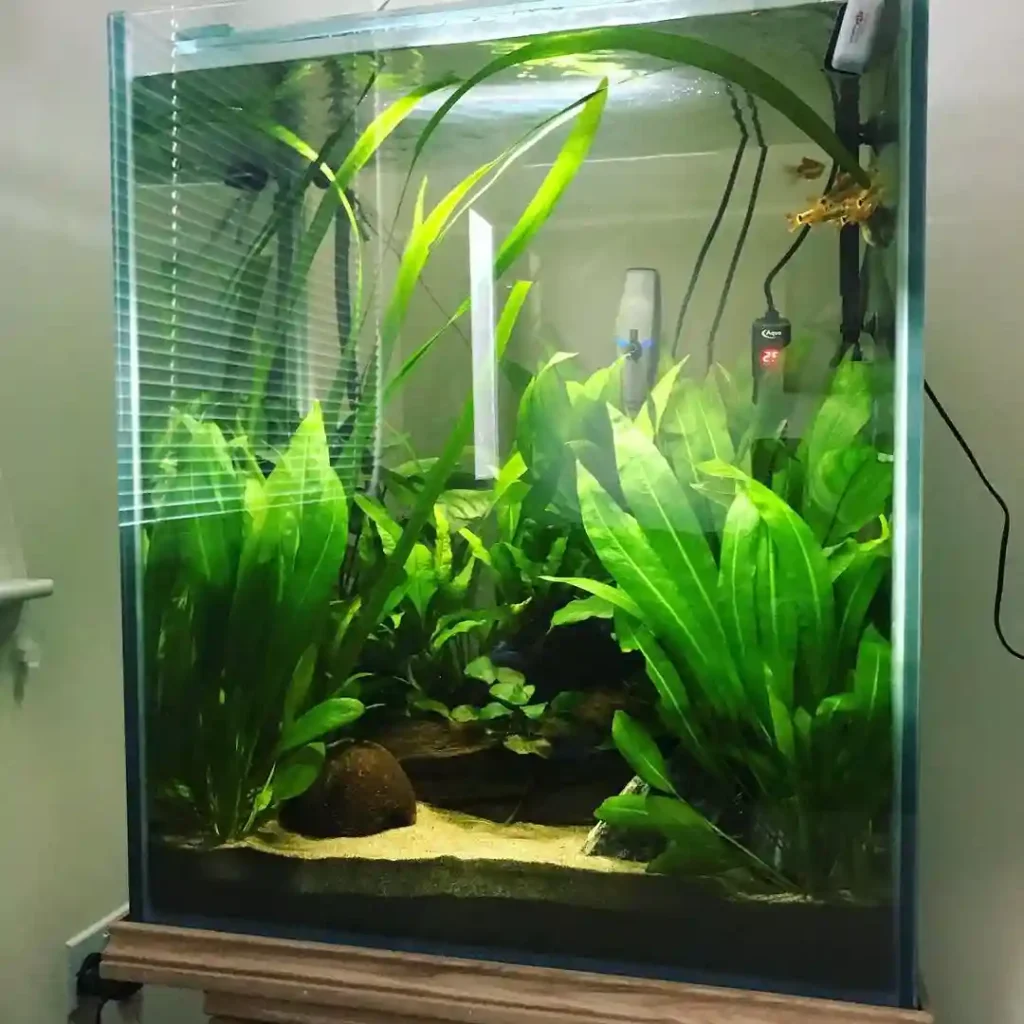
Why they work well:
- Grows large and sturdy
- Can recover well from nibbling
- Has a strong root system
- Creates a impressive focal point
Tank tip: Plant Amazon Swords in deep substrate and use plant weights or large rocks at the base to prevent goldfish from uprooting them. These plants get big, so they’re best for larger tanks.
4. Vallisneria
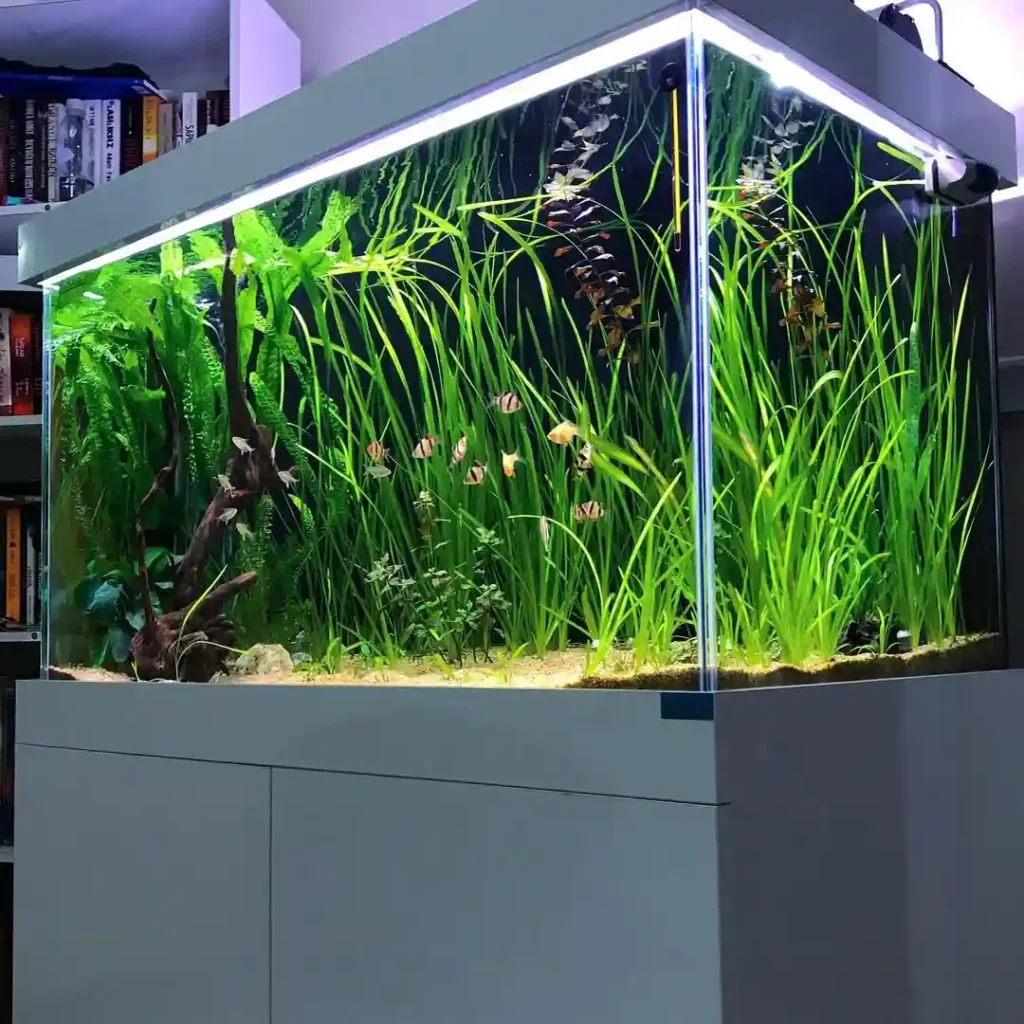
Why they work well:
- Grows quickly, so it can outpace some nibbling
- Creates a grass-like background
- Spreads through runners to create more plants
- Helps remove nitrates from water
Popular types:
- Jungle Val (very tall)
- Corkscrew Val (spiraling leaves)
- Italian Val (shorter variety)
Tank tip: Plant Vallisneria in bunches at the back of the tank. The long, flowing leaves provide great hiding spots for goldfish.
5. Java Moss
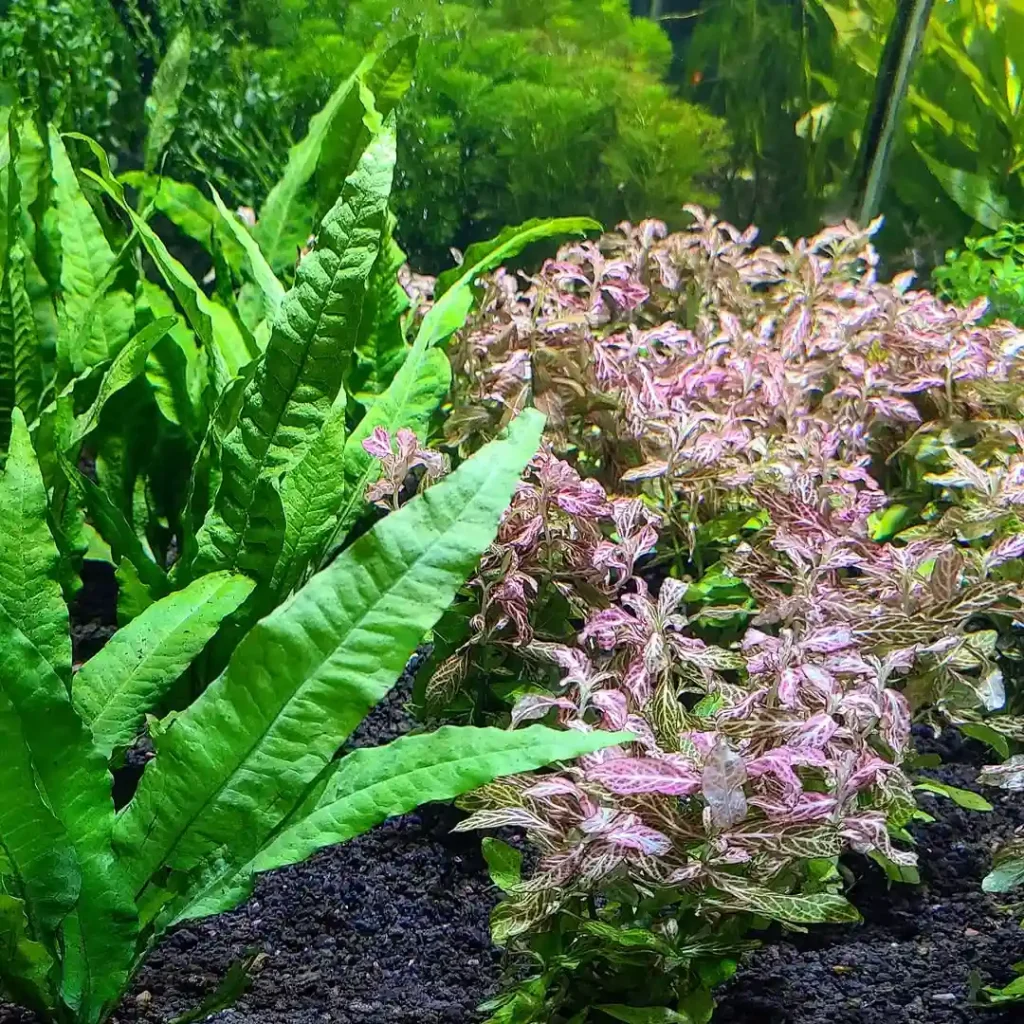
Why they work well:
- Grows in tangles that are hard for goldfish to destroy
- Attaches to any surface
- Very adaptable to different conditions
- Provides spawning sites if your goldfish breed
Tank tip: Attach Java Moss to rocks or driftwood using fishing line or aquarium-safe mesh until it grips the surface naturally.
6. Marimo Moss Balls
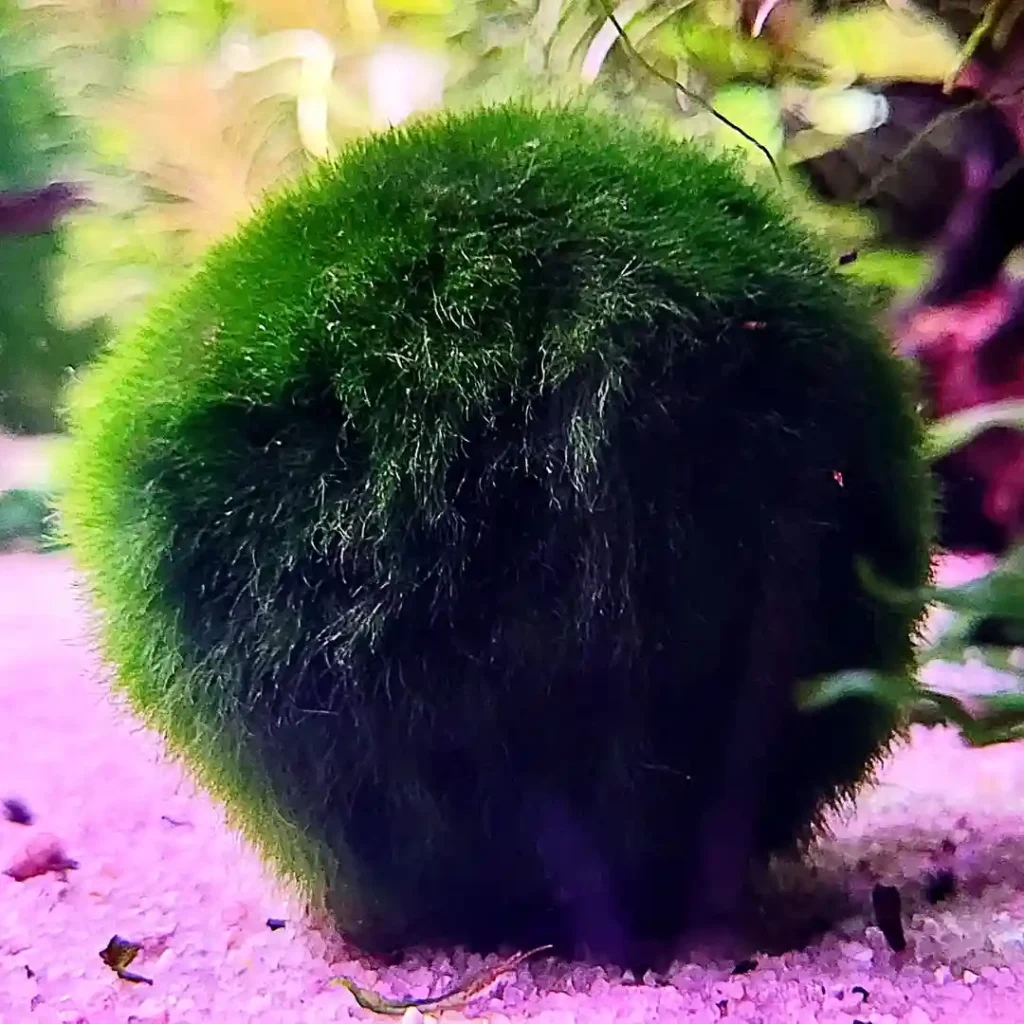
Why they work well:
- Not actually a plant but a form of algae
- Too dense for goldfish to damage easily
- Require almost no care
- Can be moved around the tank easily
Tank tip: Rinse moss balls occasionally and roll them around to keep their round shape. Goldfish often push them around the tank like toys!
7. Hornwort
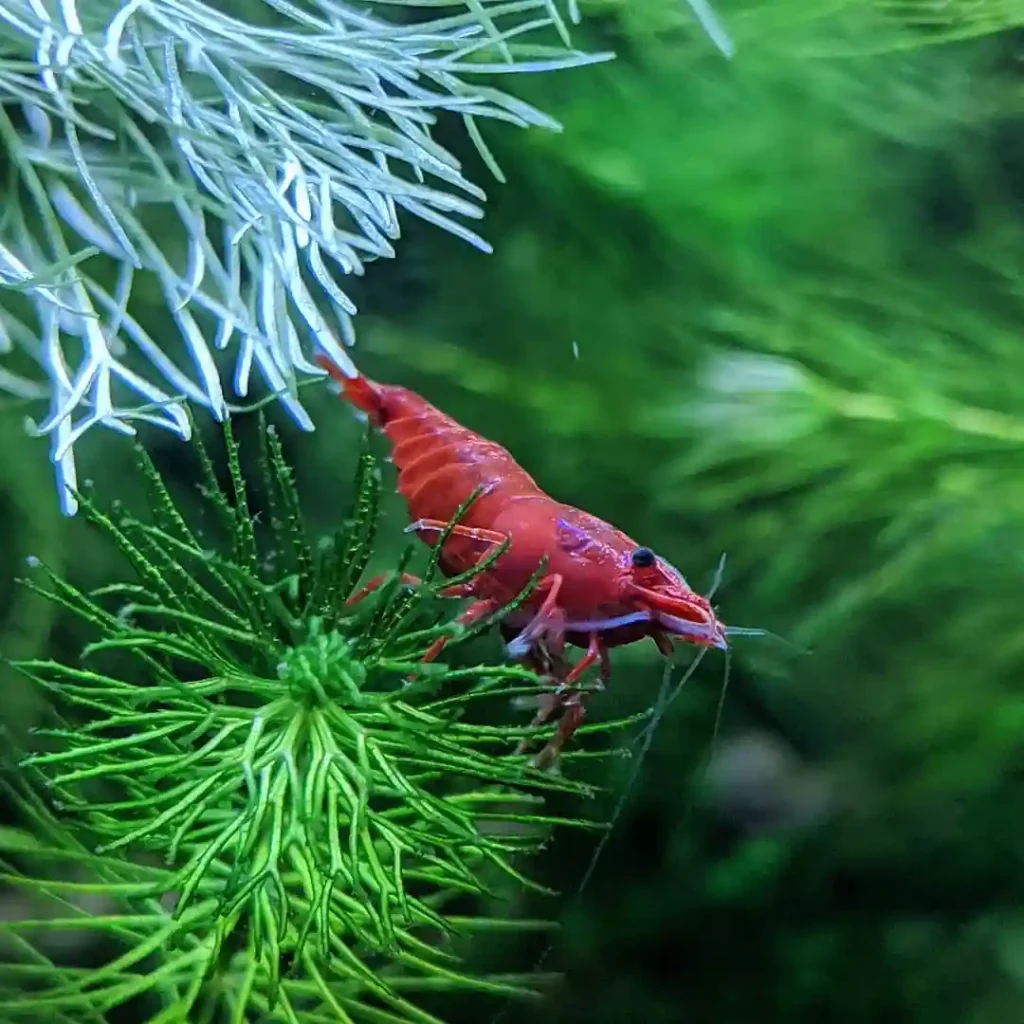
Why they work well:
- Grows extremely fast
- Can be left floating or weighted down
- Very effective at removing nitrates
- Provides shelter for goldfish
Tank tip: Hornwort can shed its needles when first introduced to a new tank. This is normal, and the plant will adjust after a few weeks.
8. Water Sprite
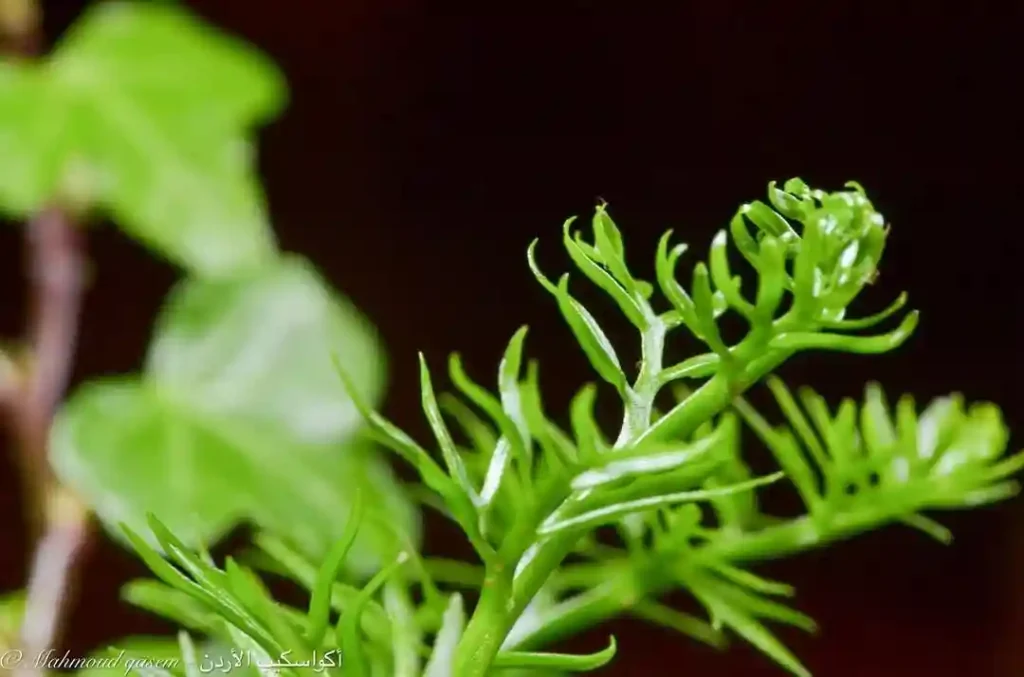
Why they work well:
- Can be planted or left floating
- Grows quickly even if nibbled
- Delicate, lacy appearance
- Excellent for removing nitrates
Tank tip: If your goldfish eat planted Water Sprite, try leaving it floating at the surface instead.
9. Cryptocoryne Wendtii
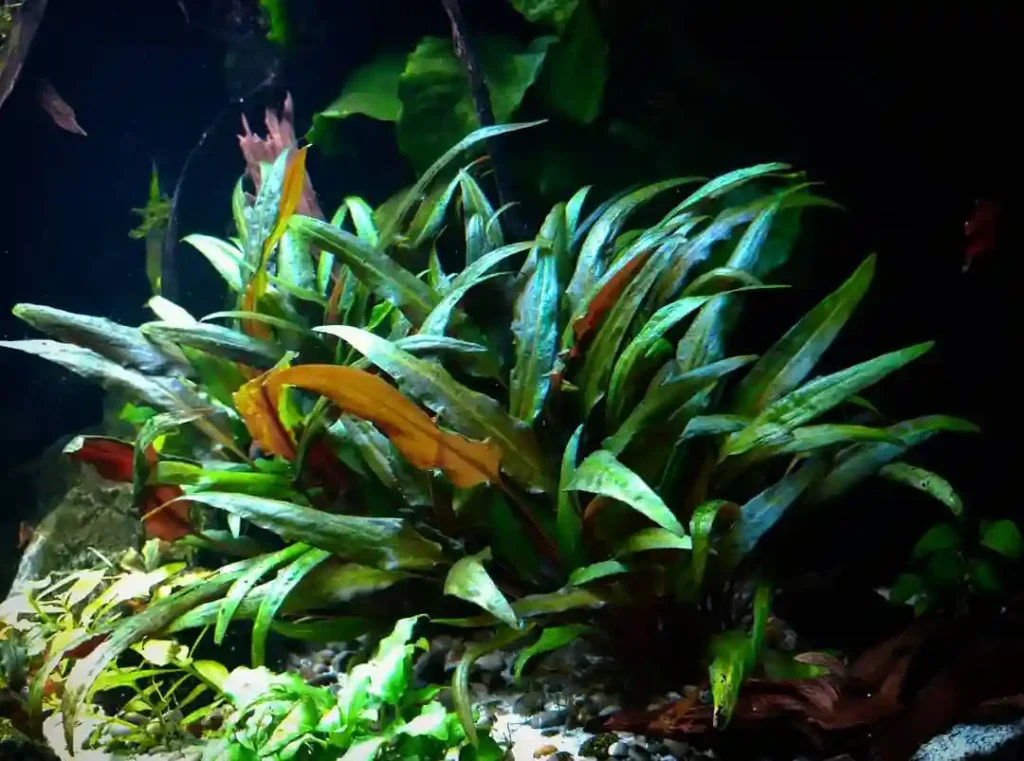
Why they work well:
- Tough leaves that goldfish usually avoid
- Comes in different colors (green, brown, red)
- Stays relatively small
- Very hardy once established
Tank tip: Crypts can “melt” when first planted or if conditions change, but don’t remove them. They’ll often regrow from the roots!
10. Bucephalandra
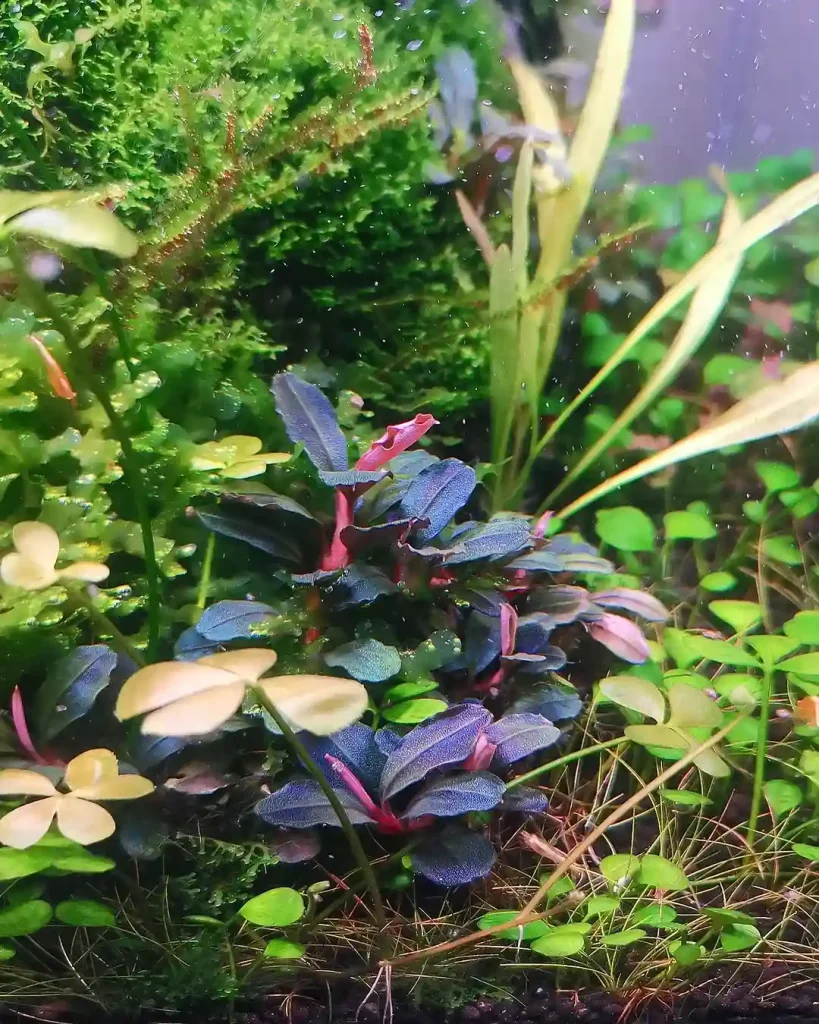
Why they work well:
- Tough, leathery leaves similar to Anubias
- Many unique varieties with different colors
- Attaches to hardscape rather than substrate
- Slow-growing and low-maintenance
Tank tip: Bucephalandra (or “Buce”) is more expensive than other plants but very hardy for goldfish tanks. Attach it to rocks or driftwood like Anubias.
Plants to Avoid With Goldfish
Some plants just don’t stand a chance with goldfish:
Too Delicate
These plants are typically eaten or destroyed quickly:
- Cabomba
- Egeria/Elodea
- Duckweed (goldfish love to eat this!)
- Most stem plants with soft leaves
Difficult Water Conditions
These plants need different water conditions than goldfish prefer:
- Most carpet plants
- Plants requiring CO2 injection
- Plants needing very soft water
Setting Up Your Planted Goldfish Tank
Follow these steps for success with plants in a goldfish tank:
Substrate Choices
Goldfish love to dig, so choose:
- Larger gravel: Harder for goldfish to move
- Plant substrates: Available in larger granule sizes
- River stones: Can be placed around plant bases for protection
Lighting Requirements
Most goldfish-friendly plants need:
- Low to medium light: 6-8 hours daily
- Simple LED fixtures: Work well for these hardy plants
- Timer: To maintain consistent lighting schedule
Protecting Your Plants
Try these tricks to keep plants safe:
- Plant baskets: Hide under gravel to protect roots
- Decorative rocks: Place around plant bases
- Terracotta pots: Plant inside these, then place in tank
- Mesh covers: For newly planted specimens
Plant Care in Goldfish Tanks
Maintaining plants with goldfish requires some special care:
Fertilization
- Root tabs: Great for heavy root feeders like Amazon Swords
- Liquid fertilizers: Use half-dose to prevent algae
- Schedule: Fertilize less often than in non-goldfish tanks
Pruning and Maintenance
- Remove damaged leaves: Cut off any nibbled or decaying parts
- Control fast growers: Trim Hornwort and Vallisneria regularly
- Clean gently: Wipe leaves carefully during water changes
Dealing with Goldfish Destruction
If your goldfish won’t leave plants alone:
- Try feeding more vegetables (blanched spinach, lettuce, zucchini)
- Add more plants than you need, expecting some losses
- Feed twice daily with quality goldfish food to reduce plant nibbling
- Start with the toughest plants on our list first
Faq’s
Can goldfish live in a heavily planted tank?
Yes! Goldfish can thrive in planted tanks, but you need to choose hardy plants and properly secure them. The plants actually help create a healthier environment by removing waste products from the water.
How do I attach plants like Anubias and Java Fern?
You can use:
- Cotton thread (it dissolves over time)
- Fishing line
- Plant-safe super glue (cyanoacrylate)
- Plant weights
- Small rocks to hold roots against decorations
My goldfish keep uprooting my plants. What can I do?
Try these solutions:
- Use terracotta pots buried in the substrate
- Create a rock border around plant bases
- Use plant anchors or weights
- Start with floating plants or attached plants only
You can used this plants mostly all of type aquarium goldfish
Do I need special equipment for plants in my goldfish tank?
Not really! The hardy plants we’ve recommended don’t need CO2 systems or special lights. A standard aquarium light on a timer and some basic fertilizer is usually enough.
Plant Compatibility Chart for Goldfish Tanks
| Plant Name | Light Needs | Growth Rate | Planting Method | Goldfish Resistance |
| Anubias | Low-Medium | Very Slow | Attach to décor | Excellent |
| Java Fern | Low-Medium | Slow | Attach to décor | Excellent |
| Amazon Sword | Medium | Medium | In substrate | Good |
| Vallisneria | Medium | Fast | In substrate | Good |
| Java Moss | Low-Medium | Medium | Attach to décor | Excellent |
| Marimo Moss Ball | Low | Very Slow | Place on bottom | Excellent |
| Hornwort | Low-High | Very Fast | Floating or weighted | Good |
| Water Sprite | Medium | Fast | Floating or planted | Moderate |
| Cryptocoryne | Low-Medium | Slow | In substrate | Good |
| Bucephalandra | Low-Medium | Very Slow | Attach to décor | Excellent |
Conclusion
Creating a planted goldfish tank is definitely possible with the right plant choices and setup. The hardy plants we’ve recommended can withstand goldfish antics while helping to keep your tank water clean and healthy.
Remember these key points:
- Choose tough plants with leathery leaves
- Secure plants properly to prevent uprooting
- Feed your goldfish well to reduce plant nibbling
- Be patient – finding the right balance may take time
With these tips and plant suggestions, you can create a beautiful underwater garden that both you and your goldfish will enjoy!
Your Next Steps
Ready to add plants to your goldfish tank? Here’s what to do:
- Choose 2-3 different plant types from our list to start with
- Prepare your tank with proper substrate and lighting
- Introduce plants carefully, using weights or anchors as needed
- Monitor your goldfish’s behavior around the new plants
- Add more plants gradually as you see what works in your tank