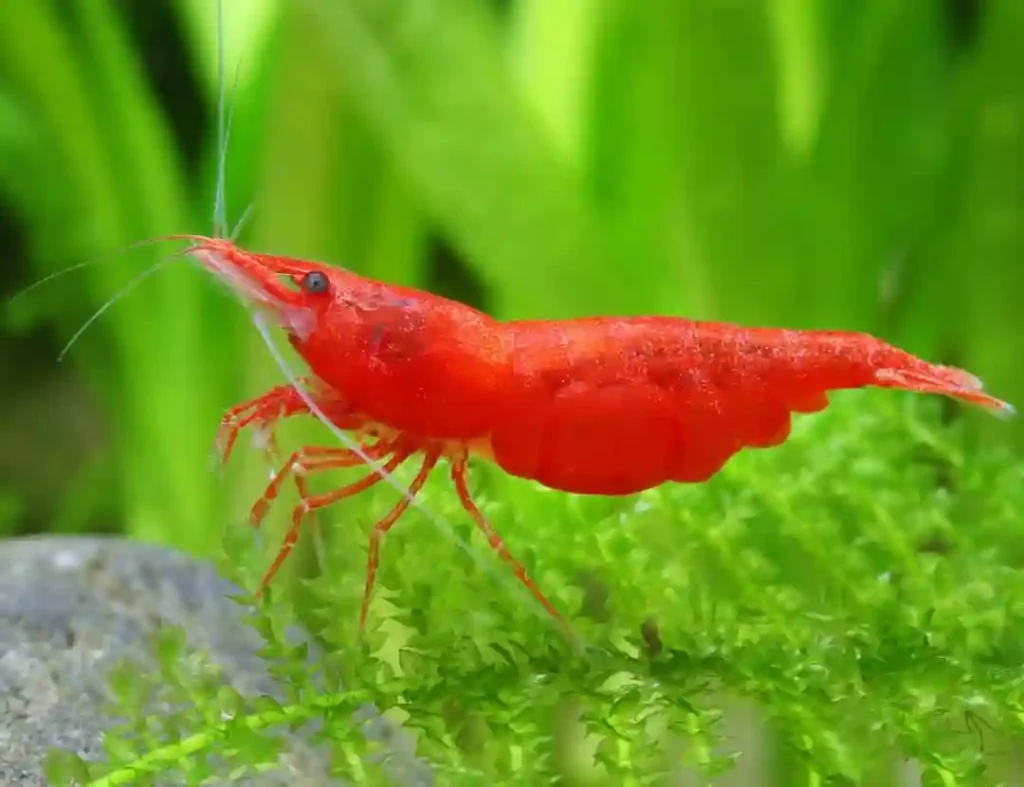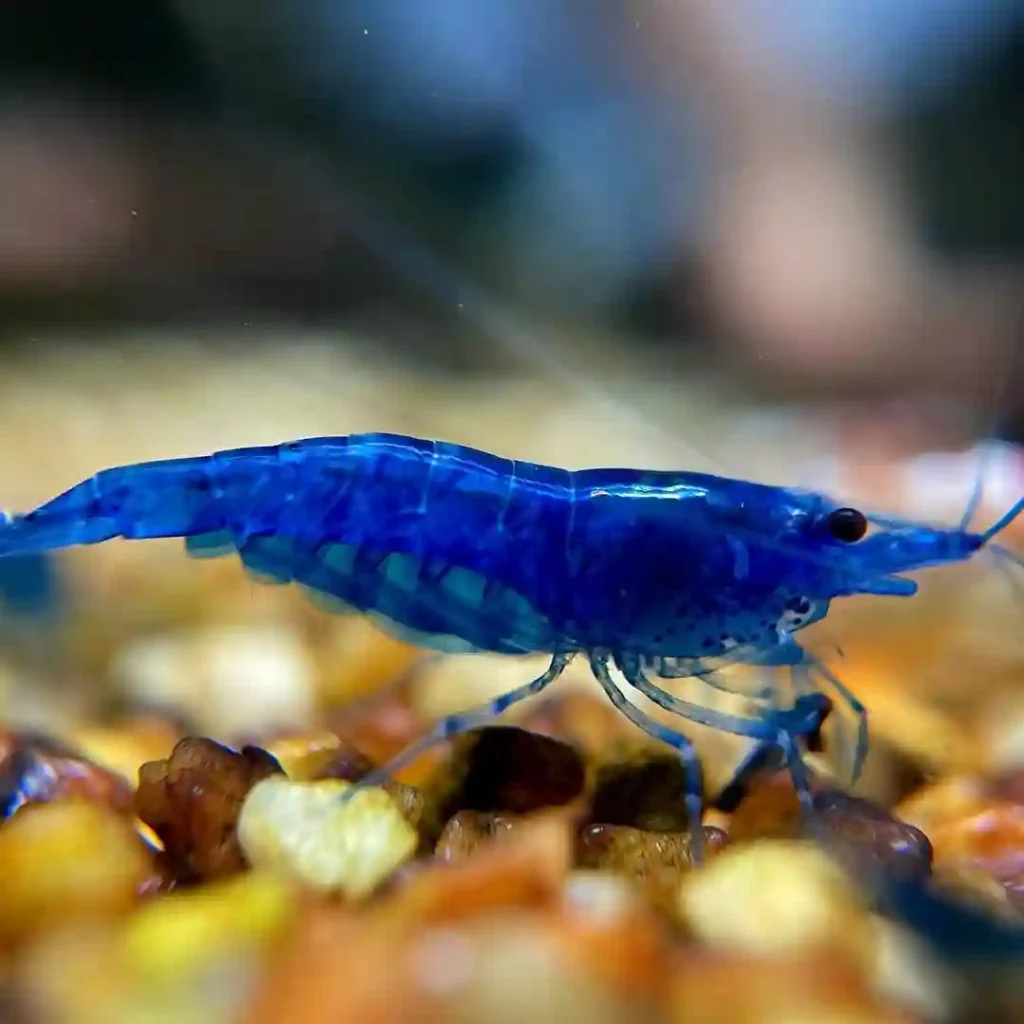
Keeping shrimp is one of the most rewarding parts of the freshwater aquarium hobby, especially for beginners. Shrimp are small, active, and fascinating to watch, but they are also more sensitive than fish. One of the best ways to keep shrimp healthy is by choosing the right live plants.
This guide covers the best beginner-safe plants for shrimp tanks, focusing on plants that improve water quality, support shrimp breeding, and do not require advanced care. If you are setting up a tank for cherry shrimp or any other freshwater shrimp, these plants will make a real difference.
Why Live Plants Matter in Shrimp Tanks
Live plants are not just decoration in a shrimp aquarium. They play a direct role in shrimp health and survival.
Plants help shrimp tanks by:
- Absorbing ammonia, nitrites, and nitrates
- Providing surfaces for biofilm growth
- Offering hiding spots for baby shrimp
- Reducing stress in adult shrimp
- Stabilizing water conditions
Shrimp spend most of their time grazing on biofilm and microorganisms. Plants increase these food sources naturally, which is especially important for beginners.
If you are keeping Neocaridina shrimp, this plant-based approach pairs perfectly with a proper shrimp setup. You can learn more in the full cherry shrimp guide here: Cherry shrimp care
What Makes a Plant Beginner Safe for Shrimp
Not every aquarium plant is suitable for shrimp tanks, especially for beginners. Beginner-safe shrimp plants share a few important qualities.
A good shrimp plant should:
- Grow slowly or steadily without heavy pruning
- Survive in low to moderate light
- Not require CO₂ injection
- Be safe for shrimp babies to hide in
- Grow biofilm easily
Plants that melt easily, need high light, or demand constant trimming can stress beginners and harm shrimp stability.
Best Plants for Shrimp Tanks (Beginner Friendly)
Below are the most reliable and beginner-safe plants for shrimp aquariums. These plants are widely used in breeding tanks and long-term shrimp setups.
Java Moss
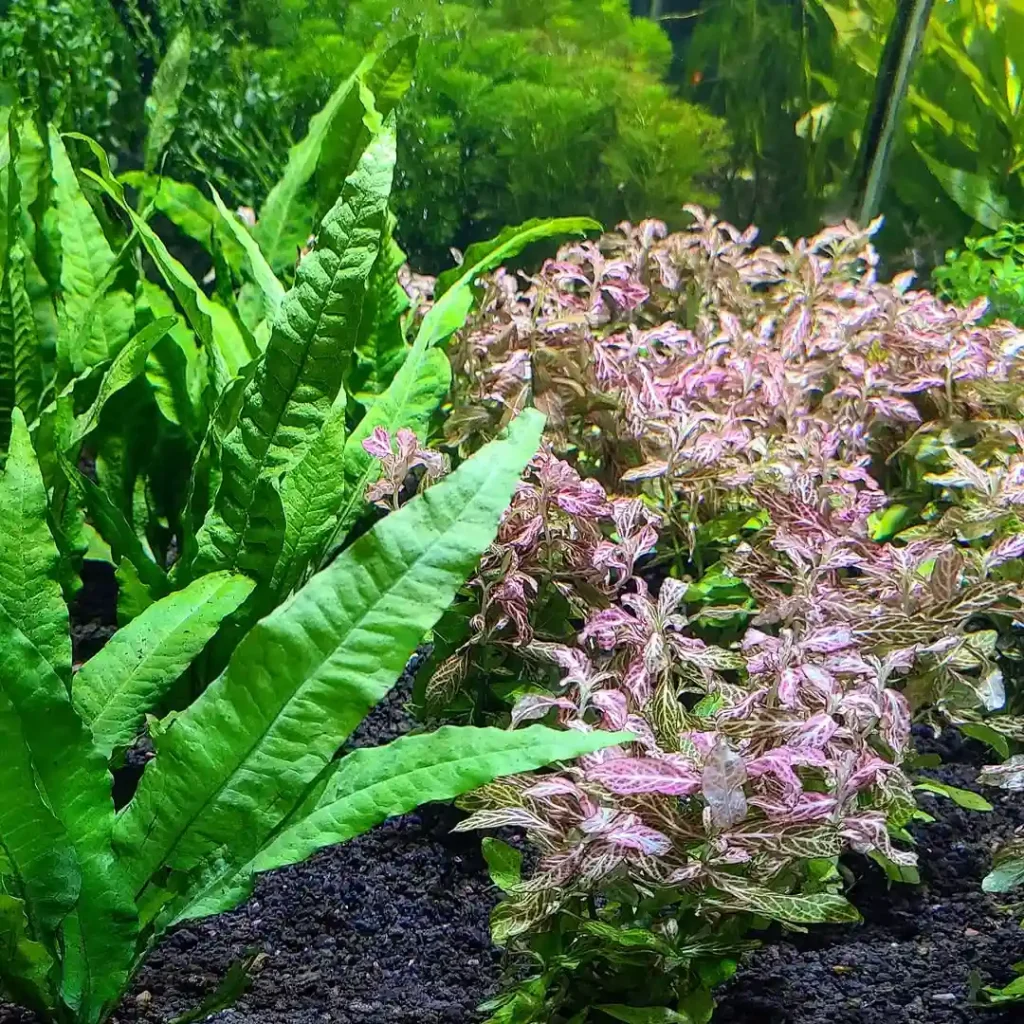
Java Moss is the number one plant for shrimp tanks, especially for beginners. It is nearly impossible to kill and offers unmatched benefits for shrimp.
Why shrimp love Java Moss:
- Dense structure protects baby shrimp
- Large surface area grows biofilm
- No planting required
- Thrives in low light
Java Moss can be attached to rocks, driftwood, or left free-floating. Shrimp constantly graze on it, making it one of the most important plants for breeding tanks.
If you want full care details, see the complete guide here: Java moss care
Anubias (All Varieties)
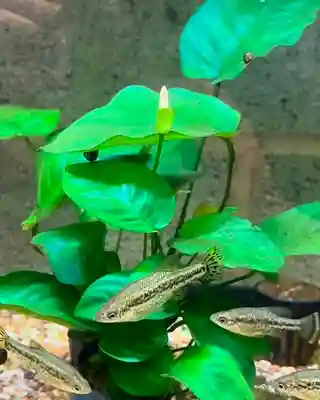
Anubias plants are slow-growing, hardy, and perfect for shrimp tanks. Their thick leaves collect biofilm and provide resting spots for shrimp.
Benefits of Anubias for shrimp tanks:
- Grows in low light
- Does not need CO₂
- Tough leaves resist shrimp damage
- Attaches easily to decor
Anubias should never be buried in substrate. Attach the rhizome to wood or stone, and it will thrive with minimal effort.
Java Fern
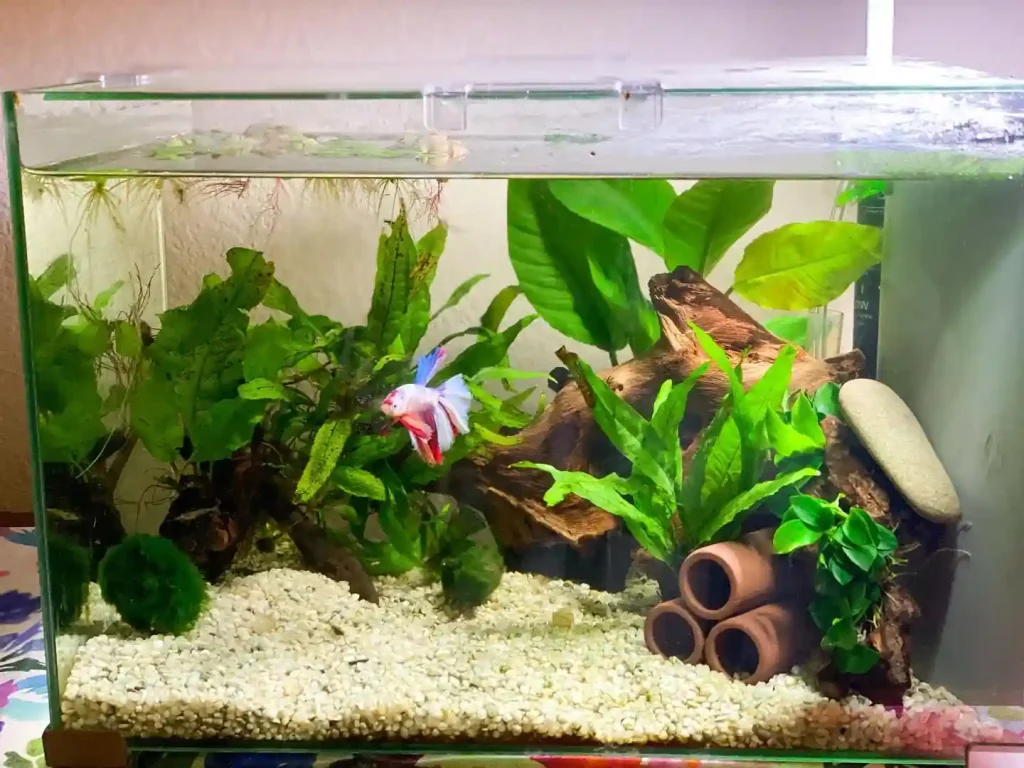
Java Fern is another excellent beginner plant that works well with shrimp. Like Anubias, it grows attached to surfaces instead of planted in soil.
Why Java Fern works well:
- Low maintenance
- Stable growth pattern
- Safe for shrimp babies
- Tolerates varied water parameters
Java Fern also produces baby plants on its leaves, which shrimp often hide among as they grow.
Marimo Moss Balls
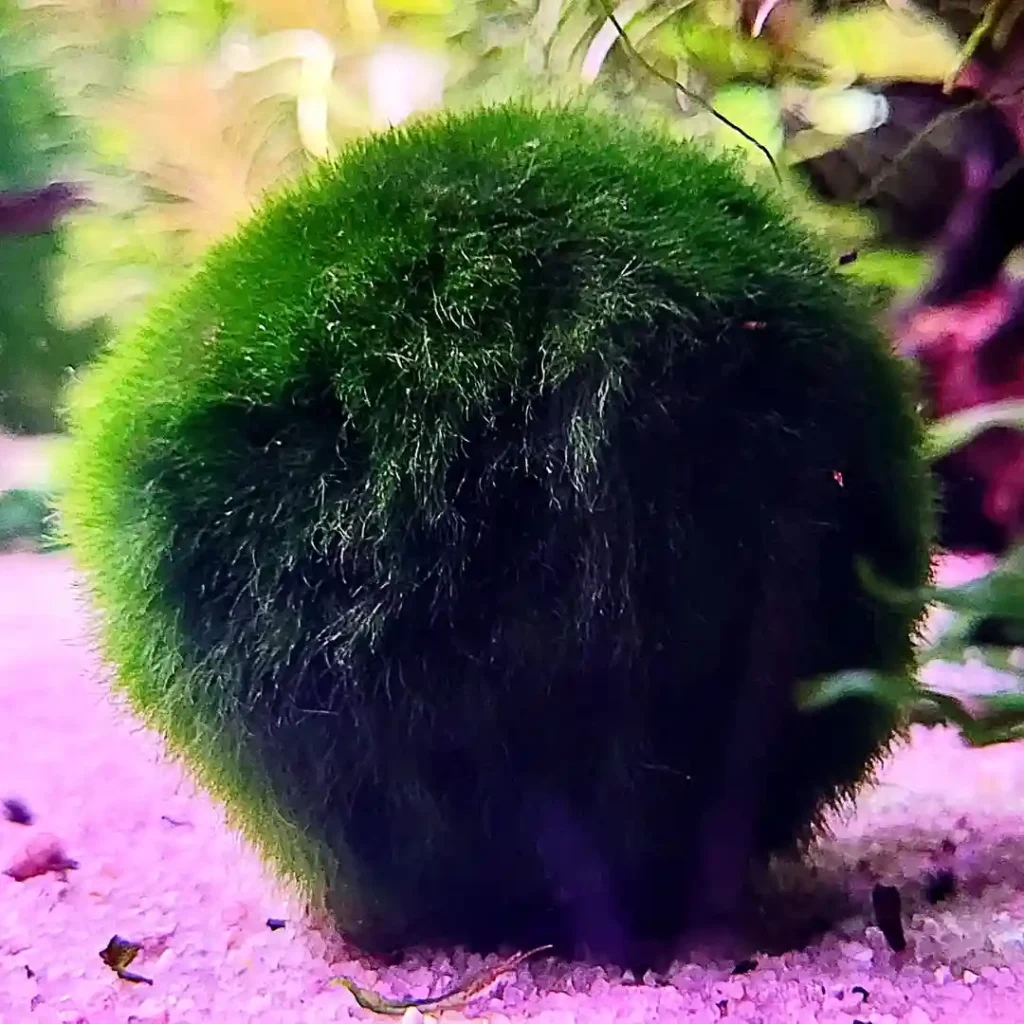
Marimo moss balls are not true moss, but shrimp treat them like one. They are extremely beginner-friendly and visually unique.
Shrimp benefits include:
- Constant grazing surface
- Easy placement anywhere in the tank
- No trimming required
- Very low light needs
Shrimp frequently sit on Marimo balls and feed throughout the day, making them both decorative and functional.
Floating Aquarium Plants
Floating plants are often overlooked, but they are extremely helpful in shrimp tanks.
Benefits of floating plants:
- Reduce excess nutrients
- Provide shade and security
- Grow biofilm on roots
- Improve water stability
Floating plants are especially helpful for beginners because they require almost no maintenance.
Some beginner-safe floating options include:
- Frogbit
- Red Root Floaters
- Salvinia
For a full breakdown of floating plant options, see this guide: Floating aquarium plants
Substrate Plants That Are Shrimp Safe
While mosses and attached plants are the easiest, some rooted plants also work well in shrimp tanks if chosen carefully.
Cryptocoryne (Small Varieties)
Cryptocoryne plants are shrimp-safe once established. They grow slowly and provide shelter near the substrate.
Important notes for beginners:
- Crypts may melt at first
- Avoid moving them often
- Stable water helps them recover
Once settled, Cryptocoryne plants are long-lasting and shrimp-friendly.
Dwarf Sagittaria
Dwarf Sag is a low-growing plant that creates grassy areas shrimp enjoy exploring.
Why it works:
- Moderate growth rate
- No sharp leaves
- Shrimp-safe root system
This plant works best in tanks with stable lighting and gentle filtration.
Plants to Avoid in Shrimp Tanks
Not all aquarium plants are shrimp-friendly, especially for beginners.
Avoid plants that:
- Require high CO₂
- Need intense lighting
- Grow too fast and crash
- Release chemicals when stressed
Examples include:
- High-demand carpet plants
- Sensitive stem plants
- Plants treated with pesticides
Always rinse new plants and avoid plants labeled as recently treated.
How Plants Help Shrimp Breeding
Plants play a major role in shrimp reproduction. Baby shrimp need places to hide and feed, especially in the first few weeks.
Dense plants:
- Protect babies from filtration
- Increase survival rates
- Provide constant grazing
This is why mosses and fine-leaved plants are heavily used in breeding tanks. A well-planted shrimp tank often produces babies without special intervention.
For a shrimp-focused plant list, see this dedicated guide: 10 Best Plants for Cherry Shrimp in Aquariums
Lighting Tips for Shrimp Planted Tanks
Shrimp tanks do not need strong lighting. In fact, too much light can cause algae problems.
Beginner lighting tips:
- Low to moderate light is enough
- 6 to 8 hours per day is ideal
- Consistent schedule matters more than brightness
Plants that grow slowly help prevent algae while keeping shrimp comfortable.
Maintenance Tips for Beginner Shrimp Tanks
Plants reduce maintenance, but basic care is still needed.
Simple maintenance rules:
- Avoid deep cleaning plants
- Trim only when needed
- Never remove all biofilm
- Use shrimp-safe fertilizers only if necessary
Stability is the goal. Shrimp prefer consistent conditions over constant adjustments.
Frequently Asked Questions
Do shrimp need plants to survive?
Shrimp can survive without plants, but planted tanks are far healthier and more stable. Plants greatly improve shrimp survival, especially for babies.
Can shrimp damage live plants?
Most shrimp do not eat healthy plants. They graze on algae and biofilm, not plant tissue.
Are artificial plants safe for shrimp?
Artificial plants do not provide biofilm or water benefits. Live plants are always better for shrimp health.
Should I quarantine plants before adding shrimp?
Yes. New plants may carry pesticides. Rinse well and quarantine when possible to protect shrimp.
How many plants should a shrimp tank have?
More is better. Shrimp thrive in heavily planted tanks with many hiding and grazing areas.
Final Thoughts
Live plants are one of the most important parts of a successful shrimp tank, especially for beginners. The right plants improve water quality, support shrimp feeding, and increase breeding success without adding extra work.
By choosing beginner-safe plants like Java Moss, Anubias, floating plants, and slow-growing rooted plants, you create a stable and shrimp-friendly environment from day one. A planted shrimp tank is easier to maintain, more natural, and far more enjoyable to watch over time.