
Shubunkin Goldfish Care Guide

Shubunkin goldfish are colorful, active, and hardy single-tail goldfish. They are best known for their calico pattern, which can include blue, orange, red, black, and white markings.
Many beginners like Shubunkins because they look a little like small koi but are usually easier to keep and more affordable. But they still need real space. A Shubunkin is not a small bowl fish or a tiny tank fish.
This guide covers Shubunkin tank size, pond care, feeding, water parameters, tank mates, lifespan, health problems, and beginner mistakes to avoid.
If you are still comparing goldfish varieties, read our full guide on types of goldfish. For general goldfish basics, start with our main goldfish care guide.
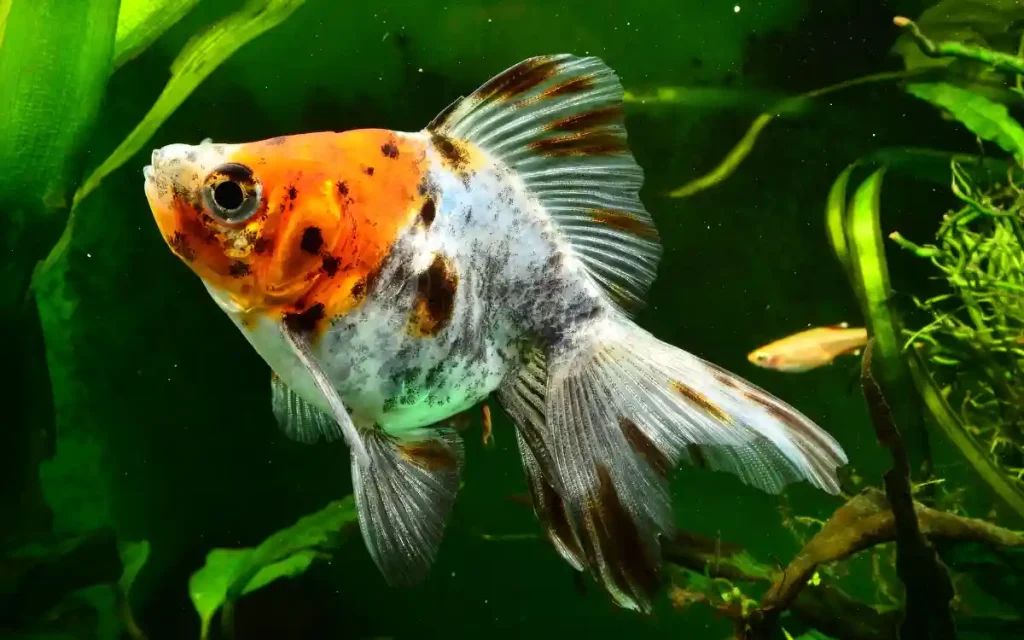
Shubunkin Goldfish at a Glance
| Feature | Details |
| Scientific Name | Carassius auratus |
| Common Name | Shubunkin Goldfish |
| Goldfish Type | Single-tail Goldfish |
| Adult Size | 8–12 inches |
| Possible Pond Size | Up to 14 inches in large ponds |
| Lifespan | 10–15 years, sometimes longer |
| Care Level | Easy to moderate |
| Minimum Tank Size | 30 gallons for a young fish |
| Better Adult Tank Size | 40 gallons or more |
| Best Setup | Large aquarium or pond |
| Temperature | 60–75°F |
| pH Range | 7.0–8.4 |
| Temperament | Peaceful and active |
| Best Tank Mates | Other fast single-tail goldfish |
What Are Shubunkin Goldfish?
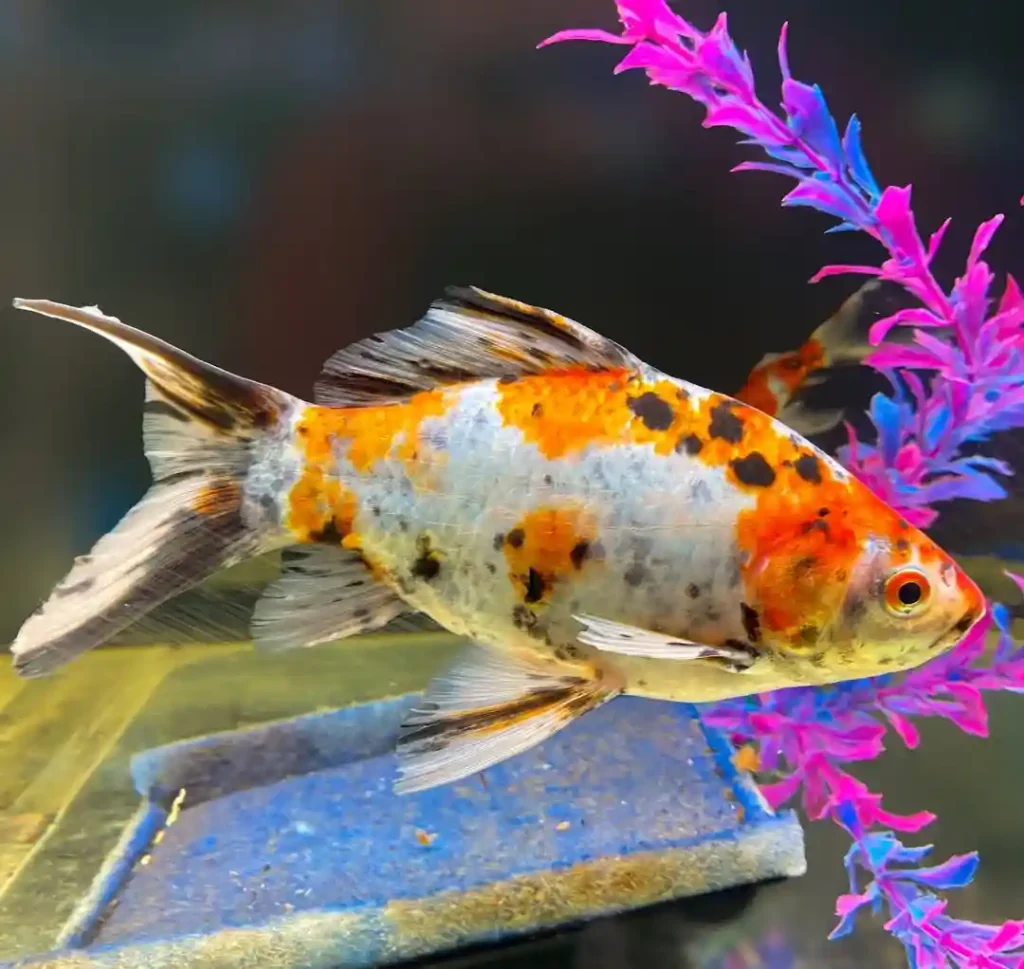
A Shubunkin goldfish is a single-tail goldfish with a slim body, active swimming style, and calico color pattern.
They are sometimes confused with fancy goldfish because of their beautiful coloring, but Shubunkins are not slow fancy goldfish. They are closer to Common and Comet goldfish in body shape and behavior.
Their scales often have a mixed look, with clear and metallic patches. The blue color is one of the most loved features in high-quality Shubunkins. No two fish look exactly the same, which makes them fun to choose.
Shubunkins are peaceful, but they are fast. That one detail affects almost everything about their care, from tank size to tank mates.
Types of Shubunkin Goldfish
There are three common Shubunkin types. Their care is mostly the same, but their tail and body shape can look different.
| Type | Main Feature |
| London Shubunkin | Shorter fins, body shape closer to Common goldfish |
| Bristol Shubunkin | Wide, rounded tail that can look heart-shaped |
| American Shubunkin | Long, forked tail; common in pet stores |
Most pet store Shubunkins are American Shubunkins. Bristol Shubunkins are often more prized because of their tail shape.
For care, you do not need a totally different setup for each type. The main needs are the same: space, clean water, strong filtration, and swimming room.
Are Shubunkin Goldfish Good for Beginners?
Yes, Shubunkin goldfish can be good for beginners, but only if the tank or pond is large enough.
They are hardy, active, and less delicate than fancy goldfish. They do not have fragile eye sacs, wen growth, or a round body that makes swimming difficult.
The main beginner mistake is thinking hardy means small-tank friendly. Shubunkins grow large and swim fast. They need more room than a Fantail, Oranda, Ranchu, or Black Moor.
My honest opinion: Shubunkins are great beginner goldfish for ponds and large aquariums. They are not the best choice for a 10-gallon or 20-gallon tank.
Shubunkin Goldfish Appearance
Shubunkins have a slim body, single tail, and bright calico pattern. Their colors may include blue, orange, red, black, white, and silver.
The blue background color is especially popular. A Shubunkin with strong blue coloring often looks more striking than a basic orange goldfish.
Their body shape is built for movement. They swim quickly, turn easily, and spend a lot of time exploring the tank or pond.
Because they are active, they look best in a setup with open swimming space rather than a crowded tank full of decorations.
Shubunkin Goldfish Size
Shubunkin goldfish usually grow 8 to 12 inches long in aquariums. In large outdoor ponds, they may reach around 14 inches.
They are often sold small, but they do not stay small. This is why planning ahead matters.
A small tank can lead to poor water quality and limited growth. Even if the fish seems fine at first, the setup can become a problem as the fish gets larger.
If you want a goldfish for a smaller indoor tank, a slower fancy type such as a Fantail is usually a better fit. You can compare care needs in our Fantail Goldfish Care Guide.
Shubunkin Goldfish Lifespan
Shubunkins usually live 10 to 15 years with proper care. In large ponds with stable water and enough space, some can live longer.
Their lifespan depends on water quality, tank or pond size, diet, oxygen, and winter care in outdoor setups.
The biggest reasons Shubunkins die early are small tanks, poor filtration, ammonia problems, and overfeeding.
A Shubunkin is a long-term fish. Do not buy one unless you are ready to care for it for many years.
Best Tank Size for Shubunkin Goldfish
A young Shubunkin can start in a 30-gallon tank, but an adult Shubunkin is better in 40 gallons or more.
For a group, a pond or very large aquarium is best. These fish are social and active, so they look better when they have space to swim together.
| Number of Shubunkins | Recommended Setup |
| 1 young Shubunkin | 30 gallons minimum |
| 1 adult Shubunkin | 40 gallons or more |
| 2 Shubunkins | 55 gallons or more |
| Group of Shubunkins | Large aquarium or pond |
A long tank is better than a tall tank because Shubunkins swim horizontally. They need length more than height.
Shubunkin Goldfish Tank Setup
A Shubunkin tank should have open space, strong filtration, and safe decor. They are not as delicate as fancy goldfish, but they can still injure fins on sharp objects.
Filtration
Shubunkins produce a lot of waste, so use a strong filter. A filter rated higher than the tank size is often better for goldfish.
Good options include canister filters, strong hang-on-back filters, and pond filters for outdoor setups.
Water movement is less of a problem for Shubunkins than it is for fancy goldfish. They are strong swimmers and usually handle moderate flow well.
Substrate
Smooth gravel, sand, or a bare-bottom tank can all work.
Shubunkins like to search the bottom for food. Avoid sharp gravel because it can damage the mouth or trap waste.
Sand looks natural, but it should be cleaned properly during water changes.
Decorations
Keep decorations smooth and leave plenty of open swimming room.
Avoid overcrowding the tank with rocks, ornaments, or fake plants. A Shubunkin needs space to move.
Smooth rocks, driftwood, and hardy plants can work well. Just make sure nothing has sharp edges.
Live Plants
Shubunkins may nibble plants or uproot them while searching for food. Still, some tough plants can work.
Good options include Anubias, Java Fern, Hornwort, Vallisneria, and Amazon Sword.
For more plant ideas, read our guide on goldfish plants.
Water Parameters for Shubunkin Goldfish
Shubunkins are hardy, but they still need clean and stable water.
| Water Parameter | Best Range |
| Temperature | 60–75°F |
| pH | 7.0–8.4 |
| Ammonia | 0 ppm |
| Nitrite | 0 ppm |
| Nitrate | Under 40 ppm |
| Water Changes | 25–30% weekly |
Ammonia and nitrite should always be 0 ppm. If either one appears, the tank is unsafe.
Nitrate should stay under control with regular water changes. Goldfish tanks can build waste quickly because goldfish eat a lot and produce heavy waste.
Change around 25–30% of the water each week. In crowded tanks or smaller setups, you may need larger water changes.
Do Shubunkin Goldfish Need a Heater?
Shubunkin goldfish usually do not need a heater in a normal indoor aquarium if the room temperature stays stable.
They do well in cooler water and are often kept outdoors in ponds. A heater may only be needed if the room gets too cold or the temperature changes sharply.
The key is stability. Sudden temperature swings are more stressful than a steady cool temperature.
Shubunkin Goldfish Food and Diet
Shubunkin goldfish are omnivores. They eat plant-based and animal-based foods.
Use quality goldfish pellets as the main diet. Flakes can work, but pellets are often cleaner and easier to portion.
You can also feed vegetables such as shelled peas, blanched spinach, lettuce, and zucchini.
Protein treats like bloodworms, brine shrimp, and daphnia can be offered sometimes, but they should not replace the main diet.
Feed once or twice daily. Only give what they can finish in about 1 to 2 minutes.
Overfeeding is a common problem. Extra food quickly turns into dirty water, especially in goldfish tanks.
Shubunkin Goldfish Behavior
Shubunkins are active, social, and peaceful. They spend most of their time swimming, exploring, and searching for food.
They are not aggressive, but they are fast and confident feeders. This is why they should not be mixed with slow fancy goldfish.
A healthy Shubunkin should swim strongly, show interest in food, and move around often.
Warning signs include clamped fins, gasping, bottom-sitting, rubbing against objects, white spots, or refusing food.
Shubunkin Goldfish Tank Mates
Shubunkins do best with other fast single-tail goldfish.
Good tank mates include Common goldfish and Comet goldfish. Other Shubunkins are also a great choice.
Avoid slow fancy goldfish like Orandas, Ranchus, Fantails, Black Moors, Telescopes, Lionheads, and Bubble Eyes. These fish are much slower and may struggle to get enough food with Shubunkins.
This is where many beginners make a mistake. A Shubunkin may seem peaceful, but feeding speed matters. Fast fish can stress slow fish even without attacking them.
If you prefer slow fancy goldfish, compare care needs in the Oranda Goldfish Care Guide or Ranchu Goldfish Care Guide.
Do not keep Shubunkins with tropical fish that need warm water, aggressive fish, fin nippers, or tiny fish that may fit in their mouth.
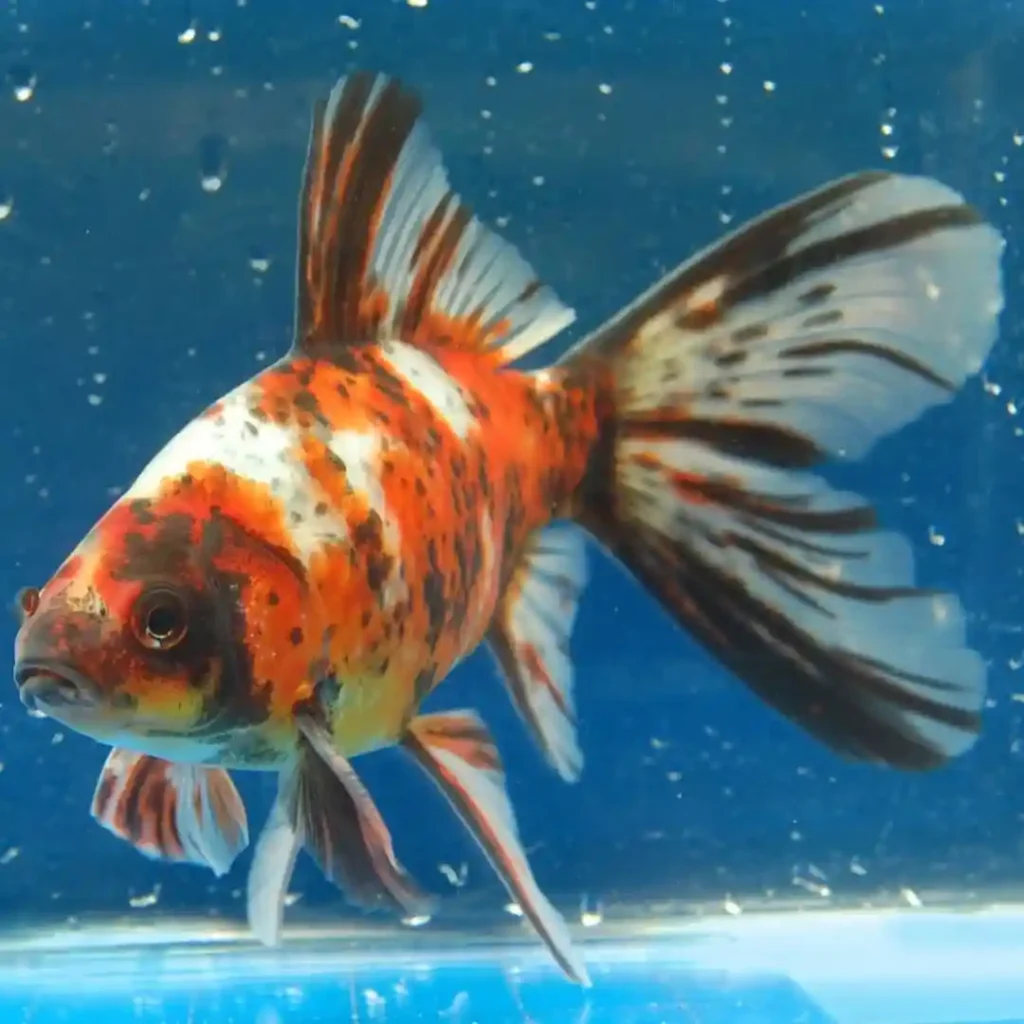
Can Shubunkin Goldfish Live in Ponds?
Yes, Shubunkin goldfish are excellent pond fish.
A pond gives them the space they need to swim, grow, and live in groups. Their calico colors also look beautiful from above, especially in clear water.
A good Shubunkin pond should have enough depth, strong filtration, oxygen, and predator protection.
Use pond plants for shade and cover, but leave open swimming areas. Netting may be needed if birds, cats, or other predators are common in your area.
In colder areas, the pond should be deep enough to keep a stable area of water during winter. Do not break ice by smashing it, because the shock can stress fish. Use proper pond winter care if your area gets freezing weather.
Can Shubunkins Live Alone?
A Shubunkin can live alone, but they usually do better with other similar goldfish if the setup is large enough.
They are active and social fish. In ponds or large tanks, a group of single-tail goldfish often looks more natural.
Do not add more fish to a small tank just because one Shubunkin looks lonely. More fish means more waste and more space needed.
Common Shubunkin Goldfish Health Problems
Shubunkins are hardy, but they can still get sick in poor water.
Ich
Ich looks like tiny white spots on the body and fins. Fish may rub against objects or clamp their fins.
Treat early because ich can spread quickly through the tank or pond.
Fin Rot
Fin rot can make the fins look torn, cloudy, red, or melted at the edges. It often appears after stress, injury, or poor water quality.
Test the water first and improve maintenance. Remove sharp decor if fins are getting damaged.
Ammonia Burns
Ammonia burns can happen in uncycled tanks, overstocked tanks, or poorly filtered setups.
Signs may include red streaks, dark patches, gasping, clamped fins, or bottom-sitting.
Ammonia should always be 0 ppm.
Parasites
Outdoor pond fish can be exposed to parasites more easily than indoor fish.
Quarantine new fish before adding them to a pond or tank. Watch for flashing, scratching, weight loss, or unusual swimming.
Breeding Shubunkin Goldfish
Shubunkin goldfish can breed in aquariums or ponds when they are mature and healthy.
During breeding season, males may develop small white breeding stars on the gill covers and front fins. Males may chase females around the tank or pond.
Females scatter eggs on plants, spawning mops, or surfaces. Adult goldfish may eat the eggs, so breeders often move the eggs or separate adults after spawning.
Fry need tiny foods at first, such as infusoria or baby brine shrimp. As they grow, they can eat crushed flakes or crushed pellets.
Breeding is optional. Most beginners should focus on care and water quality first.
Shubunkin vs Other Goldfish
Shubunkins are often compared with Common, Comet, and fancy goldfish.
| Goldfish Type | Main Difference |
| Shubunkin | Calico color, active, single-tail |
| Common Goldfish | Usually solid orange or mixed color, active, single-tail |
| Comet Goldfish | Long flowing tail, very active |
| Fantail Goldfish | Slow fancy goldfish, round body |
| Oranda Goldfish | Fancy goldfish with wen growth |
| Ranchu Goldfish | Fancy goldfish with no dorsal fin |
Choose a Shubunkin if you want an active, colorful goldfish for a large tank or pond.
Choose a Fantail if you want a smaller indoor fancy goldfish.
Choose an Oranda or Ranchu if you want a slower fancy goldfish with special body features.
Beginner Mistakes to Avoid
The biggest mistake is keeping a Shubunkin in a small tank. These fish grow large and swim fast.
Another mistake is mixing them with fancy goldfish. Shubunkins are not aggressive, but they are too fast for slow fancy types.
Do not use a weak filter. Shubunkins produce a lot of waste, so strong filtration is important.
Avoid overfeeding. Extra food quickly affects water quality.
Do not skip quarantine for new pond fish. Outdoor setups can spread disease quickly if sick fish are added.
Shubunkin Goldfish Care Checklist
| Care Need | Best Practice |
| Tank Size | 30 gallons minimum for young fish |
| Better Adult Setup | 40+ gallons or pond |
| Temperature | 60–75°F |
| pH | 7.0–8.4 |
| Ammonia | 0 ppm |
| Nitrite | 0 ppm |
| Food | Pellets, vegetables, occasional protein treats |
| Tank Mates | Other single-tail goldfish |
| Best Setup | Long tank or outdoor pond |
| Water Changes | 25–30% weekly |
| Care Level | Easy to moderate |
FAQs
Are Shubunkin goldfish easy to care for?
Yes, Shubunkin goldfish are hardy and beginner-friendly if kept in a large enough tank or pond. They are not good for small tanks.
How big do Shubunkin goldfish get?
Shubunkin goldfish usually grow 8 to 12 inches in aquariums. In large ponds, they may reach around 14 inches.
What size tank does a Shubunkin goldfish need?
A young Shubunkin needs at least 30 gallons, but an adult Shubunkin is better in 40 gallons or more. A pond is best for groups.
Can Shubunkin goldfish live with fancy goldfish?
It is not recommended. Shubunkins are fast swimmers and may outcompete slow fancy goldfish for food.
Can Shubunkins live with Comet goldfish?
Yes, Shubunkins can live with Comet goldfish if the tank or pond is large enough. Both are active single-tail goldfish.
Do Shubunkin goldfish need a heater?
Shubunkin goldfish usually do not need a heater if the temperature stays stable. They do well in cooler water.
What do Shubunkin goldfish eat?
Shubunkins eat goldfish pellets, vegetables, bloodworms, brine shrimp, daphnia, and other goldfish-safe foods. Pellets should be the main diet.
Can Shubunkin goldfish live in ponds?
Yes, Shubunkins are excellent pond fish. They grow well in outdoor ponds with good filtration, oxygen, depth, and predator protection.
How long do Shubunkin goldfish live?
Shubunkins usually live 10 to 15 years with proper care. In good pond conditions, some can live longer.
Are Shubunkins like koi?
Shubunkins can look similar to koi because of their colors, but they are goldfish. They usually stay smaller than koi and are easier to fit into many pond setups.
