
How to Care for Vallisneria Plants

Vallisneria, often called “Val,” is one of the easiest background aquarium plants for beginners. It grows long ribbon-like leaves, spreads quickly, and can turn a plain aquarium into a lush jungle-style tank within a few months.
One reason many hobbyists love Vallisneria is how natural it looks. The long leaves sway gently in the water flow, making the aquarium feel more alive. It also grows well in low-tech setups without needing expensive CO2 systems.
The biggest challenge with Vallisneria is that it sometimes melts after being added to a new tank. Luckily, healthy roots usually recover once the plant adjusts to the aquarium.
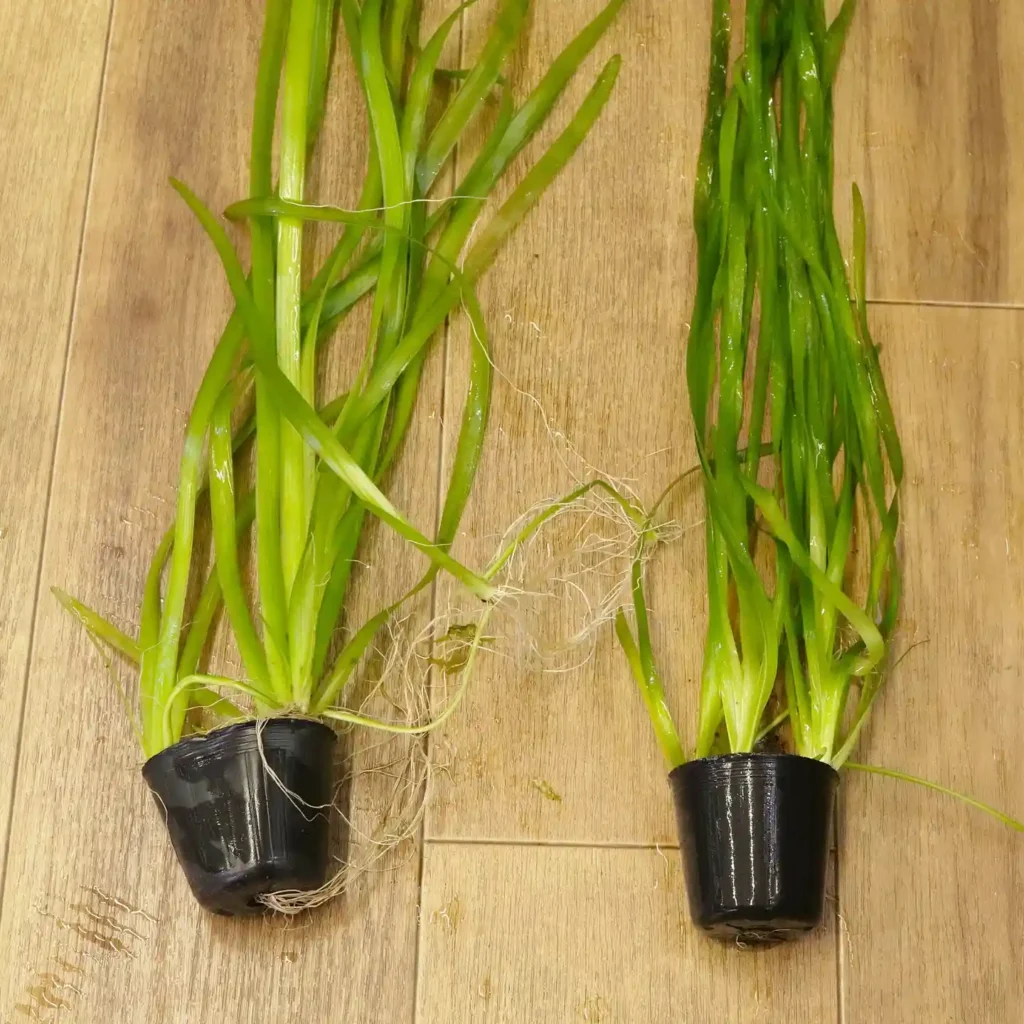
What Is Vallisneria?
Vallisneria is a freshwater aquarium plant known for its long grass-like leaves and fast spreading growth.
It is commonly used in:
- Background planting
- Jungle aquascapes
- Community aquariums
- Goldfish tanks
- Low-tech planted tanks
- Beginner aquariums
Some varieties stay shorter, while others grow tall enough to reach the water surface and spread across the top of the tank.
Quick Vallisneria Care Guide
| Feature | Details |
| Care Level | Easy |
| Growth Rate | Moderate to fast |
| Lighting | Low to medium |
| CO2 Needed | No |
| Placement | Background |
| Temperature | 68–82°F |
| pH Range | 6.5–8.0 |
| Propagation | Runners |
Why Beginners Love Vallisneria
Vallisneria is popular because it grows quickly and fills empty space without needing constant attention.
Main benefits include:
- Beginner-friendly
- Fast spreading
- Works without CO2
- Creates natural jungle appearance
- Good for background coverage
- Helps absorb excess nutrients
It is also one of the best plants for reducing the empty look many new aquariums have.
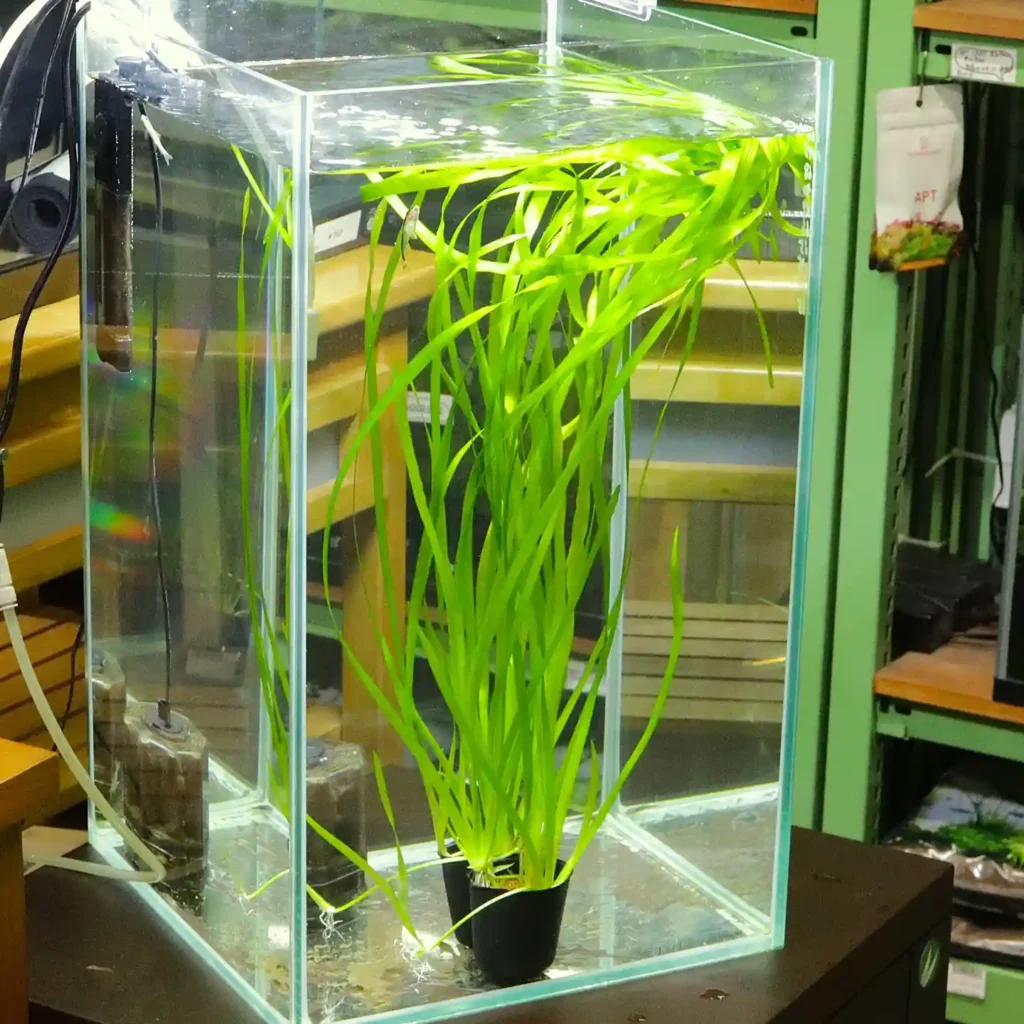
Popular Types of Vallisneria
Jungle Vallisneria
One of the tallest types. Great for large aquariums and background planting.
Italian Vallisneria
Has long flowing leaves and grows quickly in community tanks.
Corkscrew Vallisneria
Known for twisted spiral-shaped leaves that add texture to the aquarium.
Dwarf Vallisneria
A smaller variety better suited for nano tanks or midground areas.
Best Tank Setup for Vallisneria
Lighting
Low to medium lighting works well.
Under stronger lighting, Vallisneria often grows faster and taller, but it can still thrive in basic beginner setups.
A lighting schedule of 6 to 8 hours daily usually works best.
Water Parameters
Vallisneria adapts to many water conditions, which makes it great for community tanks.
| Parameter | Ideal Range |
| Temperature | 68–82°F |
| pH | 6.5–8.0 |
| GH | 4–15 |
| KH | 3–10 |
Stable water conditions help prevent melting.
Does Vallisneria Need CO2?
No.
Vallisneria grows very well without injected CO2. That is why it is common in beginner planted tanks.
CO2 may increase growth speed, but it is optional.
Honestly, many hobbyists struggle more with trimming Vallisneria than trying to make it grow faster.
Best Substrate for Vallisneria
Vallisneria is a root-feeding plant.
It grows best in:
- Nutrient-rich aquasoil
- Gravel with root tabs
- Sand with root fertilizer
- Planted tank substrate
Root tabs usually improve growth more than liquid fertilizers alone.
Read also : Aquarium Substrate Guide
How to Plant Vallisneria Properly
Plant the roots gently into the substrate while keeping the crown slightly exposed.
Do not bury the entire base too deeply.
Once planted, avoid moving Vallisneria repeatedly because frequent disturbance may trigger melting.
Why Vallisneria Melts
Many beginners panic when Vallisneria leaves suddenly turn transparent or soft after planting.
This is common and usually temporary.
Common Causes of Vallisneria Melt
- Sudden water changes
- Moving the plant too often
- Weak roots from shipping
- New tank adjustment
- Major temperature changes
What To Do
- Leave healthy roots in place
- Trim dead leaves
- Keep water stable
- Avoid replanting repeatedly
In many cases, new healthy leaves appear within a few weeks.
Fertilizer Needs
Because Vallisneria feeds heavily through its roots, root tabs are very helpful.
Important Nutrients
- Iron
- Potassium
- Nitrogen
- Trace minerals
Signs of Nutrient Deficiency
| Problem | Possible Cause |
| Yellow leaves | Low nutrients |
| Thin weak leaves | Poor substrate nutrition |
| Slow spreading | Weak root feeding |
How Fast Does Vallisneria Grow?
Vallisneria grows faster than many beginner plants like Anubias or Cryptocoryne.
Once established, it often sends runners across the substrate quickly.
In some tanks, Jungle Vallisneria can reach the water surface within weeks.
How Vallisneria Spreads
Vallisneria spreads through runners under the substrate.
Small baby plants appear nearby and eventually develop into full plants.
You can:
- Leave them connected
- Separate and replant them
- Allow them to form a dense background wall
This spreading habit makes Vallisneria excellent for filling empty areas naturally.
Best Tank Mates for Vallisneria
Vallisneria works with most peaceful freshwater fish.
Good Tank Mates
- Tetras
- Corydoras
- Rasboras
- Angelfish
- Livebearers
- Shrimp
Fish That May Damage Vallisneria
- Large cichlids
- Silver dollars
- Some goldfish
Goldfish may uproot young plants before roots establish properly.
This plant is best for:
Vallisneria in Aquascaping
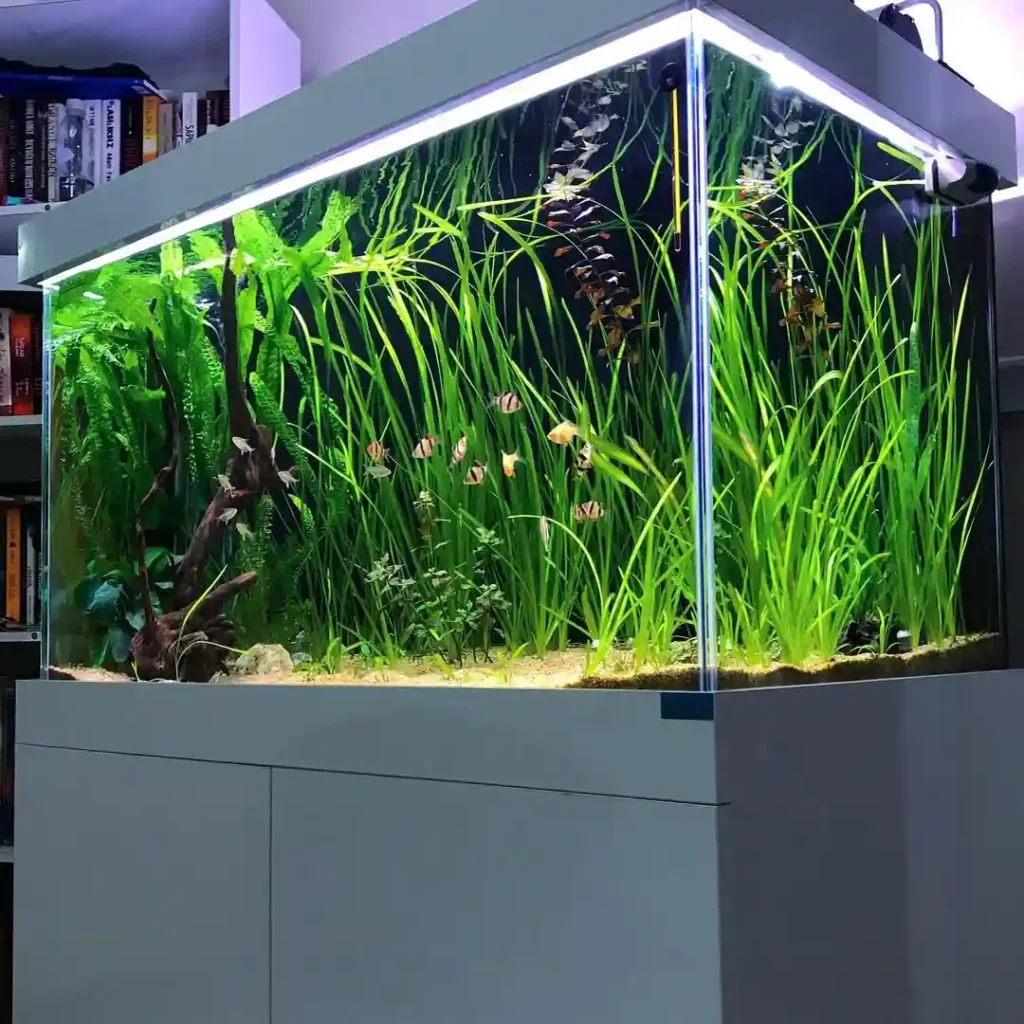
Vallisneria is one of the best plants for creating movement in an aquascape.
The long leaves sway naturally in water flow and soften hardscape layouts.
It works especially well:
- In background areas
- Along back corners
- In jungle aquascapes
- Around driftwood
- Behind rocks
Many aquascapers use Vallisneria to create a dense green wall behind shorter plants like Anubias and Crypts.
More plant ideas:
Common Vallisneria Problems
Melting Leaves
Usually caused by adjustment stress or unstable conditions.
Yellow Leaves
Often nutrient-related.
Brown Tips
Can happen from damaged leaves or nutrient deficiencies.
Weak Growth
Usually caused by poor substrate nutrition or weak lighting.
Frequently Asked Questions
Is Vallisneria good for beginners?
Yes. It is one of the easiest background plants for beginner aquariums.
Does Vallisneria need CO2?
No. It grows well without CO2 injection.
Why is my Vallisneria melting?
This usually happens after planting or sudden environmental changes.
Can Vallisneria grow in sand?
Yes, especially with root tabs added underneath.
How fast does Vallisneria spread?
Once established, it can spread quickly through runners.
Can Vallisneria grow in low light?
Yes, although growth may slow slightly.
