
Water Lettuce Care Guide

Water lettuce grows well in an aquarium when its leaves stay dry and the surface current remains gentle. Give it moderate to bright light, stable water around 70–82°F (21–28°C), and enough nutrients in the water. It does not need substrate or injected CO₂.
Most problems start above the waterline. Filter splash and condensation can keep the fuzzy leaves wet, which may cause the crown to rot. The plant also needs more room than smaller floaters, so I prefer it for open-top or roomy aquariums rather than tiny tanks with tight lids.
Water lettuce can spread outside captivity and is restricted in some locations. Check your local rules before buying it, keep it contained, and never release unwanted plants into a pond, stream, drain, or other waterway.
Water Lettuce Care at a Glance
| Care factor | Recommended condition |
| Scientific name | Pistia stratiotes |
| Common names | Water lettuce, water cabbage, dwarf water lettuce |
| Care level | Easy to moderate |
| Placement | Floating at the surface |
| Light | Moderate to bright |
| Temperature | 70–82°F (21–28°C) |
| pH | 6.5–7.5 preferred |
| Water hardness | Soft to moderately hard |
| Surface flow | Gentle, with a calm area |
| CO₂ | Not needed |
| Substrate | Not needed |
| Growth rate | Fast in good conditions |
| Propagation | Runners and daughter plants |
| Best setup | Roomy aquarium with dry leaves and open surface space |
What Is Water Lettuce?
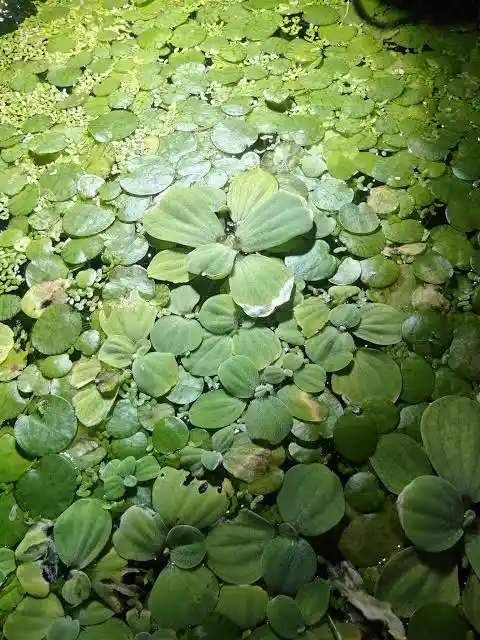
Water lettuce is a free-floating freshwater plant with pale green leaves arranged in a rosette. The thick, ribbed leaves are covered with fine hairs, giving the plant a soft, velvety look. A mass of feathery roots hangs below each rosette.
The plant floats on its own, so you do not bury it or attach it to wood. Its roots collect nutrients directly from the water column while the leaves sit above the surface and take in carbon dioxide from the air.
You may see small plants sold as dwarf water lettuce. Most are still labeled Pistia stratiotes, rather than a separate aquarium species. The word “dwarf” does not promise that the plant will stay tiny. A young or crowded plant may remain compact, while the same plant can produce wider leaves and much longer roots after it receives stronger light, more nutrients, and extra surface space.
Is Water Lettuce Good for an Aquarium?
Water lettuce can be very useful in the right aquarium. Its hanging roots give fry and shrimp a place to hide and graze. The leaves create shade for fish that feel more comfortable under cover, including bettas, gouramis, and some small community fish.
As it grows, the plant uses nitrogen and other available nutrients from the water. This can support your normal nitrate-control routine, but it does not replace a cycled filter, water testing, or water changes. I treat it as a fast-growing plant, not as a shortcut for poor water quality. You can read more about the limits of plant-based nitrate control in this guide on lowering aquarium nitrate safely.
The downside is surface coverage. A solid layer can shade plants below, crowd the feeding area, and reduce open water for gas exchange. Water lettuce works best when you are willing to remove excess plants before they form a thick mat.
If you are planning the rest of the tank, the Aquarium Plants Guide explains how floating, rooted, and attached plants can be used together.
How to Add Water Lettuce to an Aquarium
Do not drop a new plant straight into the tank without checking it. Floating plants can carry pest snails, algae, insects, or chemical residue from a nursery.
- Check the leaves, crown, and roots for pests, eggs, decay, and soft spots.
- Rinse the plant gently in clean, dechlorinated water. Do not hold the rosette underwater longer than needed.
- Quarantine it in a separate container when possible, especially before adding it to a shrimp tank.
- Place the healthy rosette on the surface with its leaves facing up and its roots hanging freely.
- Move it away from the filter outflow. An airline-tubing ring or floating plant corral can create a calmer growing area.
Remove badly damaged outer leaves before the plant goes into the aquarium. Avoid strong, untested chemical dips. They can harm a soft floating plant, and any residue may be unsafe for shrimp or snails.
Water lettuce does not need to be planted. Burying the roots or trapping the rosette under other plants will cause trouble. Let each plant sit upright with enough space to open fully.
Water Lettuce Light Requirements
Moderate to bright aquarium light usually produces healthy green rosettes and steady runner growth. Because the leaves sit directly under the fixture, they receive more light than plants at the bottom of the tank.
Start with about seven to eight hours of light per day and use a timer. This is a starting point, not a fixed rule. If algae increases or leaf edges become pale and scorched, reduce the intensity or move the light farther from the surface. If the rosettes remain very small and produce no new plants, the light may be too weak.
Acclimate newly purchased plants instead of moving them straight from a shaded nursery into very strong light. A sudden change can damage older leaves even when the final light level is suitable.
Water lettuce is not my first choice for a dim tank. It may stay alive under weaker light, but growth is usually slower and less full. For a tank with a basic fixture, compare it with these low-light aquarium plants before buying.
Best Water Parameters for Water Lettuce
Keep water lettuce around 70–82°F (21–28°C) for steady aquarium growth. It may tolerate conditions outside this range, but colder water often slows it down. Sudden temperature changes are harder on the plant than a stable temperature near either end of the recommended range.
A pH of about 6.5–7.5 suits most aquarium-grown water lettuce. Soft to moderately hard water is usually fine. There is no reason to chase an exact pH when the plant is growing and the tank animals are healthy.
Ammonia and nitrite should stay at zero in an aquarium containing fish or shrimp. Water lettuce can use nitrogen as it grows, but it cannot make an uncycled tank safe. If the aquarium is new, follow a proper fish tank cycling process and test the water rather than judging it by plant growth.
Keep up with normal water changes. Old roots and dying leaves can break down in the tank, so remove them before they add more waste to the water.
Surface Flow, Splash, and Aquarium Lids
Water lettuce naturally favors calm or slow-moving water. Strong ripples push the plants around, tangle the roots, and keep water splashing onto the leaves. The goal is not a completely still aquarium. Fish still need filtration and good gas exchange.
Create one quiet area instead. Place a floating corral away from the outflow, angle the outlet slightly downward, or add a safe baffle if the filter is too forceful. Keep part of the surface open so water can move and fish can feed without fighting through roots.
The top of each rosette should remain mostly dry. Occasional droplets are not always fatal, but constant spray or dripping condensation can soften the center and start rot.
An open-top aquarium is the easiest setup for water lettuce because it gives the leaves air and headroom. That does not mean you should remove a lid from a tank containing jumping fish. In that case, keep a secure cover and leave enough space between the water and lid. Reduce dripping where possible and keep the plants away from the wettest area.
If a tight cover rains condensation across the whole surface every day, water lettuce is a poor match for that tank. Changing the plant is safer than compromising the lid or turning off needed filtration.
Does Water Lettuce Need CO₂, Fertilizer, or Substrate?
Water lettuce does not need a substrate. Its roots remain in the water, so root tabs buried in sand or gravel offer little direct help.
Injected CO₂ is also unnecessary. The leaves grow above the surface and can collect carbon dioxide from the air. Set up a CO₂ system for the needs of submerged plants, not for water lettuce.
Fertilizer depends on the aquarium. A stocked tank may supply enough nutrients through fish food and waste. In a lightly stocked or heavily planted tank, water lettuce may become pale or stop producing runners after available nutrients run low.
Use a complete liquid aquarium-plant fertilizer only when the tank needs it. Follow the product label, watch the plant’s new growth, and test the water instead of adding extra fertilizer blindly. Do not use a garden or houseplant fertilizer in a stocked aquarium. If you keep shrimp or snails, choose a product made for aquariums and follow its livestock directions.
More fertilizer will not repair leaves that are rotting from condensation. Check splash, flow, light, and water quality before assuming every yellow leaf is a nutrient problem.
How Fast Does Water Lettuce Grow?
Water lettuce can grow quickly once it settles. A healthy parent plant sends out short runners that end in small daughter rosettes. Those daughters produce their own roots and eventually make more plants.
Growth speed changes with temperature, light, nutrient supply, and available room. Warm, well-lit, nutrient-rich tanks may need weekly thinning. Cooler or leaner tanks grow more slowly.
Check surface coverage during each water change. Remove extras while you can still lift out whole rosettes easily. Waiting until the plants are tangled across the tank makes maintenance messier and leaves more broken roots behind.
How to Trim Water Lettuce and Its Roots
Long roots are normal, but you can shorten them when they block swimming space or reach the substrate. Lift one rosette from the water, support it gently, and use clean scissors to cut the lower part of the root mass. Leave a healthy section attached beneath the plant and never cut into the crown.
Trim only what is getting in the way. The roots provide cover and grazing area, so cutting every plant very short removes one of the main reasons to keep it.
For surface control, remove entire extra rosettes rather than cutting many healthy leaves from each plant. Pull off a yellow outer leaf at its base only when it comes away cleanly. Discard soft plants with a rotting center.
I keep a clear feeding area, space around the filter, and an open patch for gas exchange. An exact percentage is less useful than checking that the surface is not sealed by one unbroken plant mat.
How to Propagate Water Lettuce
Water lettuce usually propagates without any help. The parent sends out a runner, also called a stolon, and a daughter plant forms at the end.
Leave the daughter attached until it has several leaves and its own roots. You can then cut the runner with clean scissors or gently separate it if it is already loosening. Float the new rosette in a calm part of the same tank or move it to another contained aquarium.
You do not need seeds, soil, or a special propagation tray. In most tanks, controlling new plants takes more effort than producing them.
Common Water Lettuce Problems
One symptom can have several causes, so change one part of the setup at a time. Start by checking for wet leaves and strong flow, then review light, nutrients, and temperature.
| Problem | Likely causes | What to do |
| Yellow or pale leaves | Low nutrients, weak light, cold water, or normal loss of an old leaf | Check new growth, test the water, review the light, and remove dead leaves |
| Brown, dry edges | Light or heat stress, low humidity above an open tank, or shipping damage | Acclimate the plant, move intense light farther away, and watch new leaves |
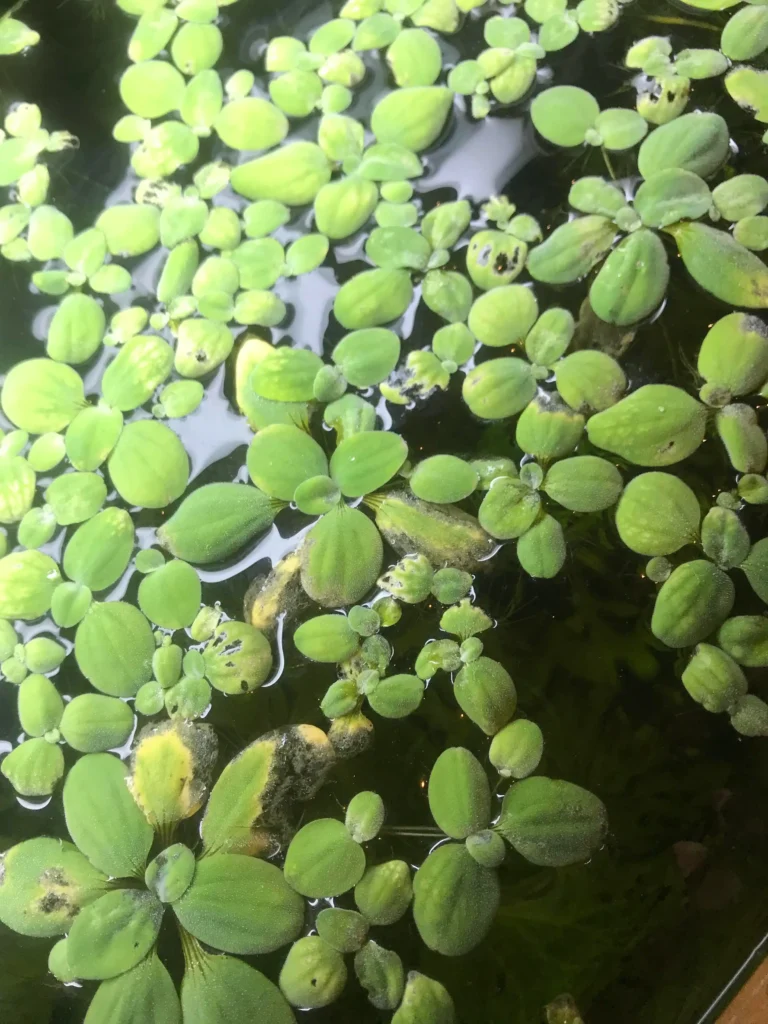
| Soft or melting center | Filter splash, lid condensation, or a rotting crown | Keep leaves dry, move the plant to a calm area, and discard rotting rosettes |
| Roots falling off | Strong current, fish picking at roots, sudden change, or decay | Reduce direct flow, inspect livestock behavior, and trim damaged tissue |
| No runners | Weak light, low nutrients, cool water, or a newly added plant | Give it time to settle, then check light and nutrient supply |
| Rosettes stay tiny | Young plants, crowded surface, limited nutrients, or weaker light | Thin the surface and judge health by new green growth, not size alone |
Do not expect a damaged leaf to turn green again. Look at the newest leaves after you correct the cause. Fresh, firm growth tells you more than one old yellow leaf.
Best Fish and Tank Mates for Water Lettuce
Water lettuce is suitable for many peaceful freshwater tanks. Bettas and gouramis often use the overhead shade, but they still need clear access to the surface for air. Guppy fry can hide among the roots, while shrimp graze on the surfaces below the rosette.
It can work with small tetras, rasboras, snails, and other peaceful animals that do not tear up floating plants. The livestock must still match the plant’s warm freshwater range.
Goldfish, large cichlids, turtles, and other rough or plant-eating animals may chew the roots, damage the leaves, or push the rosettes underwater. Individual behavior varies, so watch new additions closely.
For livestock-specific ideas, see plants for betta fish, plants for guppies, and beginner-safe shrimp plants.
Water Lettuce vs Amazon Frogbit
Water lettuce has raised, fuzzy rosettes and needs more headroom. Its roots can become thick and long, and the whole plant may be too large for a small aquarium.
Amazon frogbit has flatter, round leaves and usually fits indoor community tanks more easily. It also dislikes constant splash, but its lower profile makes it simpler to manage under many aquarium lights.
For a roomy open-top tank, water lettuce gives a bold surface look. For a smaller aquarium, I would usually choose Amazon frogbit first. You can compare both with Salvinia, duckweed, and other choices in the floating aquarium plants guide.
Check Local Rules and Dispose of It Safely
Pistia stratiotes can form dense mats when it escapes into warm natural water. Its sale, possession, or transport is restricted in some regions, and those rules can change. Check your state, province, or country’s current invasive-plant list before you buy or share it.
Never release water lettuce outdoors or pour plant fragments into a storm drain or natural waterway. Seal unwanted plants in a bag and place them in household trash if local guidance allows. Do not move or sell the plant where it is restricted.
This warning applies even when cold winters seem likely to kill it. Plants and seeds can travel, and local authorities should decide what is safe for your area.
Frequently Asked Questions
Is water lettuce easy to care for?
Water lettuce is easy to grow in a warm tank with moderate light, gentle flow, and dry leaves. It becomes harder in a small covered aquarium where filter spray or condensation wets the rosettes.
Can water lettuce grow in a tank with a lid?
Yes, but the lid must leave enough headroom and should not drip constantly onto the leaves. Keep the plant away from heavy condensation. Never remove a secure lid when your fish may jump.
Why is my water lettuce turning yellow?
Yellow leaves may come from low nutrients, weak light, cold water, adjustment after shipping, or the normal loss of an old leaf. Check the newest growth and the full setup before adding fertilizer.
Why is my water lettuce melting?
Repeated splash and lid condensation are common causes. Strong flow, a rotting crown, a sudden temperature change, or severe shipping damage can also cause melting. Remove soft tissue and move healthy plants to a calmer, drier surface area.
Can I trim water lettuce roots?
Yes. Use clean scissors to shorten long roots while leaving a healthy root section beneath the rosette. Do not cut into the crown, and avoid trimming every root very short at once.
Does water lettuce need CO₂?
No. Its leaves sit above the water and collect carbon dioxide from the air. Injected CO₂ is not needed for water lettuce.
Can betta fish live with water lettuce?
Yes. Water lettuce can give a betta shade and overhead cover. Keep part of the surface open so the fish can breathe easily, feed normally, and reach warm air beneath its secure lid.
Does water lettuce reduce nitrate?
Growing water lettuce uses nitrogen from the water, so regular harvesting can support nitrate management. It cannot replace aquarium cycling, testing, water changes, or sensible stocking and feeding.
Is Water Lettuce Right for Your Tank?
My honest opinion is that water lettuce is a good plant for a roomy aquarium with a calm surface, but it is not the easiest floater for every beginner. A tight, dripping lid or forceful hang-on-back filter can make it frustrating.
If you can keep the leaves dry, give the roots space, and remove extra rosettes each week, the plant grows fast and gives fish and shrimp useful cover. If your setup cannot provide those conditions, choose a smaller floating plant instead of repeatedly trying to save melting water lettu
