
Hillstream Loach Care Guide

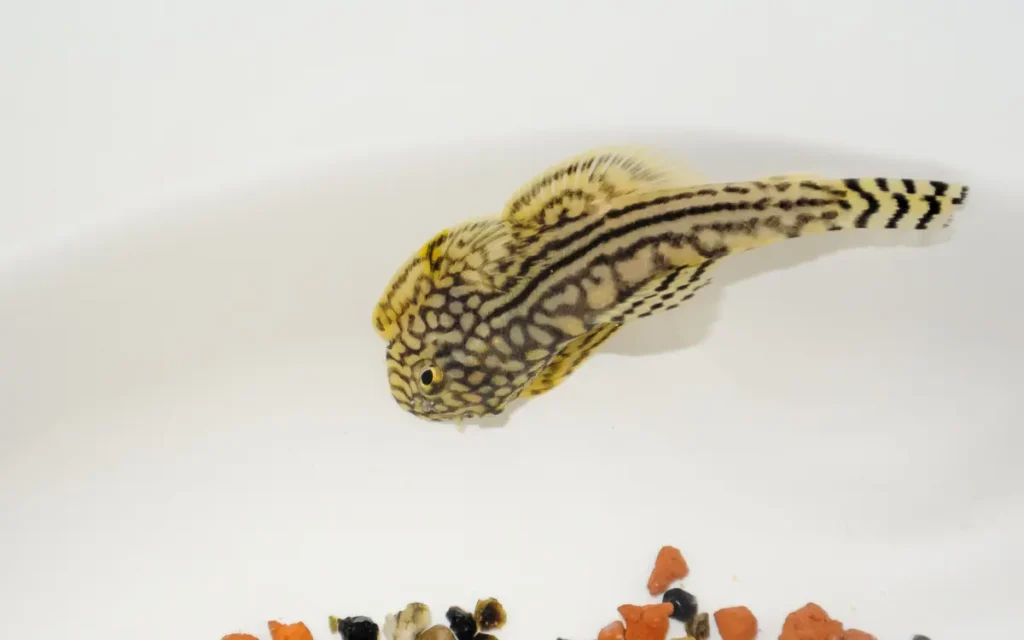
The Hillstream Loach is not your typical aquarium fish. At first glance, it looks more like a small stingray than a loach, with a flat body and wide fins that help it cling to surfaces.
What makes this fish special is where it comes from. In the wild, hillstream loaches live in fast-moving mountain streams with strong currents and very high oxygen levels. That’s why many beginners struggle with them. A standard aquarium setup simply doesn’t match their natural environment.
If you get the setup right, though, they become one of the most interesting and rewarding fish you can keep.
Species Overview
| Category | Details |
| Scientific Name | Sewellia lineolata |
| Common Names | Hillstream Loach, Butterfly Loach |
| Size | 2–3 inches |
| Lifespan | 5–8 years |
| Tank Size | Minimum 20 gallons |
| Temperament | Peaceful |
| Care Level | Moderate to Advanced |
Natural Habitat and Behavior
Hillstream loaches come from cool, fast-flowing streams in Asia. These waters are shallow, clear, and constantly moving. Oxygen levels are very high, and the substrate is usually made of smooth rocks.
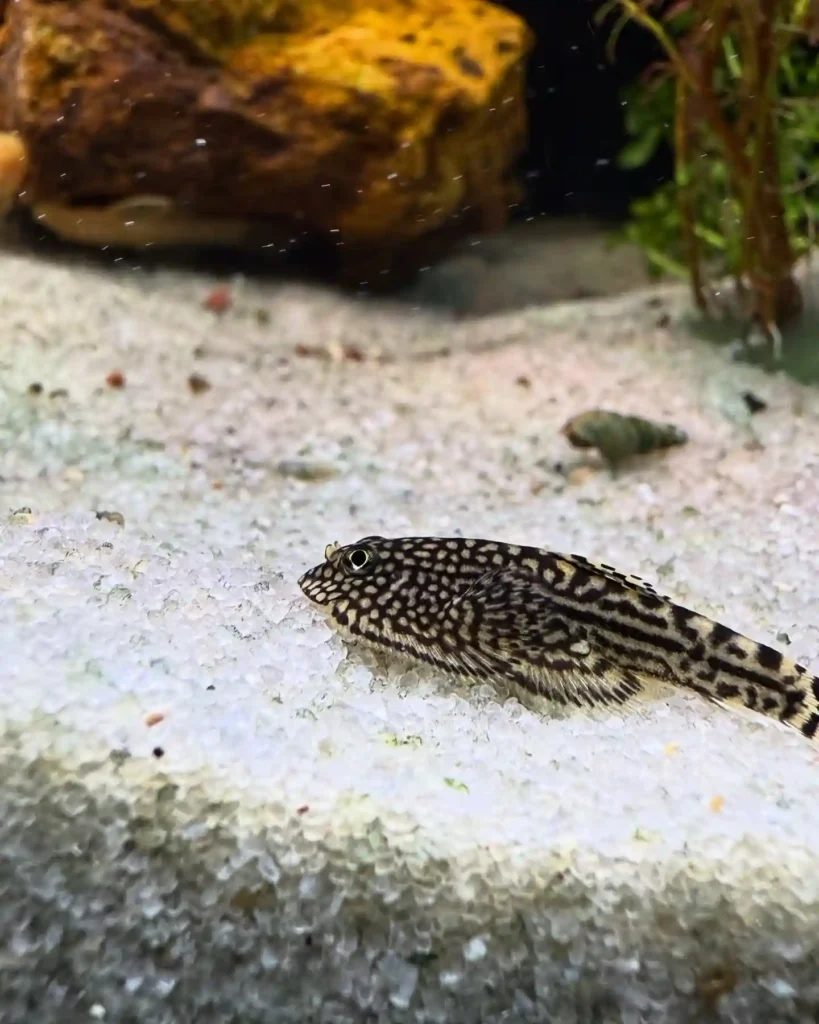
Because of this, their entire body is built for gripping surfaces. Instead of swimming like most fish, they spend most of their time attached to rocks, glass, or decorations. You’ll often see them grazing on algae or biofilm.
They are peaceful and not aggressive, but they do prefer having their own space to rest and feed.
Tank Setup for Hillstream Loach
Tank Size Requirements
A 20-gallon tank is the minimum, but honestly, bigger is better. Smaller tanks struggle to maintain stable oxygen levels and water flow.
If you plan to keep more than one, go for a 30-gallon or larger setup. Stability matters more than anything with this species.
Water Flow and Oxygen
This is where most people get it wrong.
Hillstream loaches need strong water movement. Not just a filter, but actual flow that mimics a river. Without it, oxygen levels drop, and the fish becomes stressed.
Use:
- A strong canister filter or power filter
- Additional powerheads for flow
- Surface agitation for oxygen exchange
If the water looks still, it’s not enough.
Substrate and Decorations
Forget sharp gravel. These fish spend their lives pressed against surfaces, so everything should be smooth.
Best options include:
- Rounded river stones
- Flat rocks
- Driftwood
Create multiple resting areas where they can cling and graze comfortably.
Lighting and Algae Growth
Moderate lighting works best. You actually want some algae growth in this tank.
A completely clean tank may look nice, but it removes a natural food source. Let rocks and surfaces develop a light algae layer.
Ideal Water Parameters
| Parameter | Ideal Range |
| Temperature | 68–75°F (20–24°C) |
| pH | 6.5–7.5 |
| Hardness | Soft to moderate |
| Flow | Strong current |
Consistency matters more than chasing exact numbers. Sudden changes can stress them quickly.
Diet and Feeding
What Do Hillstream Loaches Eat
In the wild, they feed mostly on algae and microorganisms found on rocks. This constant grazing behavior continues in the aquarium.
Best Foods in Aquarium
They won’t survive on algae alone in most tanks, so you need to supplement their diet.
Good options include:
- Algae wafers
- Blanched zucchini or spinach
- Sinking foods designed for herbivores
Let food settle on surfaces where they can easily graze.
Feeding Tips
One common mistake is assuming they’ll “clean the tank.” They won’t.
If your tank is too clean and you’re not feeding properly, they can slowly starve. Always check if they are actively grazing and eating.
Tank Mates for Hillstream Loach
Compatible Fish
Choose peaceful fish that enjoy similar conditions:
- White Cloud Mountain Minnows
- Danios
- Small rasboras
These species handle cooler water and stronger flow well.
Fish to Avoid
Avoid fish that create stress or need different conditions:
- Aggressive species
- Warm-water tropical fish
- Slow bottom dwellers that compete for food
Mixing incompatible fish is one of the fastest ways to cause problems.
Common Problems and Mistakes
Low Oxygen Levels
This is the number one issue. Without enough oxygen, hillstream loaches become inactive and weak.
Weak Water Flow
A normal aquarium filter is often not enough. These fish need noticeable current, not just filtration.
Overly Clean Tanks
If you constantly clean every surface, you remove algae and biofilm. That means less natural food.
Breeding Hillstream Loach
Breeding is possible but not common in home aquariums.
It usually happens in well-established tanks with stable conditions, strong flow, and plenty of hiding spots. Fry are small and require biofilm to survive.
How to Care for Hillstream Loach (Quick Summary)
Hillstream loaches are not difficult, but they are very specific.
They need strong current, high oxygen, cooler water, and a steady food source. If any of these are missing, they won’t do well.
FAQs
Are Hillstream Loaches good for beginners?
Not really. They require a specific setup that most beginner tanks don’t provide.
Do Hillstream Loaches need a filter?
Yes, and not just any filter. You need strong filtration combined with good water movement.
Can Hillstream Loaches live in a normal tank?
A standard low-flow tank usually doesn’t work. They need conditions similar to a flowing stream.
Do they eat algae?
Yes, but algae alone is not enough. You still need to feed them regularly.
How many should be kept together?
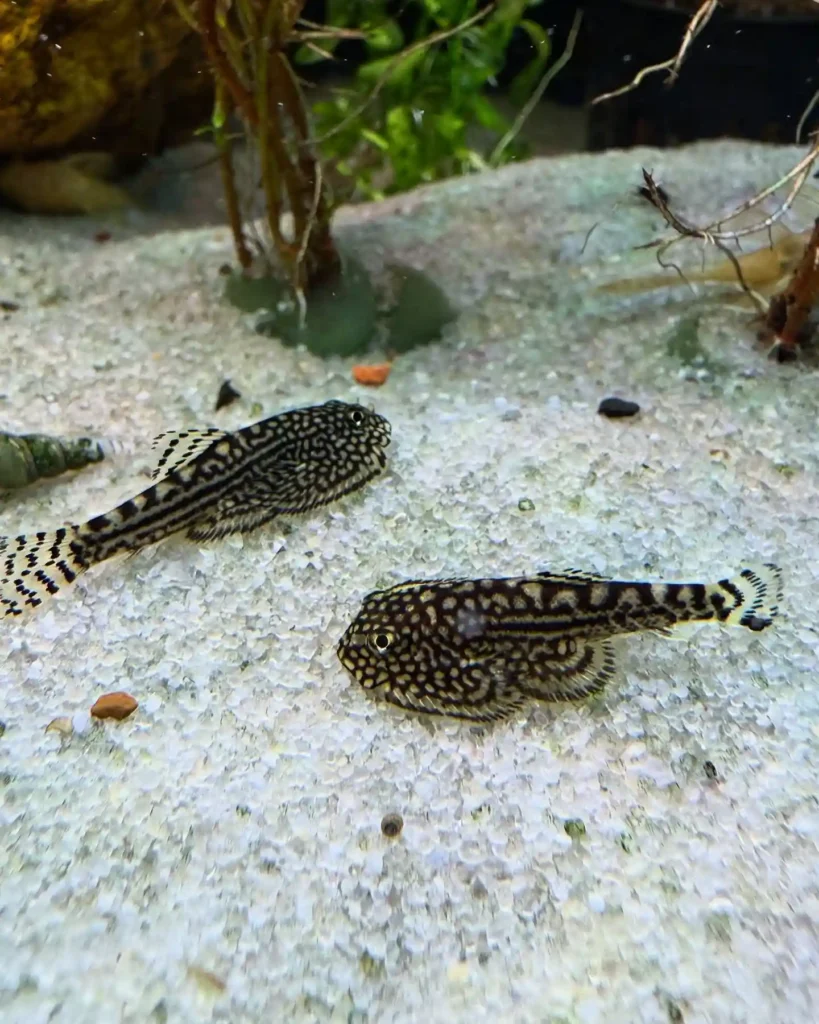
They can be kept alone, but small groups work well if the tank has enough space.
Conclusion
Hillstream loaches are one of those fish that either thrive or struggle depending on your setup. There’s not much middle ground.
If you build a tank with strong flow, high oxygen, and natural grazing surfaces, they will stay active and healthy. If you treat them like a regular bottom feeder, they won’t last long.
For more beginner-friendly bottom dwellers, check your guide on corydoras or explore your freshwater setup guides on OceanBitez.
