
35 Best Community Fish for Peaceful Freshwater Aquariums

A peaceful community aquarium is not built by picking random fish marked “peaceful” at the store. Fish still need to match in size, behavior, water temperature, swimming level, and activity.
Some peaceful fish are too active for slow tank mates. Some are small enough to get eaten. Others become stressed if they are not kept in groups. That is why the best community fish are not only calm. They also need to fit the same tank plan.
This guide will help you choose freshwater community fish that actually work together. You will find beginner-friendly choices, fish for different tank sizes, bottom dwellers, centerpiece fish, schooling fish, and combinations that make sense in real aquariums.
Best Community Fish for Beginners
The best community fish for beginners are Guppies, Platies, Zebra Danios, Neon Tetras, Harlequin Rasboras, Corydoras, Cherry Barbs, and Honey Gouramis.
These fish are popular because they are peaceful, easy to feed, widely available, and not too difficult to care for. A 20-gallon tank is a better starting point than a 10-gallon tank because it gives you more room to keep proper groups and avoid overcrowding.
For a simple beginner community tank, choose one schooling fish, one peaceful centerpiece fish, and one bottom-dwelling group.
Example:
8 Neon Tetras
1 Honey Gourami
6 Corydoras
That type of setup is balanced, active, and much easier to manage than mixing too many random fish.
What Is a Community Fish?
A community fish is a freshwater fish that can live peacefully with other compatible species in the same aquarium. Most community fish are calm, non-predatory, and do not claim large territories.
But this does not mean every community fish can live with every other community fish.
A fish may be peaceful but still be a poor match because of size, water needs, or behavior. For example, a fast Zebra Danio may stress a slow Betta in a small tank. A large Angelfish may eat tiny Ember Tetras even if the Angelfish is not acting aggressive.
A good community tank needs fish that match in:
Size
Temperament
Temperature
pH and hardness
Swimming level
Group size
Activity level
When these things match, the tank is calmer and fish behave more naturally.
Guppy (Poecilia reticulata)
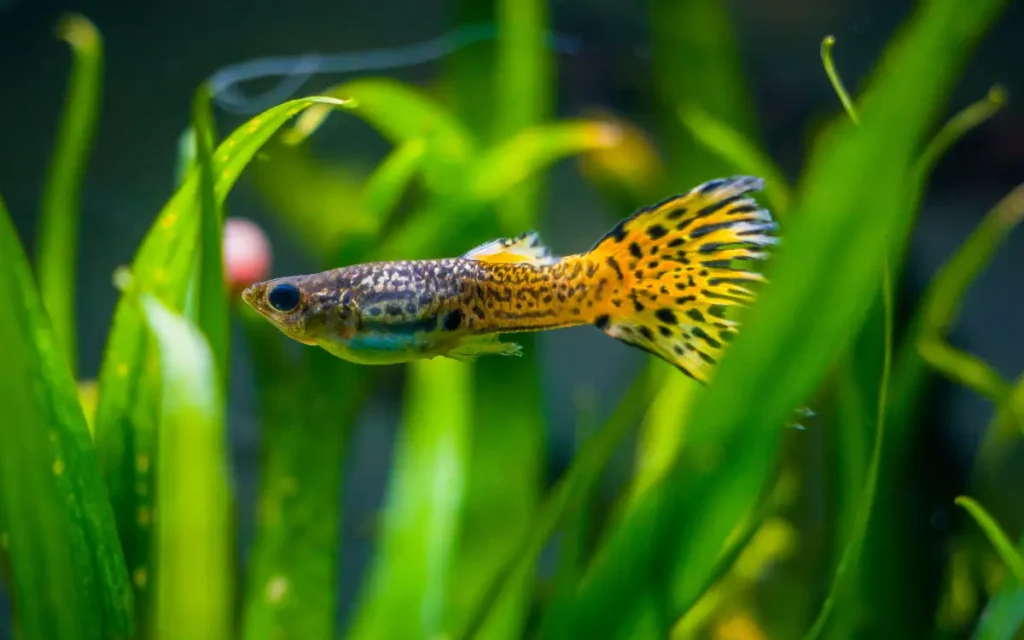
Guppies are one of the easiest community fish for beginners. They are colorful, active, and peaceful when kept with the right tank mates. They spend most of their time near the top and middle of the aquarium.
Male Guppies have longer, brighter fins, so avoid keeping them with fin-nipping fish. They do best with calm species that will not chase or bite their tails.
- Quick care: 10+ gallons, 72-82°F, pH 6.5-8.0, group of 3+
- Why they work: Hardy, colorful, peaceful, and easy to feed.
- Watch out for: They breed quickly and can overcrowd small tanks.
- Best tank mates: Platies, Corydoras, Harlequin Rasboras, Honey Gourami.
Platy (Xiphophorus maculatus)
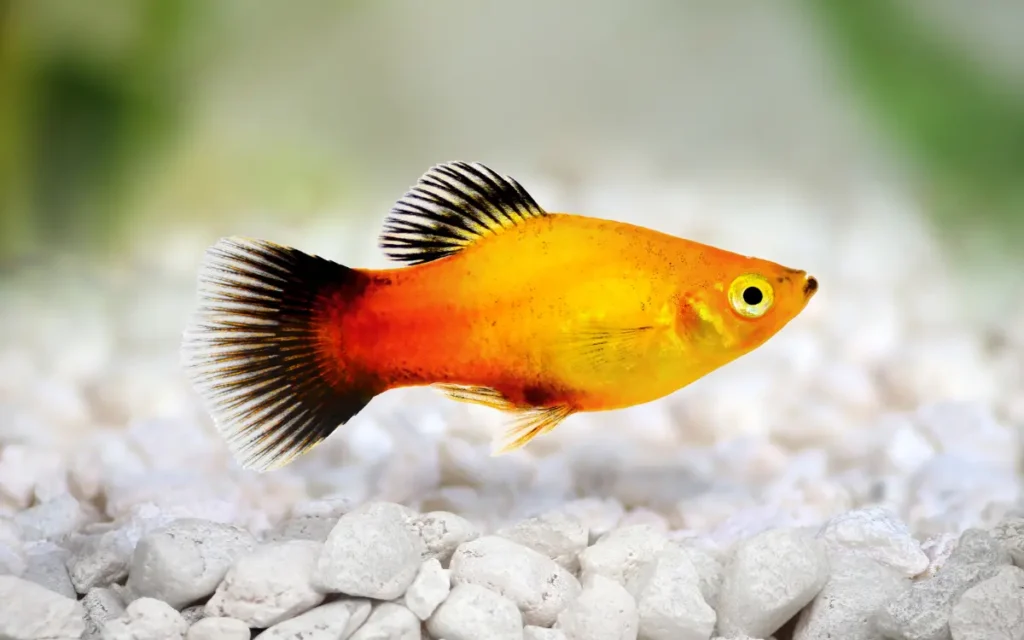
Platies are hardy livebearers that work well in beginner community tanks. They are peaceful, active, and available in many colors.
They prefer slightly harder, more alkaline water, so they mix well with Guppies, Swordtails, and Mollies. They are forgiving fish, but you still need to control breeding if males and females are kept together.
- Quick care: 10+ gallons, 70-78°F, pH 7.0-8.2, group of 3+
- Why they work: Calm, hardy, and beginner-friendly.
- Watch out for: They reproduce quickly.
- Best tank mates: Guppies, Swordtails, Mollies, Corydoras.
Zebra Danio (Danio rerio)
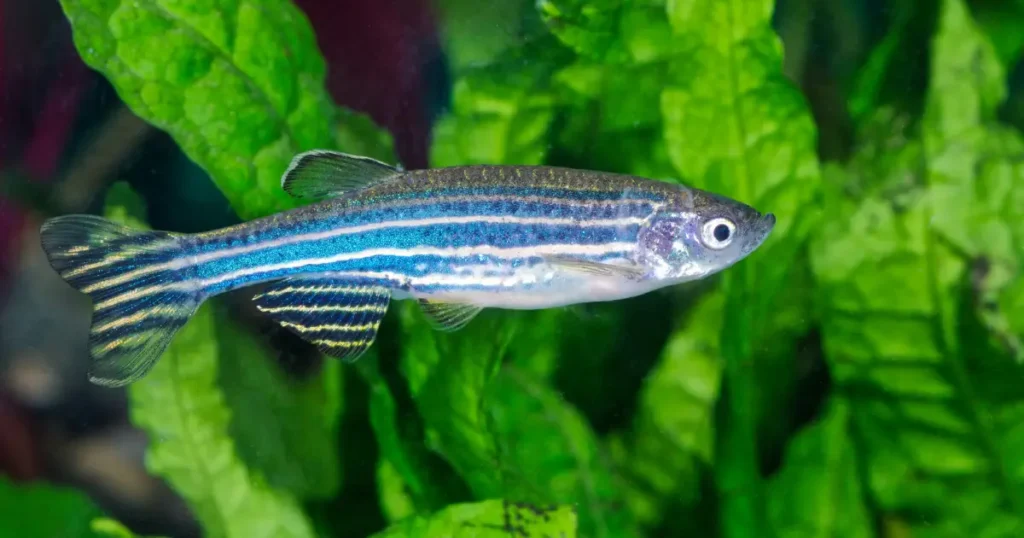
Zebra Danios are fast, hardy schooling fish that bring constant movement to the top and middle of the tank. They are great for beginners because they can handle a wider range of temperatures than many tropical fish.
They are peaceful, but their speed can bother slow or shy fish in small tanks.
- Quick care: 10+ gallons, 64-77°F, pH 6.5-7.5, group of 6+
- Why they work: Very hardy, active, and easy to care for.
- Watch out for: Their fast swimming may stress slow fish.
- Best tank mates: Corydoras, Platies, White Cloud Minnows, Rosy Barbs.
Cory Catfish (Corydoras)
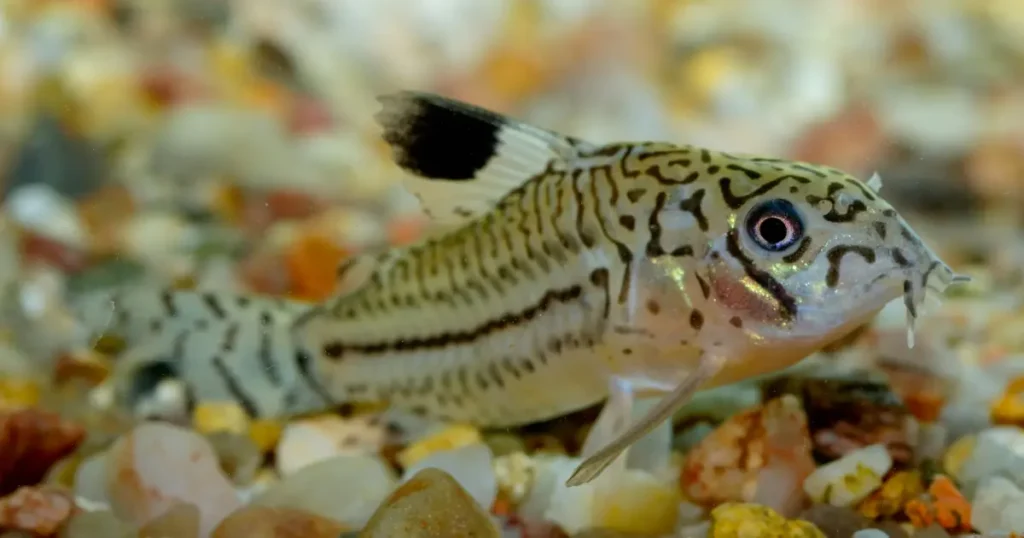
Corydoras are peaceful bottom dwellers that search the substrate for food. They are social fish, so they should be kept in groups.They need soft sand or smooth substrate because sharp gravel can damage their barbels.
- Quick care: 15+ gallons, 72-78°F, pH 6.0-7.5, group of 5+
- Why they work: Very peaceful and great for the bottom level.
- Watch out for: They need sinking food and soft substrate.
- Best tank mates: Tetras, Rasboras, Guppies, Honey Gourami.
Neon Tetra (Paracheirodon innesi)
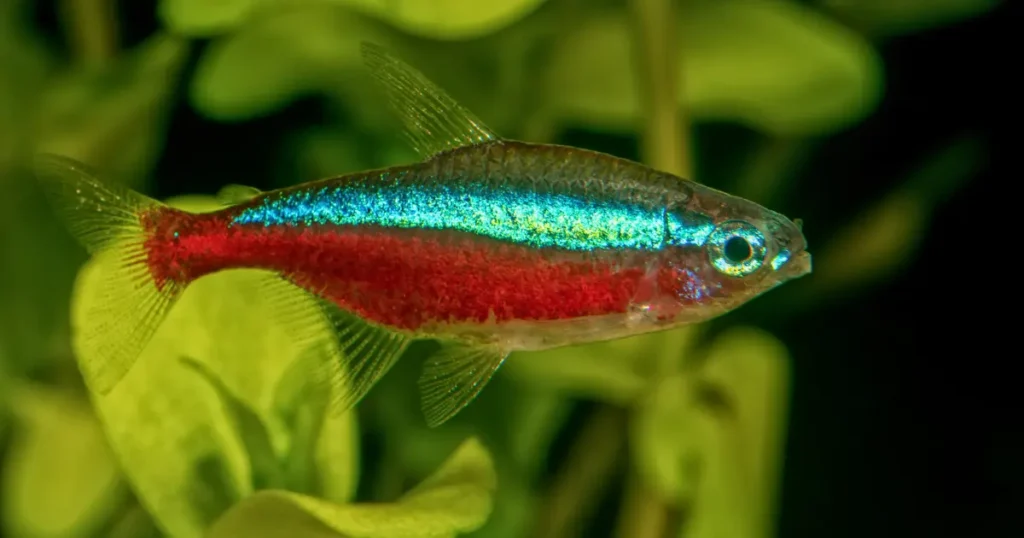
Neon Tetras are small, peaceful schooling fish with bright blue and red colors. They look best in planted tanks where they can swim as a group.
They should be kept with other small, calm fish. Avoid large tank mates that may see them as food.
- Quick care: 10+ gallons, 70-78°F, pH 6.0-7.0, group of 6+
- Why they work: Peaceful, colorful, and easy to mix with small fish.
- Watch out for: They are small enough to be eaten by larger fish.
- Best tank mates: Corydoras, Harlequin Rasboras, Ember Tetras, Honey Gourami.
Harlequin Rasbora (Trigonostigma heteromorpha)
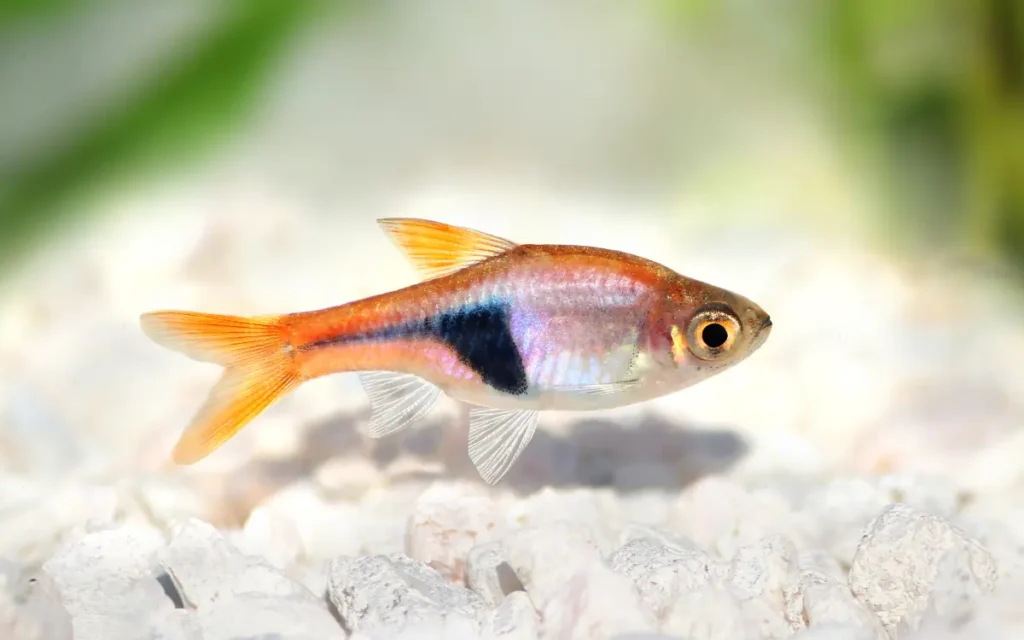
Harlequin Rasboras are calm schooling fish with a black triangular mark on the body. They are one of the safest choices for peaceful community tanks.
They stay mostly in the middle of the aquarium and look best in groups of six or more.
- Quick care: 10+ gallons, 72-80°F, pH 6.0-7.5, group of 6+
- Why they work: Peaceful, hardy, and good for planted tanks.
- Watch out for: They may hide if kept in small numbers.
- Best tank mates: Neon Tetras, Corydoras, Honey Gourami, Kuhli Loaches.
Panda Corydoras (Corydoras panda)
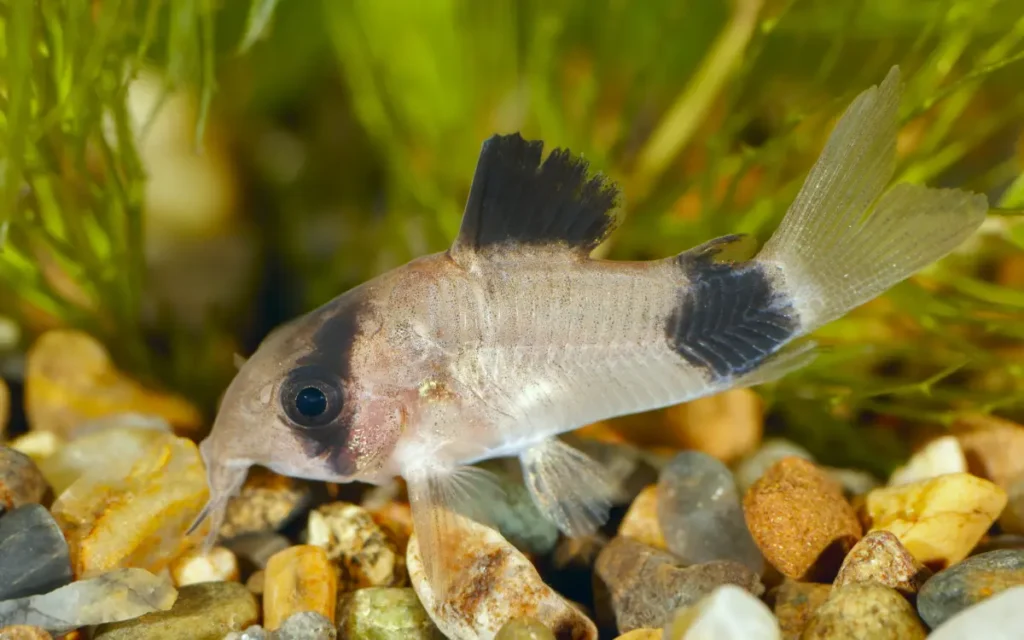
Panda Corydoras are smaller corys with a black-and-white pattern. They are peaceful, active, and fun to watch in groups.They are slightly more sensitive than some common Corydoras, so stable water is important.
- Quick care: 15+ gallons, 68-77°F, pH 6.0-7.5, group of 6+
- Why they work: Gentle bottom fish for peaceful tanks.
- Watch out for: They do not like dirty substrate or poor water quality.
- Best tank mates: Neon Tetras, Ember Tetras, Rasboras, Cherry Barbs.
Ember Tetra (Hyphessobrycon amandae)
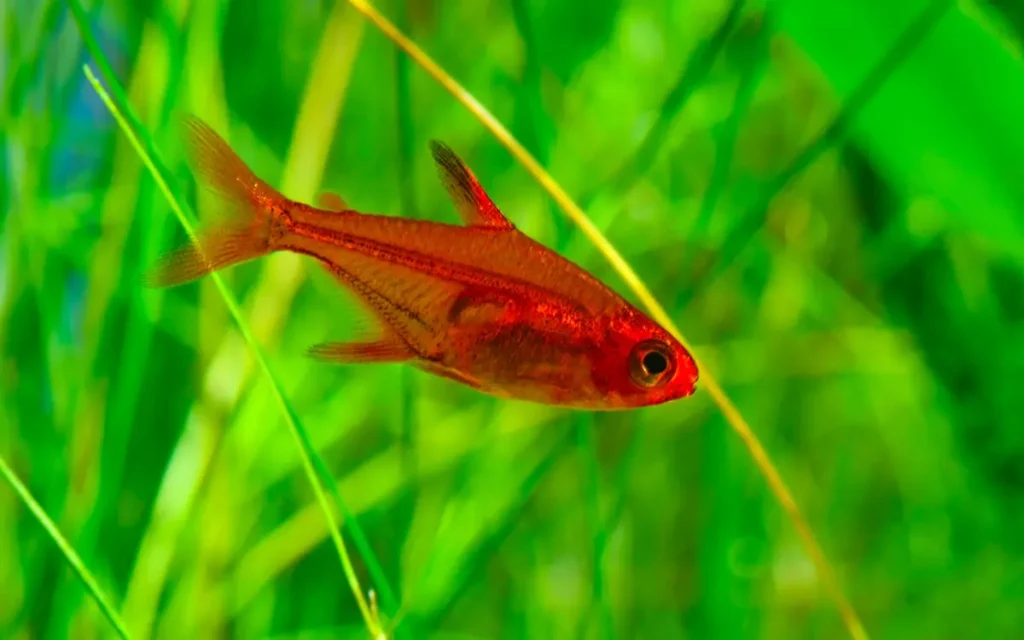
Ember Tetras are tiny orange fish that work beautifully in planted nano tanks. They are peaceful and best kept with other small, calm fish.
Because they are very small, they should not be mixed with large or aggressive species.
- Quick care: 10+ gallons, 72-82°F, pH 5.5-7.5, group of 6+
- Why they work: Peaceful, colorful, and great for planted aquariums.
- Watch out for: They can be eaten by larger fish.
- Best tank mates: Chili Rasboras, Pygmy Corydoras, Honey Gourami, shrimp.
Cardinal Tetra (Paracheirodon axelrodi)
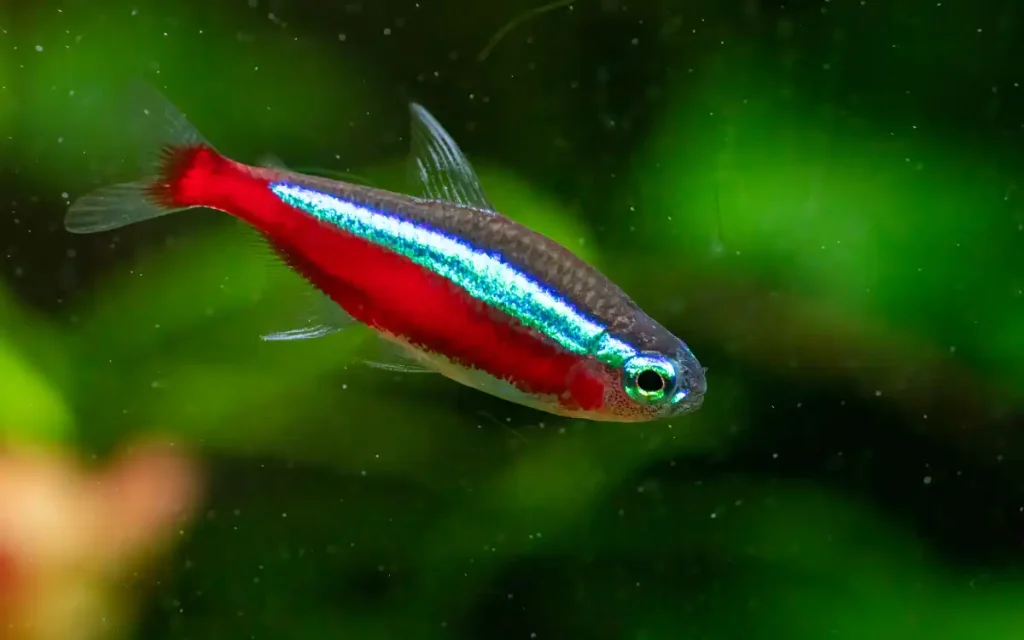
Cardinal Tetras look similar to Neon Tetras but have a stronger red stripe. They are peaceful schooling fish that look best in planted tanks.
They need stable water and are usually better for aquariums that are already mature.
- Quick care: 15+ gallons, 73-81°F, pH 5.5-7.0, group of 6+
- Why they work: Bright, peaceful, and beautiful in groups.
- Watch out for: They are more sensitive than Neon Tetras.
- Best tank mates: Corydoras, Rummynose Tetras, Harlequin Rasboras, Otocinclus.
Rummynose Tetra (Hemigrammus rhodostomus)
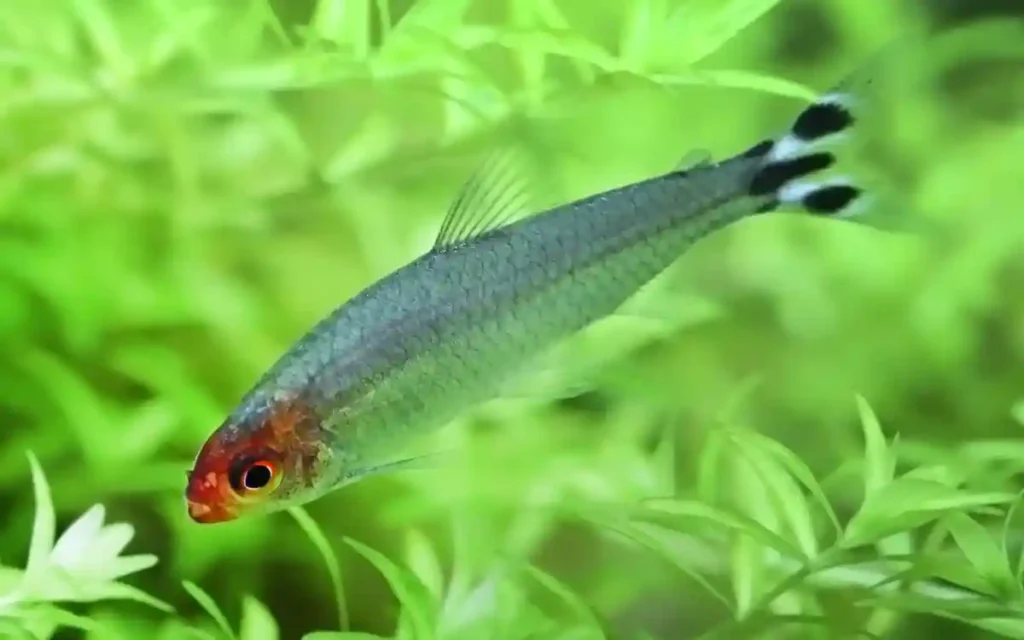
Rummynose Tetras are known for their red faces and tight schooling behavior. They are peaceful and create a very natural look in planted aquariums. They need clean, stable water. If their red nose fades, it can be a sign of stress or poor water quality.
- Quick care: 20+ gallons, 75-82°F, pH 5.5-7.0, group of 6+
- Why they work: Excellent schooling fish for peaceful tanks.
- Watch out for: Sensitive to poor water and sudden changes.
- Best tank mates: Cardinal Tetras, Corydoras, Pearl Gourami, Otocinclus.
Celestial Pearl Danio (Danio margaritatus)
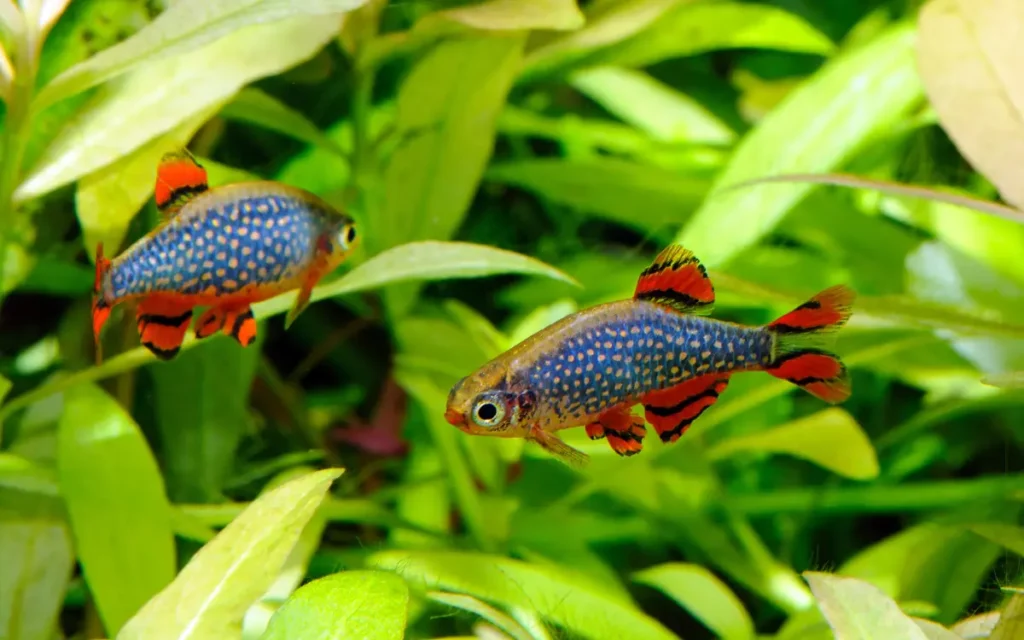
Celestial Pearl Danios are tiny, peaceful fish with spotted bodies and red fins. They are beautiful but can be shy.
They need plants, gentle tank mates, and a calm setup. They are best for aquarists who like smaller planted aquariums.
- Quick care: 10+ gallons, 68-77°F, pH 6.5-7.5, group of 6+
- Why they work: Peaceful and beautiful in planted tanks.
- Watch out for: They may hide with very active fish.
- Best tank mates: Ember Tetras, Chili Rasboras, Pygmy Corydoras, shrimp.
Honey Gourami (Trichogaster chuna)
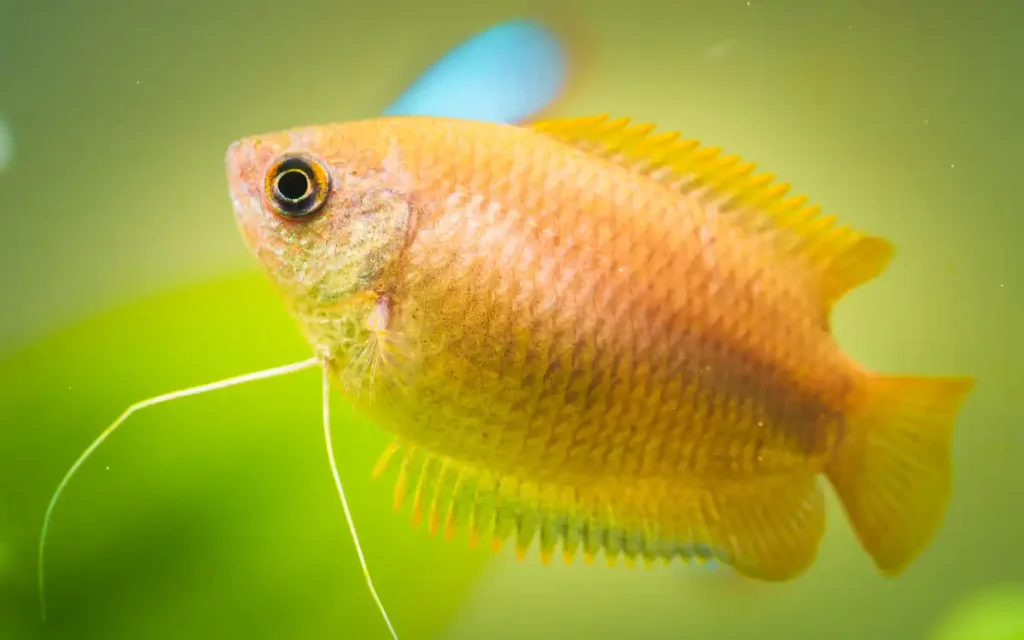
Honey Gouramis are one of the best peaceful centerpiece fish for small community tanks. They are calmer than many other Gouramis and usually stay near the top. They enjoy plants, floating cover, and gentle tank mates.
- Quick care: 10+ gallons, 72-82°F, pH 6.0-7.5, 1-2 fish
- Why they work: Peaceful centerpiece fish with personality.
- Watch out for: Multiple males may argue in small tanks.
- Best tank mates: Rasboras, Corydoras, Neon Tetras, Kuhli Loaches.
Kuhli Loach (Pangio kuhlii)
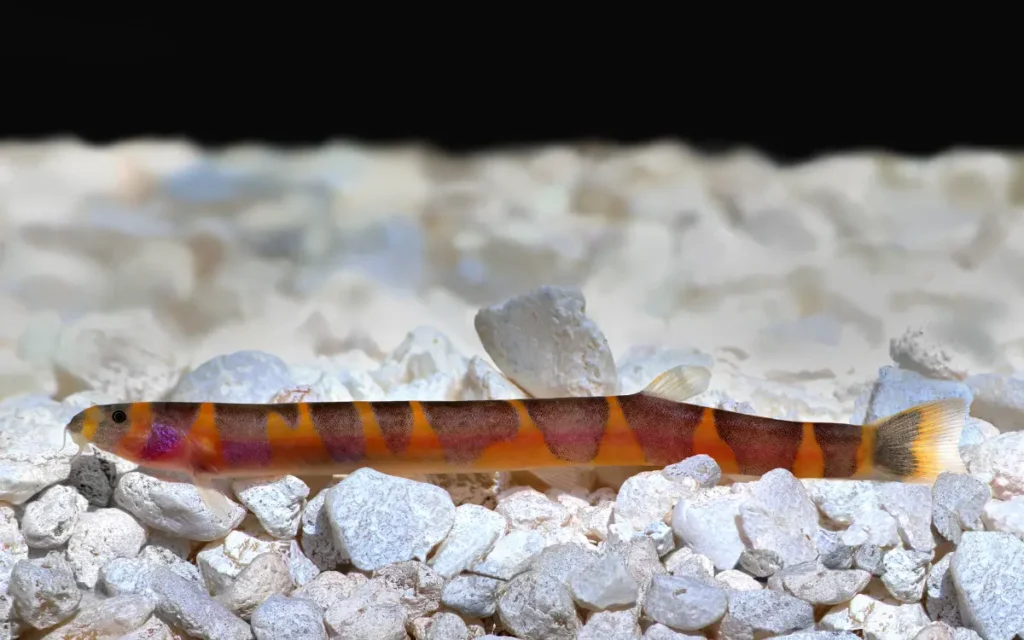
Kuhli Loaches are eel-like bottom dwellers that hide during the day and become active at night. They are peaceful and do best in groups. They need soft substrate, hiding spaces, and a tight lid because they can escape through small gaps.
- Quick care: 20+ gallons, 75-82°F, pH 5.5-7.0, group of 5+
- Why they work: Peaceful bottom fish with fun behavior.
- Watch out for: They hide often and need soft sand.
- Best tank mates: Rasboras, Tetras, Honey Gourami, Cherry Barbs.
Otocinclus Catfish (Otocinclus spp.)
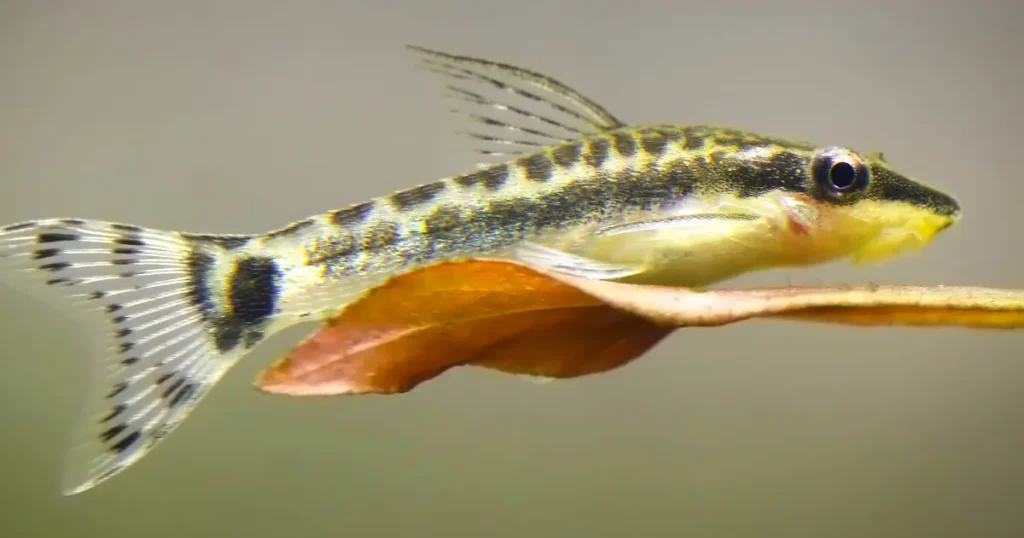
Otocinclus are small algae-eating fish for mature planted tanks. They are peaceful and stay on glass, plants, and hard surfaces. They should not be added to brand-new tanks because they need stable water and enough algae or added food.
- Quick care: 15+ gallons, 72-79°F, pH 6.0-7.5, group of 4+
- Why they work: Peaceful algae grazer for planted tanks.
- Watch out for: Sensitive when first added.
- Best tank mates: Tetras, Rasboras, Corydoras, shrimp.
Molly (Poecilia spp.)
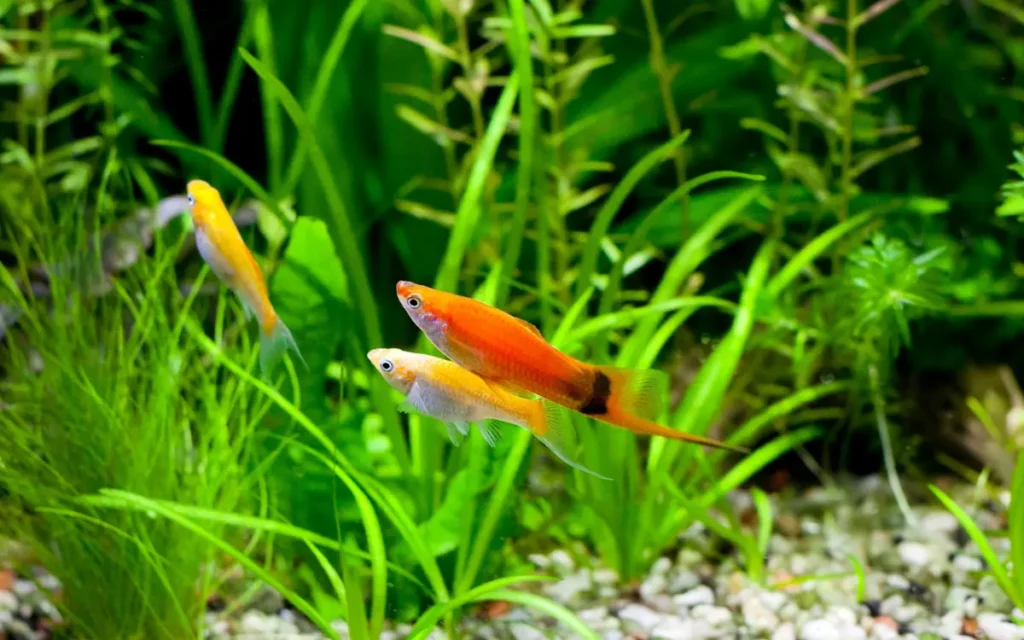
Mollies are active livebearers that come in many colors and fin types. They are usually peaceful, but they prefer harder, more alkaline water. They need good water quality and enough space.
- Quick care: 20+ gallons, 72-82°F, pH 7.0-8.5, group of 3+
- Why they work: Active, colorful, and widely available.
- Watch out for: Need stable water and may breed quickly.
- Best tank mates: Platies, Swordtails, Guppies, Bristlenose Pleco.
Swordtail (Xiphophorus hellerii)
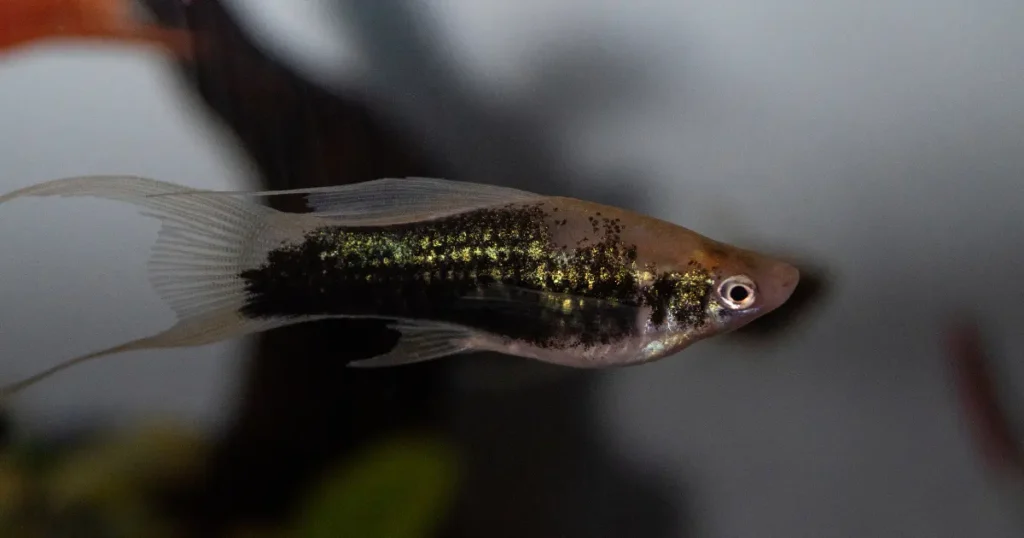
Swordtails are active livebearers with a long lower tail on males. They are hardy and colorful, but they need more space than Guppies or Platies. Males may compete, so avoid keeping too many males in a small tank.
- Quick care: 20+ gallons, 72-82°F, pH 7.0-8.0, group of 3+
- Why they work: Hardy, active, and good for larger livebearer tanks.
- Watch out for: Males can become pushy.
- Best tank mates: Mollies, Platies, Danios, Corydoras.
Dwarf Gourami (Trichogaster lalius)
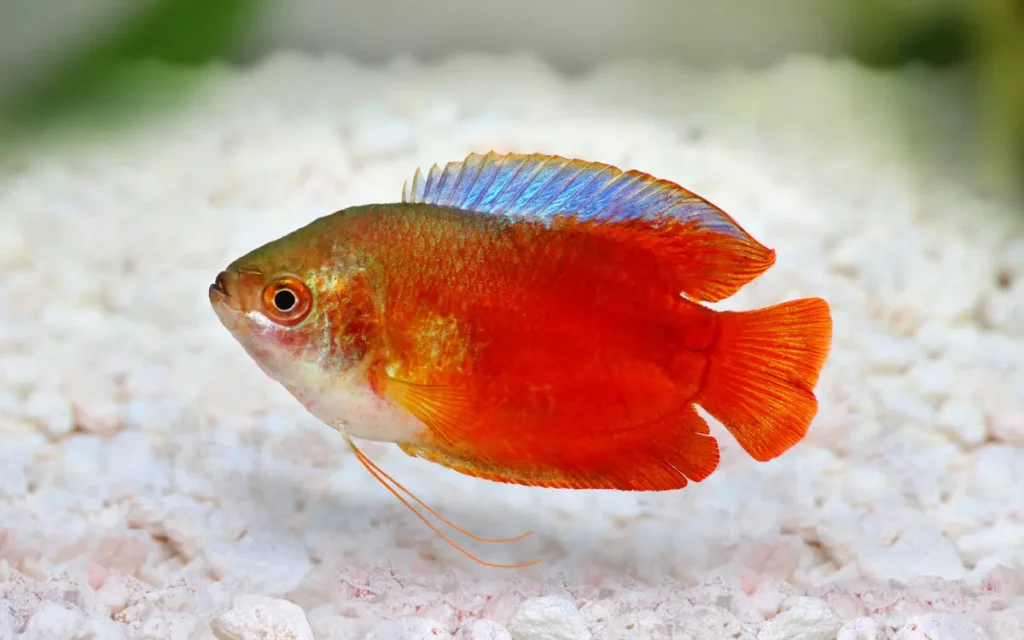
Dwarf Gouramis are colorful centerpiece fish, but they need careful planning. Many are peaceful, but males can become territorial.They do best in planted tanks with calm tank mates and enough space.
- Quick care: 20+ gallons, 72-82°F, pH 6.0-7.5, 1 male or pair
- Why they work: Adds color and a centerpiece role.
- Watch out for: Some males become territorial.
- Best tank mates: Corydoras, Rasboras, Neon Tetras, peaceful bottom fish.
Pearl Gourami (Trichopodus leerii)
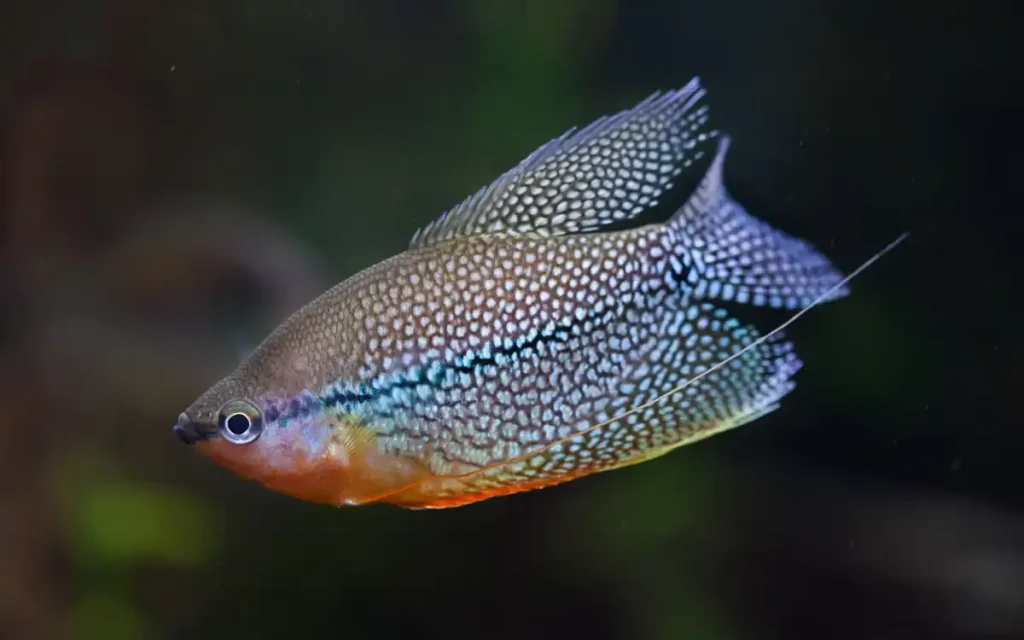
Pearl Gouramis are graceful, peaceful centerpiece fish for larger planted tanks. They are calmer than many other Gouramis and work well with medium-sized peaceful fish.
They prefer quiet tanks with plants and open swimming space.
- Quick care: 30+ gallons, 72-82°F, pH 6.0-7.5, 1-2 fish
- Why they work: Peaceful for their size and great for planted tanks.
- Watch out for: Can become shy with overly active tank mates.
- Best tank mates: Corydoras, Rummynose Tetras, Rainbowfish, Bristlenose Pleco.
Bolivian Ram (Mikrogeophagus altispinosus)
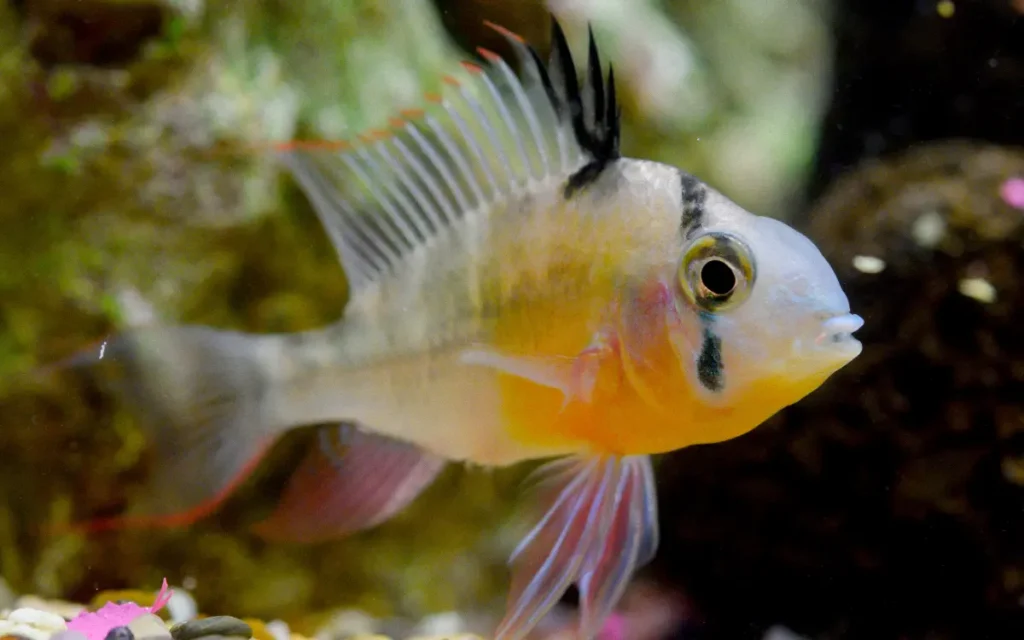
Bolivian Rams are peaceful dwarf cichlids that can work in community tanks. They are more forgiving than German Blue Rams and have a calmer personality.
They like soft substrate and peaceful tank mates.
- Quick care: 20+ gallons, 72-79°F, pH 6.0-7.5, pair or small group
- Why they work: One of the better cichlids for peaceful communities.
- Watch out for: May guard territory during breeding.
- Best tank mates: Tetras, Corydoras, Pearl Gourami, Bristlenose Pleco.
German Blue Ram (Mikrogeophagus ramirezi)
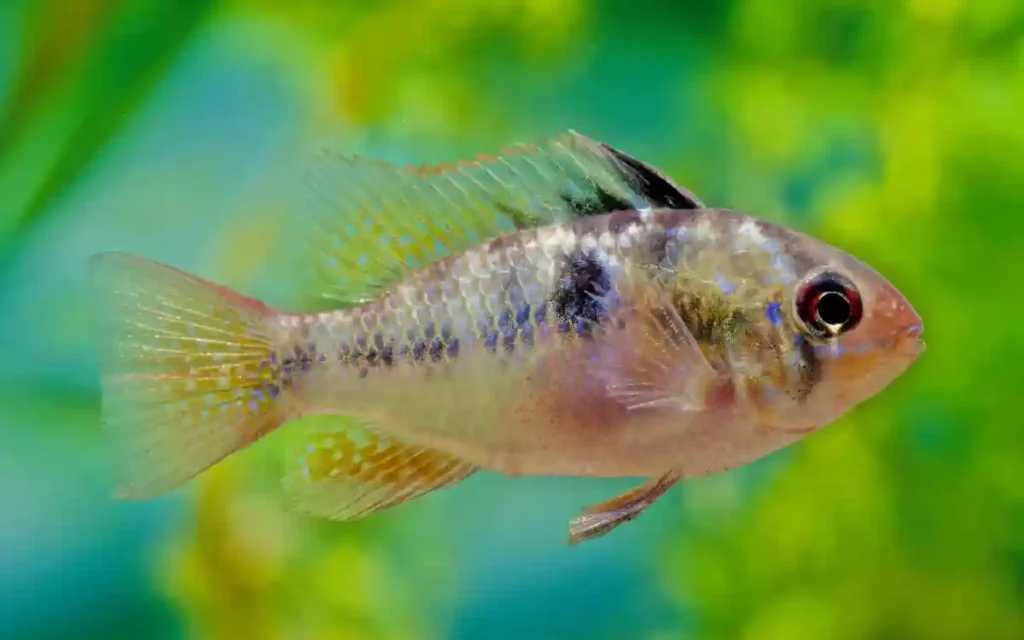
German Blue Rams are beautiful dwarf cichlids, but they are sensitive. They need warm, stable water and calm tank mates.
They are best for experienced aquarists, not brand-new tanks.
- Quick care: 20+ gallons, 78-85°F, pH 5.5-7.0, usually kept as a pair
- Why they work: Peaceful and colorful in the right setup.
- Watch out for: Sensitive to poor water quality.
- Best tank mates: Cardinal Tetras, Rummynose Tetras, Otocinclus, peaceful Corydoras.
Rainbowfish (Melanotaeniidae family)
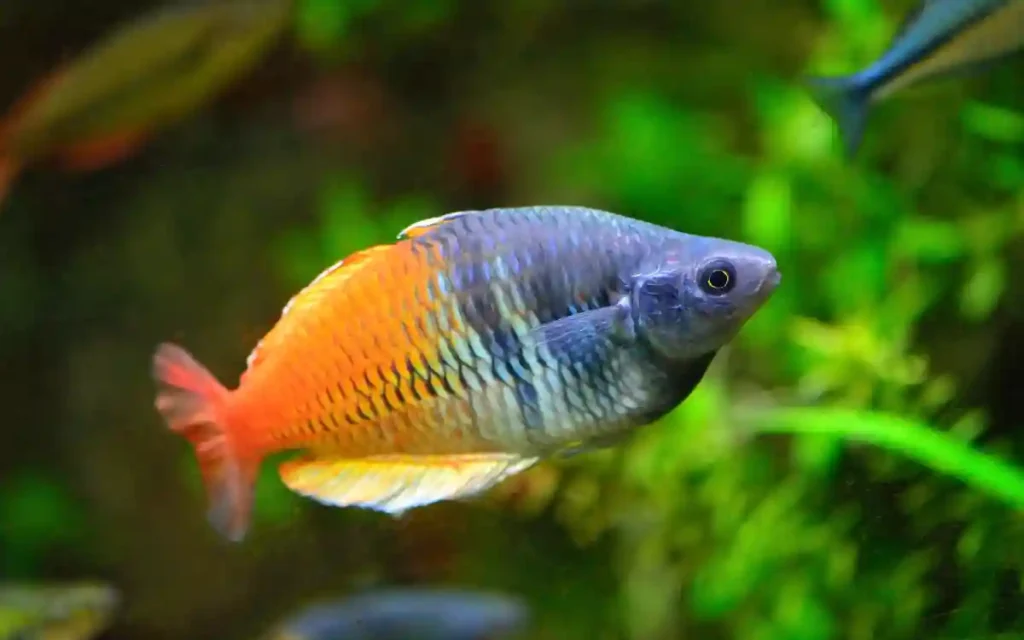
Rainbowfish are active, colorful fish for medium to large community tanks. They do best in groups and need open swimming space.
They are peaceful, but their activity can stress shy fish in small tanks.
- Quick care: 30+ gallons, 72-82°F, pH 6.5-8.0, group of 6+
- Why they work: Peaceful, colorful, and active.
- Watch out for: Need space and may bother shy fish with their movement.
- Best tank mates: Larger Tetras, Corydoras, Bristlenose Pleco, Pearl Gourami.
Threadfin Rainbowfish (Iriatherina werneri)
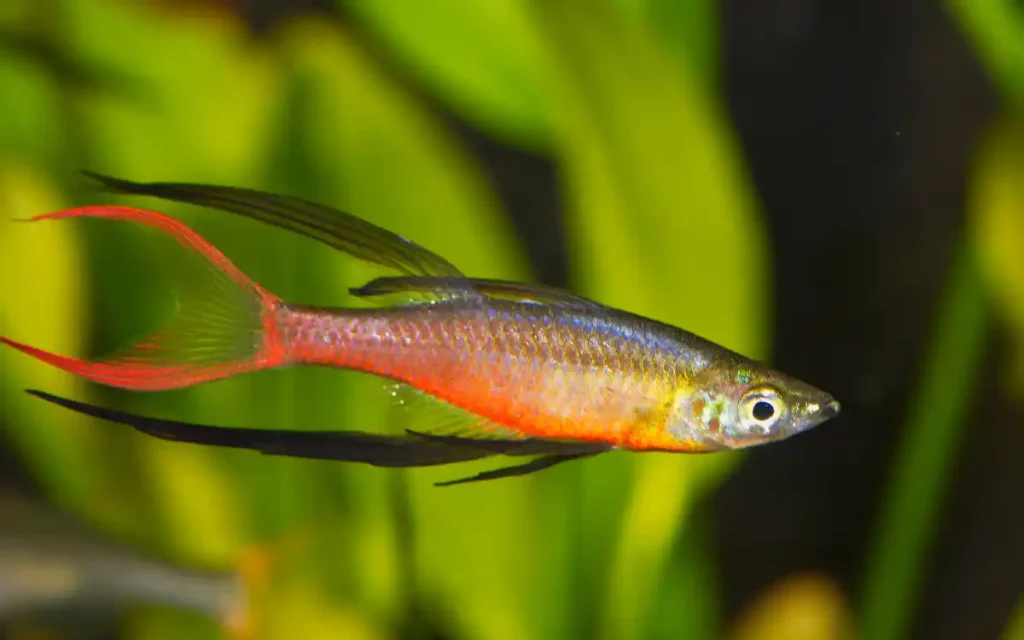
Threadfin Rainbowfish are delicate fish with long fins and graceful movement. They are peaceful but can be outcompeted by fast tank mates.
They work best in calm planted tanks with gentle fish.
- Quick care: 20+ gallons, 73-82°F, pH 6.0-7.5, group of 6+
- Why they work: Peaceful and unique for planted tanks.
- Watch out for: Delicate and slow during feeding.
- Best tank mates: Small Rasboras, Corydoras, Honey Gourami, peaceful Tetras.
Clown Pleco (Panaqolus maccus)
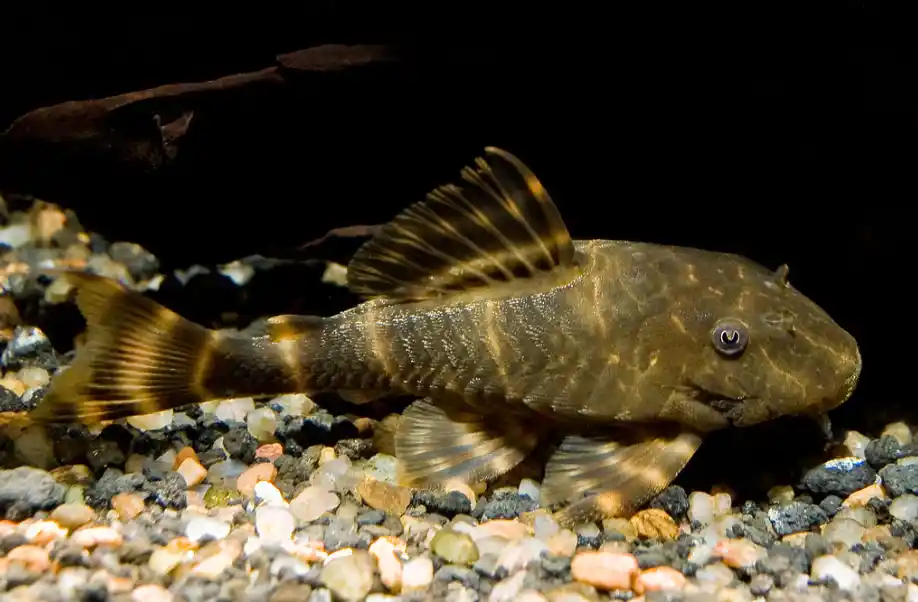
Clown Plecos are small, shy plecos that spend much of their time on driftwood and hidden surfaces. They are peaceful and fit well in community tanks.
They are not always visible, so they are better for keepers who enjoy natural behavior.
- Quick care: 20+ gallons, 73-82°F, pH 6.5-7.5, usually kept singly
- Why they work: Small peaceful pleco for community tanks.
- Watch out for: Needs driftwood and hides often.
- Best tank mates: Rasboras, Tetras, Corydoras, peaceful Gouramis.
Marbled Hatchetfish
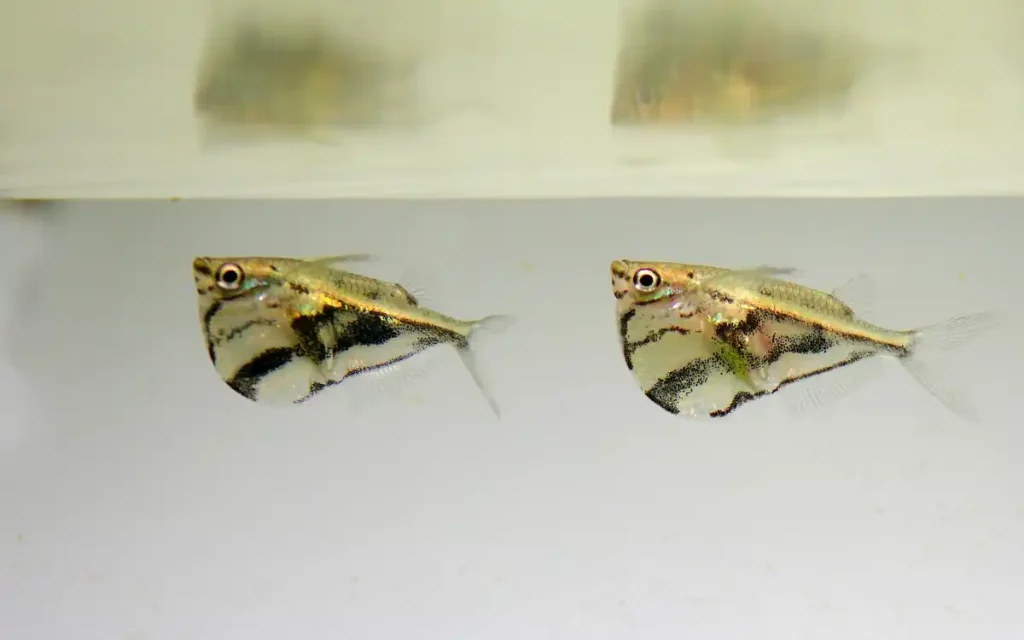
Marbled Hatchetfish are peaceful top-dwelling fish with a unique body shape. They spend most of their time near the surface.
They need a tight lid because they can jump.
- Quick care: 20+ gallons, 74-82°F, pH 5.5-7.0, group of 6+
- Why they work: Great fish for filling the top level.
- Watch out for: They jump easily.
- Best tank mates: Tetras, Corydoras, Otocinclus, peaceful dwarf cichlids.
Peacock Gudgeon
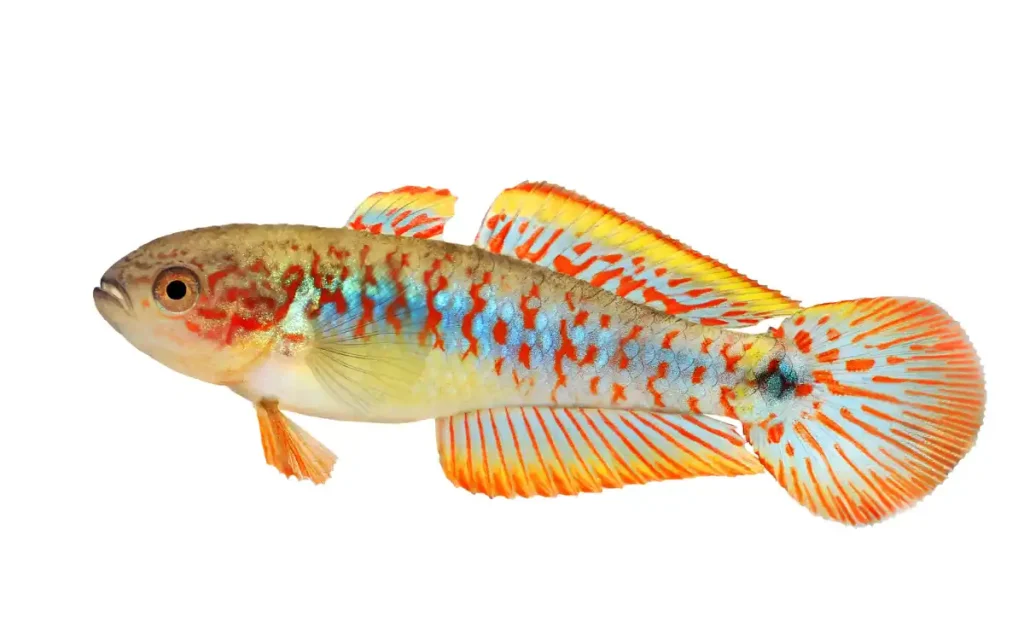
Peacock Gudgeons are colorful, peaceful fish with lots of personality. They are not true schooling fish, but they do well in pairs or small groups.
They prefer planted tanks with caves and calm tank mates.
- Quick care: 15-20+ gallons, 72-79°F, pH 6.5-7.5, pair or small group
- Why they work: Peaceful, colorful, and less common than many beginner fish.
- Watch out for: Males may guard caves during breeding.
- Best tank mates: Rasboras, Ember Tetras, Corydoras, Honey Gourami.
Best Community Fish by Tank Level
| Tank Level | Best Choices |
| Top | Guppies, Honey Gourami, Hatchetfish, Endler’s Livebearers |
| Middle | Neon Tetras, Harlequin Rasboras, Cherry Barbs, Rainbowfish |
| Bottom | Corydoras, Kuhli Loaches, Bristlenose Pleco, Otocinclus |
This matters because a balanced tank looks better and works better. If all your fish use the same space, the tank can feel crowded even when stocking numbers look fine.
Easy Community Tank Stocking Ideas
These examples are simple starting points. Always check your filter capacity, water parameters, and final adult size before stocking.
10-Gallon Peaceful Tank
A 10-gallon tank should stay simple.
Good option:
1 Honey Gourami
6 Ember Tetras
1 Nerite Snail
Another option:
6 Chili Rasboras
6 Pygmy Corydoras
Cherry Shrimp
Avoid overstocking small tanks. They can become unstable quickly.
20-Gallon Beginner Community Tank
A 20-gallon tank gives beginners much better options.
Good option:
8 Neon Tetras
6 Corydoras
1 Honey Gourami
Another option:
8 Harlequin Rasboras
6 Cherry Barbs
1 Bristlenose Pleco
This is one of the best sizes for a first peaceful community aquarium.
29-Gallon Planted Community Tank
A 29-gallon tank gives more space for plants and different tank levels.
Good option:
8 Cherry Barbs
6 Kuhli Loaches
1 Pearl Gourami or Honey Gourami
4 Otocinclus in a mature tank
This gives you movement in the middle, activity at the bottom, and a centerpiece fish near the top.
55-Gallon Active Community Tank
A 55-gallon tank is better for larger active fish.
Good option:
8 Rainbowfish
8 Congo Tetras or other larger peaceful Tetras
1 Bristlenose Pleco
6 Corydoras
This type of setup gives fish enough room to swim and helps reduce stress.
Fish to Avoid in Peaceful Community Tanks
Some fish are not ideal for peaceful beginner communities. They may be too aggressive, too large, too messy, or too likely to nip fins.
| Fish | Why It Can Be a Problem |
| Tiger Barb | Fin nipper, needs active tank mates |
| Red Tail Shark | Territorial as it matures |
| Oscar | Large predator that eats small fish |
| Jack Dempsey | Aggressive cichlid |
| Large Goldfish | Different temperature needs and messy waste |
| Common Pleco | Gets too large for most tanks |
| Crayfish | May catch fish |
| Serpae Tetra | Can nip fins in some setups |
These fish are not “bad.” They just need a different tank plan.
Common Community Tank Mistakes
Keeping Schooling Fish Alone
Many beginners buy one or two schooling fish. This causes stress. Tetras, Rasboras, Danios, Corydoras, and many Barbs need groups.
Choosing Fish Only by Color
Pretty fish are not always compatible fish. Behavior matters more than color.
Ignoring Adult Size
Many fish are sold small. Always check adult size before buying.
Mixing Fast Fish With Slow Fish
Fast fish can stress slow fish, even without biting them. Match activity levels carefully.
Adding Too Many Fish at Once
Adding a full community in one day can overload the filter. Add fish slowly and test the water.
Putting Fin Nippers With Long-Finned Fish
Tiger Barbs, some Tetras, and other nippy fish should not be kept with Bettas or Fancy Guppies.
FAQs
What is the best community fish for beginners?
The best beginner community fish include Guppies, Platies, Zebra Danios, Neon Tetras, Harlequin Rasboras, Corydoras, Cherry Barbs, and Honey Gouramis. These fish are peaceful, hardy, and easy to feed.
What size tank is best for a community aquarium?
A 20-gallon tank is the best starting size for most beginners. It gives enough space for small groups and keeps water more stable than a 10-gallon tank.
Can Guppies live in a community tank?
Yes, Guppies are great community fish. Keep them with peaceful tank mates and avoid fin nippers because male Guppies have long colorful fins.
Can Bettas live with community fish?
Bettas can live with community fish, but it depends on the Betta’s personality and tank setup. Calm tank mates like Corydoras, Harlequin Rasboras, and snails are safer choices.
What are the most peaceful community fish?
Some of the most peaceful community fish include Neon Tetras, Harlequin Rasboras, Ember Tetras, Corydoras, Honey Gouramis, Kuhli Loaches, and Otocinclus.
What bottom dwellers are best for community tanks?
Corydoras, Kuhli Loaches, Otocinclus, Bristlenose Plecos, and Clown Plecos are good bottom dwellers for peaceful aquariums.
Can you mix different community fish together?
Yes, but they should match in size, temperament, water temperature, pH, and activity level. A good mix usually includes schooling fish, a centerpiece fish, and bottom dwellers.
Why are my community fish fighting?
Community fish may fight because of overcrowding, small group size, breeding behavior, lack of hiding spaces, or poor tank mate choices. Check tank size and compatibility first.
Do community fish need live plants?
Live plants are not required for every species, but they help a lot. Plants give fish cover, reduce stress, and make the aquarium feel more natural.
