
10 Molly Fish Tank Mates

Molly fish can live with many peaceful community fish, but “peaceful” is not the only thing that matters. The best tank mates should also enjoy the same kind of water.
Mollies usually do best in warm, hard, slightly alkaline water. They are active swimmers, so they need more open space than many beginners expect. A 20-gallon tank can work for smaller mollies, but larger types like Sailfin Mollies are much better in a 29 to 55-gallon tank.
Because of this, the best molly fish tank mates are fish that stay peaceful, swim actively, and can handle mineral-rich water without stress. Good choices include platies, swordtails, guppies, some rainbowfish, larger tetras that tolerate harder water, and peaceful bottom dwellers like bristlenose plecos.
The main mistake is choosing soft-water fish just because they look calm. Some fish may survive with mollies for a while, but they may not do well long term if the water is too hard or the tank is too active.
Best Molly Fish Tank Mates
1. Platies
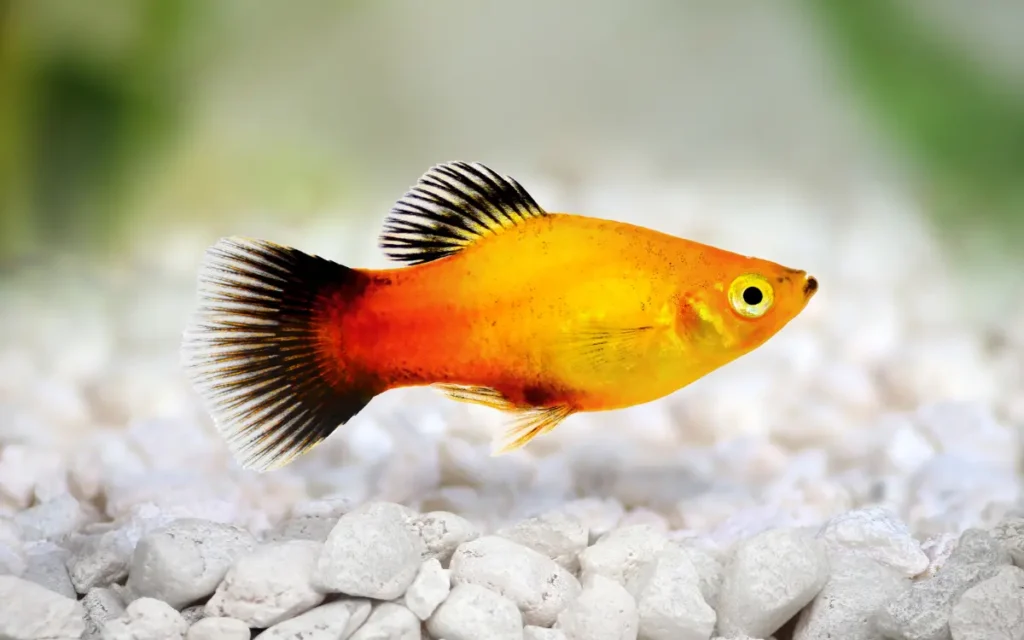
Platies are one of the best tank mates for molly fish. They are peaceful, colorful, active, and enjoy similar water conditions.
Both fish are livebearers, so they behave in a similar way. They like warm water, do well in harder water, and eat a mixed diet. This makes them easier to keep together than fish that need soft acidic water.
Platies are also less aggressive than many male mollies, so they usually fit well in a peaceful community tank.
Best setup: 20 gallons or larger
Compatibility: Excellent
Watch for: Overbreeding
2. Swordtails
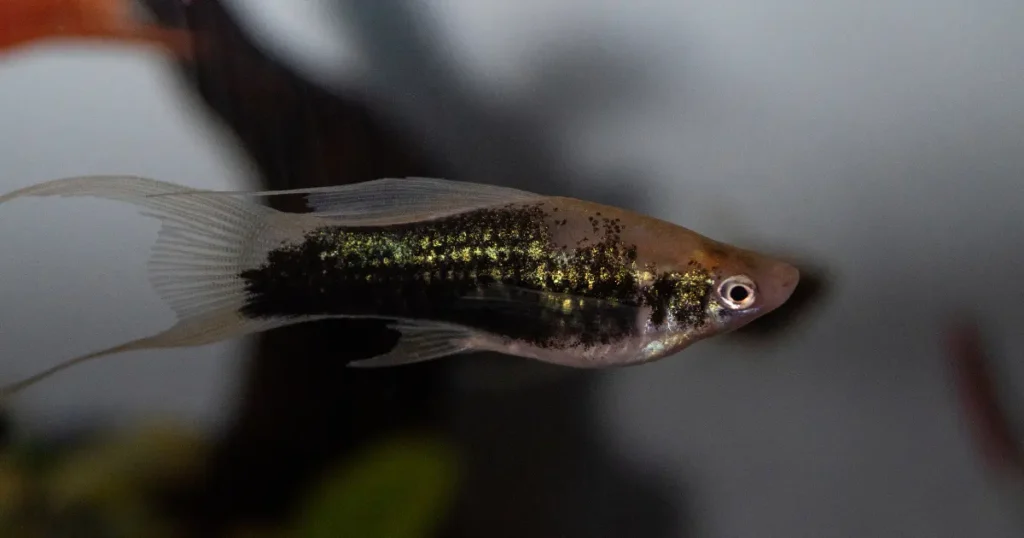
Swordtails are another strong choice for molly tanks. They are active, hardy livebearers that enjoy similar warm, mineral-rich water.
The main thing to remember is space. Swordtails are fast swimmers, and males can be pushy. A 30-gallon tank or larger is better if you want to keep swordtails with mollies.
This pairing works best in a longer tank with open swimming space and plants along the back or sides.
Best setup: 30 gallons or larger
Compatibility: Excellent
Watch for: Male chasing and overstocking
3. Guppies
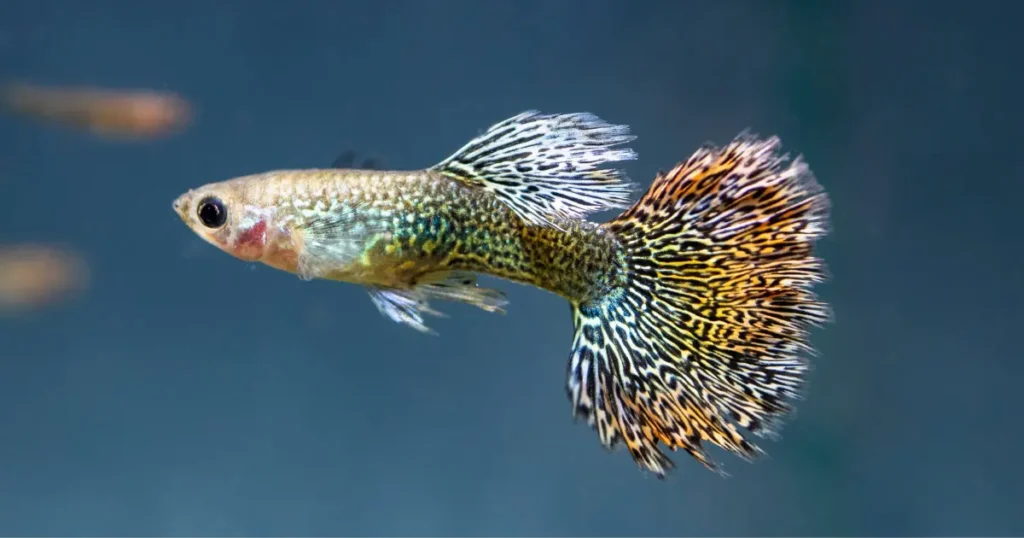
Guppies can live with mollies in the right tank. They like warm water, usually handle harder water well, and are peaceful enough for a livebearer community.
The main issue is breeding. Guppies and mollies both reproduce quickly, so your tank can become crowded if fry survive. Male guppies may also be bothered if mollies are too pushy.
If you keep guppies with mollies, use a 20-gallon tank or larger and avoid overcrowding.
Best setup: 20 gallons or larger
Compatibility: Good
Watch for: Breeding and fin damage
4. Endlers
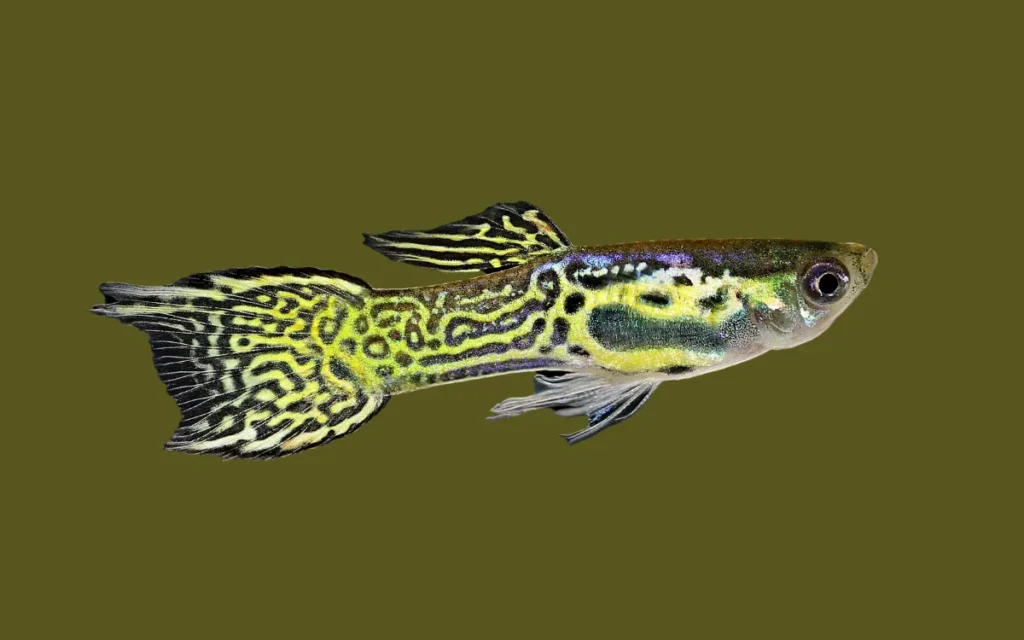
Endlers can work with mollies, especially smaller molly varieties like Common Mollies or Black Mollies. They are active, colorful, and enjoy similar water.
However, Endlers are small, so they are not the best choice with very large Sailfin Mollies or rough community setups. Keep them in a planted tank with hiding spaces.
Best setup: 20 gallons or larger
Compatibility: Good
Watch for: Size difference
5. Bristlenose Pleco
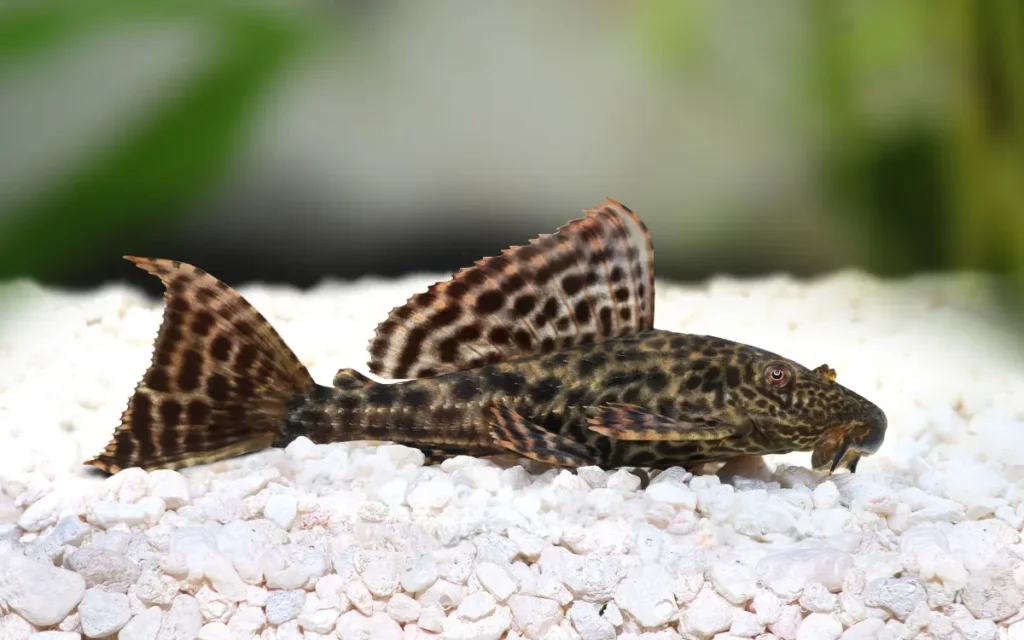
A Bristlenose Pleco can be a good bottom-dwelling tank mate for mollies in a larger aquarium. It stays smaller than common plecos and helps graze on algae.
This fish needs driftwood, hiding spots, and a proper diet. Do not expect it to live only on leftover food. Feed algae wafers, vegetables, and sinking foods.
Best setup: 30 gallons or larger
Compatibility: Good
Watch for: Enough bottom space
6. Nerite Snails
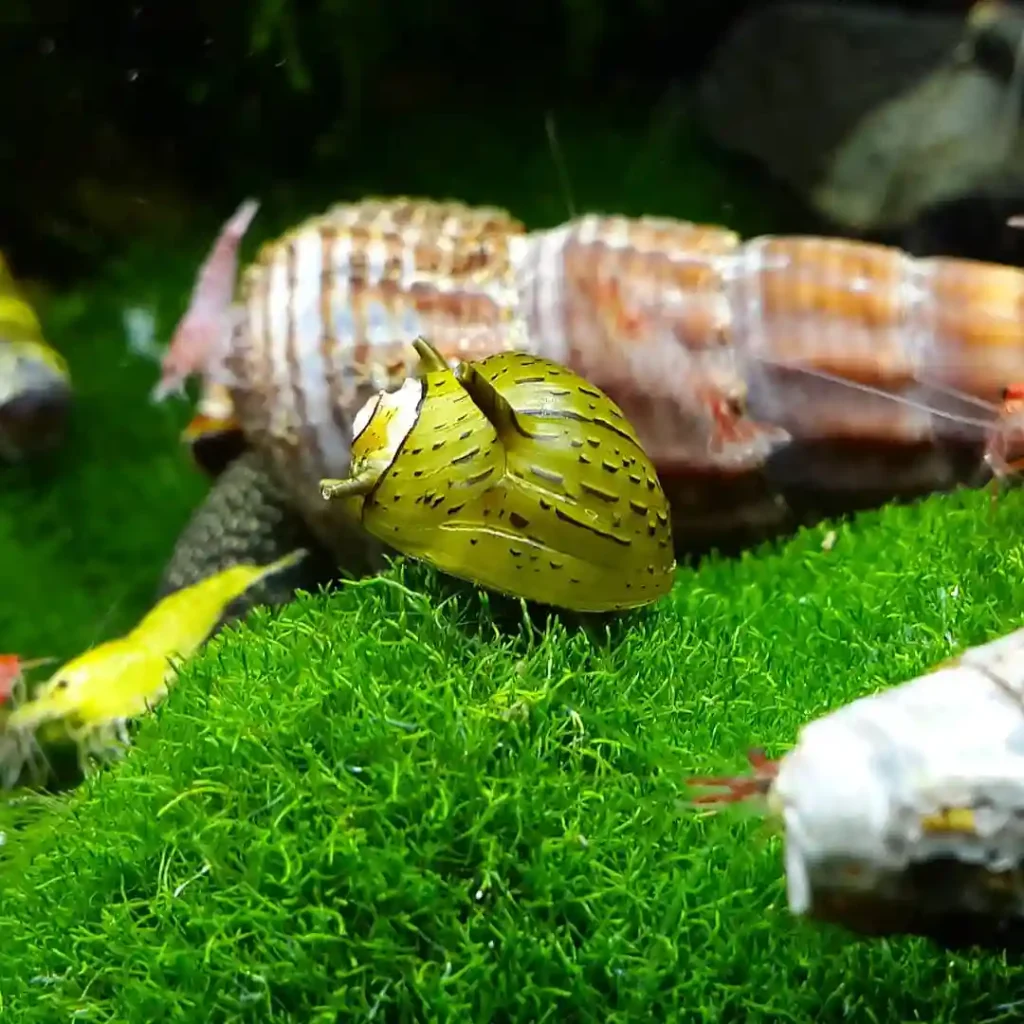
Nerite snails are one of the safest non-fish tank mates for mollies. They help clean algae and do not usually bother fish.
They also do well in harder water because minerals support shell health. That makes them a better match than many soft-water snails.
Best setup: 10 gallons or larger, but 20+ is better with mollies
Compatibility: Excellent
Watch for: Eggs on hard surfaces
7. Mystery Snails
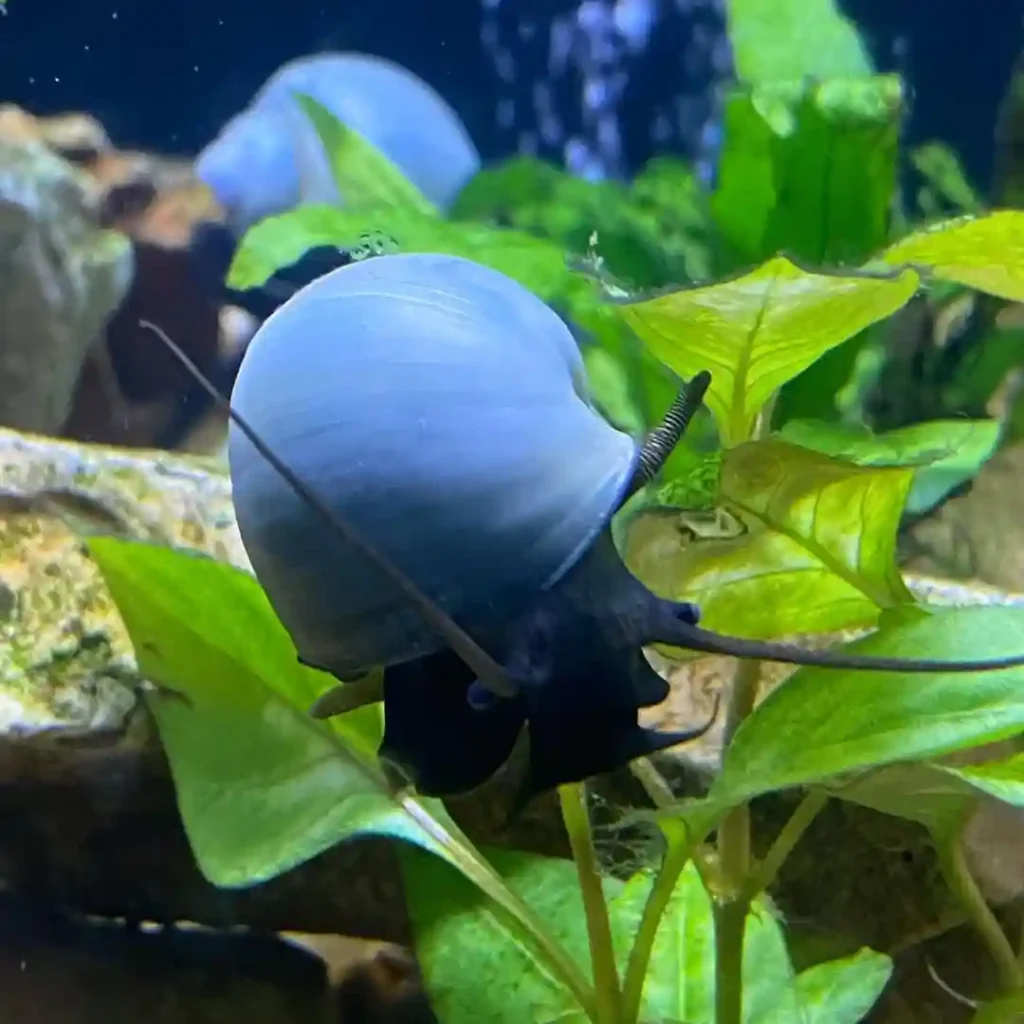
Mystery snails can live with mollies in peaceful tanks. They are larger than nerite snails and interesting to watch.
They need calcium-rich water for healthy shells, which works well with molly water preferences. Just make sure mollies are not picking at their antennae.
Best setup: 20 gallons or larger
Compatibility: Good
Watch for: Nipping and shell health
8. Rainbowfish
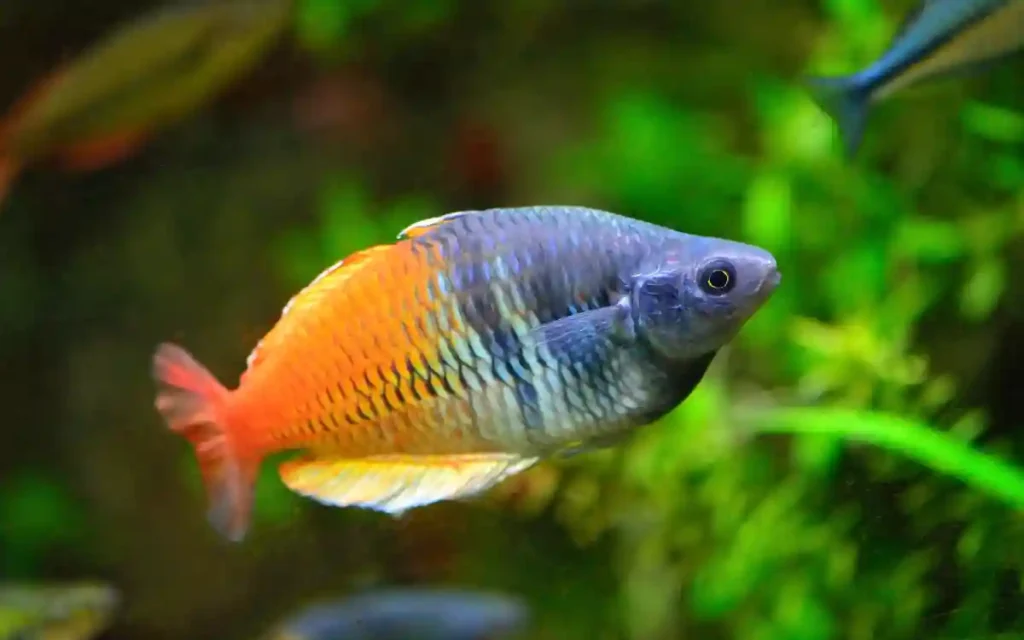
Rainbowfish can work well with mollies in larger aquariums. They are active, colorful, and usually peaceful.
This is not a small-tank pairing. Rainbowfish need swimming room, and mollies are also active. A 40-gallon tank or larger is better.
Best setup: 40 gallons or larger
Compatibility: Good
Watch for: Tank size
9. Zebra Danios
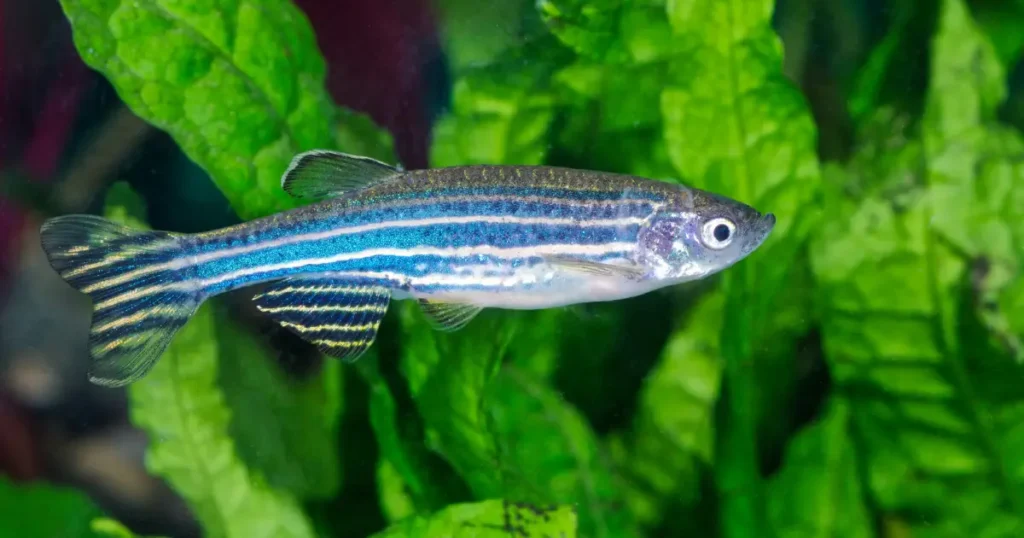
Zebra Danios are active, hardy fish that can work with mollies in many community tanks. They are fast swimmers and usually stay near the upper areas of the tank.
They are not the calmest fish, so avoid them with delicate long-finned mollies if the tank is small. In a roomy tank, they can work well.
Best setup: 20 gallons or larger
Compatibility: Good
Watch for: Too much activity in small tanks
10. Corydoras
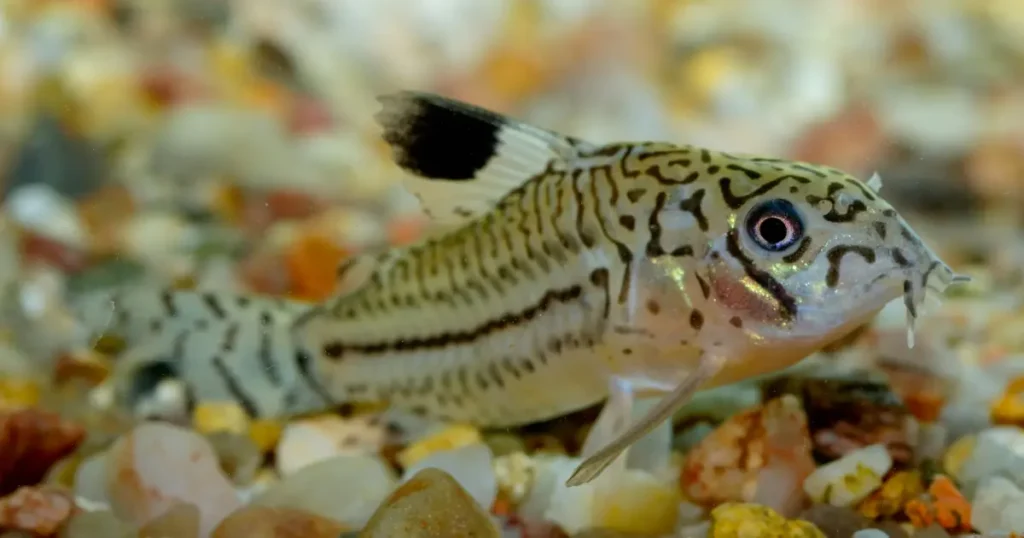
Corydoras can work with mollies, but this is not an automatic match.
The issue is water. Many Corydoras prefer softer water than mollies. Some species can adapt better than others, but you should choose carefully and avoid forcing soft-water Corydoras into hard molly water.
If you want bottom dwellers, research the exact Corydoras species before adding them.
Best setup: 20 gallons or larger
Compatibility: Mixed
Watch for: Water hardness mismatch
Risky Molly Tank Mates
Betta Fish
Can mollies live with bettas? Sometimes, but I do not recommend this as a beginner pairing.
Mollies are active and may bother a slow betta. Some bettas may also attack mollies, especially if the molly is bright, long-finned, or moving too much around the betta’s space.
There is also a water preference issue. Mollies usually like harder, more alkaline water, while bettas are often kept in softer water.
My advice: avoid this mix unless you have a large, planted tank and a calm betta.
Angelfish
Angelfish and mollies can sometimes live together in a large tank, but it is not the easiest match.
Angelfish can become territorial, especially when mature. They also may eat molly fry. The water needs can overlap in some tanks, but mollies prefer harder water than many angelfish setups.
Use caution with this pairing.
Neon Tetras
Neon Tetras are peaceful, but they are not my first choice for molly tanks. The main problem is water preference. Neons usually do better in softer, more acidic water, while mollies prefer harder, alkaline water.
If your tap water is soft and you keep mollies on the lower end of their range, it may work. But for a proper molly-focused tank, choose livebearers or hard-water-friendly fish first.
Dwarf Gourami
Dwarf Gouramis may work in some community tanks, but they can be hit or miss with mollies. Mollies are active, and gouramis often prefer calmer areas.
If the tank is small, the molly activity may stress the gourami. A planted 30-gallon tank or larger gives this pairing a better chance.
Fish to Avoid With Molly Fish
Avoid fish that are aggressive, too large, too nippy, or need very different water.
| Fish to Avoid | Why |
| Tiger Barbs | Fin nipping |
| Oscars | Too large and predatory |
| Jack Dempsey Cichlids | Too aggressive |
| African Cichlids | Aggressive and different setup |
| Goldfish | Prefer cooler water |
| Discus | Need warmer, softer water |
| Cardinal Tetras | Prefer soft acidic water |
| Red Tail Shark | Can become territorial |
| Common Pleco | Gets too large |
| Large Crayfish | May catch fish |
Can Mollies Live With Shrimp?
Adult shrimp may survive with mollies in a planted tank, but baby shrimp are likely to be eaten.
Mollies are curious grazers. They pick at surfaces all day, so tiny shrimplets can become snacks. If you want a shrimp colony, mollies are not the safest choice.
Better shrimp options with mollies:
| Shrimp Type | Compatibility |
| Amano Shrimp | Better chance because they are larger |
| Adult Ghost Shrimp | Possible, but not guaranteed |
| Cherry Shrimp | Risky, especially babies |
For a serious shrimp breeding tank, skip mollies.
Best Tank Setup for a Molly Community Tank
A good molly community tank should be roomy, warm, and stable.
For most beginners, use:
| Setup Need | Recommendation |
| Tank size | 20 gallons minimum |
| Better size | 30 gallons or larger |
| Temperature | 75–80°F |
| pH | 7.5–8.2 |
| Water hardness | Moderate to hard |
| Plants | Java fern, Anubias, hornwort, vallisneria |
| Layout | Open swimming space with hiding spots |
| Group ratio | 1 male to 2–3 females |
Best Molly Tank Mate Combinations
20-Gallon Molly Community Tank
A simple 20-gallon tank could include:
| Fish | Number |
| Mollies | 3 |
| Platies | 4 |
| Nerite Snails | 1–2 |
This is a clean beginner setup. Do not add too many fish because mollies and platies can both breed.
30-Gallon Molly Community Tank
A 30-gallon tank gives you more room:
| Fish | Number |
| Mollies | 4–5 |
| Swordtails or Platies | 4 |
| Bristlenose Pleco | 1 |
| Nerite Snails | 1–2 |
This setup works best with strong filtration and regular water changes.
40-Gallon Active Community Tank
For a larger active tank:
| Fish | Number |
| Mollies | 5–6 |
| Rainbowfish | 6 |
| Bristlenose Pleco | 1 |
| Nerite Snails | 2 |
This is a better setup for Sailfin Mollies or larger molly varieties.
Common Mistakes When Choosing Molly Tank Mates
Choosing Soft-Water Fish
This is the biggest mistake. A fish can be peaceful and still be a poor match if it needs soft acidic water.
Keeping Mollies in Too Small a Tank
Small tanks increase chasing, stress, and water problems. A 20-gallon tank is the better starting point.
Adding Fin Nippers
Long-finned mollies can be targeted by fin nippers. Avoid Tiger Barbs and other nippy fish.
Ignoring Male Molly Behavior
Male mollies can chase females constantly. Keep more females than males and use plants to break up sight lines.
Mixing Too Many Livebearers
Guppies, platies, swordtails, and mollies can work together, but they all breed. Plan for fry or your tank may become crowded.
FAQs
What fish can live with molly fish?
Good tank mates for molly fish include platies, swordtails, guppies, Endlers, Bristlenose Plecos, nerite snails, mystery snails, Zebra Danios, and rainbowfish. Choose fish that enjoy warm, harder water.
Can mollies live with guppies?
Yes, mollies can live with guppies in a 20-gallon or larger tank. Both like warm water and usually do well in harder water. Watch for breeding and overcrowding.
Can mollies live with bettas?
Sometimes, but it is risky. Mollies are active and may bother bettas. Some bettas may attack mollies. This is not the safest beginner pairing.
Can mollies live with platies?
Yes, platies are one of the best molly fish tank mates. They are peaceful livebearers with similar water and temperature needs.
Can mollies live with swordtails?
Yes, swordtails can live with mollies, especially in 30 gallons or larger. Both are active livebearers, so they need swimming room.
Can mollies live with angelfish?
Sometimes, but it is risky. Angelfish can become territorial and may eat molly fry. This pairing needs a larger tank and careful observation.
Can mollies live with neon tetras?
I do not recommend Neon Tetras as a first choice for molly tanks. Neons usually prefer softer water, while mollies prefer harder, alkaline water.
Can mollies live with shrimp?
Adult Amano shrimp or ghost shrimp may survive with mollies, but baby shrimp are likely to be eaten. Cherry shrimp breeding colonies are not safe with mollies.
Can mollies live with goldfish?
No, goldfish are not good tank mates for mollies. Goldfish prefer cooler water and produce a lot of waste, while mollies need warmer tropical conditions.
Do mollies need other mollies?
Yes, mollies do better in groups. A good setup is one male with two or three females. This helps reduce stress and makes their behavior more natural.
