
Barbatus Cory Care Guide (Scleromystax barbatus)

Barbatus cory is not your typical small, peaceful corydoras. It grows larger, looks more striking, and behaves slightly differently especially the males, which develop extended fins and a more aggressive display compared to regular corys.
This species is often overlooked, but it’s actually a great choice if you want something more unique. Just understand this upfront it needs cooler water and more space than most corydoras, so it’s not ideal for every community tank.
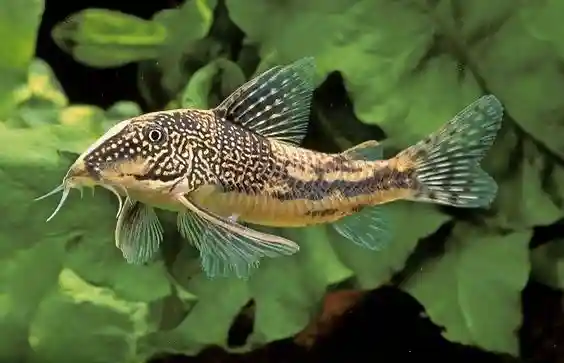
Species Overview
| Attribute | Details |
| Scientific Name | Scleromystax barbatus |
| Common Name | Barbatus Cory, Bearded Cory |
| Size | 3 – 4 inches |
| Lifespan | 5 – 8 years |
| Care Level | Moderate |
| Temperament | Peaceful but slightly territorial |
| Tank Level | Bottom |
| Diet | Omnivore |
| Minimum Tank | 30 gallons |
Tank Size and Setup
Barbatus corys need more space than standard cory species. A 30-gallon tank is the minimum, but larger tanks are better, especially if you keep a group.
Soft sand substrate is important. Like other corys, they use their barbels to search for food, and rough gravel can damage them over time.
They prefer a natural setup with plants, driftwood, and hiding spots. Plants like Java fern, Anubias, and Cryptocoryne work well. Keep open areas along the bottom so they can move freely.
Unlike many tropical corys, they do better in slightly cooler tanks, so avoid setups designed for very warm-water fish.
Water Parameters
Barbatus corys prefer cooler and well-oxygenated water.
Keep temperature between 68 and 75°F. This is lower than many common tropical fish.
pH should stay between 6.0 and 7.5. Clean water is essential. Ammonia and nitrite must be zero, and nitrate should be kept low.
They benefit from good water flow and oxygen levels, so proper filtration helps.
Behavior and Schooling
Barbatus corys are peaceful, but slightly more active and bold than typical corydoras.
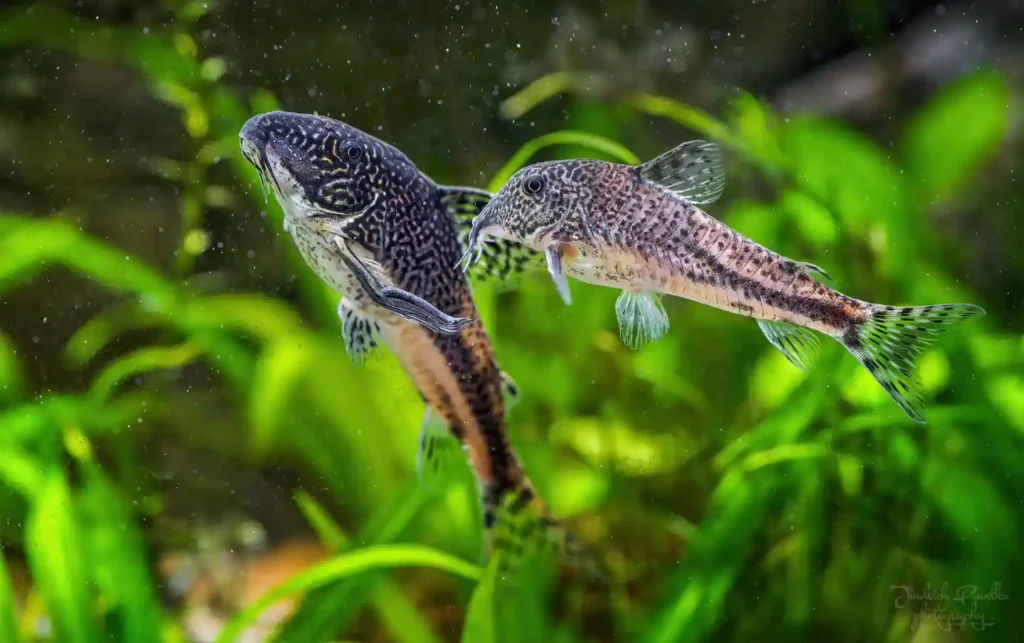
Males, especially, can show mild territorial behavior or display toward each other, but this usually doesn’t lead to serious aggression.
They should be kept in groups of at least 5–6. In groups, they stay more active and show natural behavior.
They spend most of their time at the bottom, searching for food and interacting with each other.
Tank Mates and Compatibility
Barbatus corys need tank mates that can handle cooler water and won’t be aggressive.
They work well with peaceful fish like danios, white cloud mountain minnows, and other cool-water community fish.
They can also live with other corydoras species if tank size allows, but make sure all species are comfortable with similar temperature ranges.
Avoid aggressive fish or very large species that may bully them.
Also avoid very warm-water fish like discus, as their temperature needs do not match.
Diet and Feeding
Barbatus corys are omnivores and easy to feed.
Their main diet should include sinking pellets or wafers. You can also feed frozen or live foods like bloodworms, brine shrimp, and daphnia.
Do not rely on leftover food. They need proper feeding to stay healthy.
Feed once or twice daily, ensuring food reaches the bottom.
Breeding Barbatus Cory
Breeding barbatus corys is possible but less common than with standard corydoras.
Cooler water and seasonal changes can help trigger spawning. Females become rounder when carrying eggs.
They follow similar spawning behavior to other corys, placing eggs on surfaces like glass or plants.
Eggs hatch within a few days, and fry require very fine food and clean water.
Common Mistakes
Keeping them in warm tropical tanks is one of the biggest mistakes. They prefer cooler conditions.
Using rough substrate leads to barbel damage.
Keeping them in small tanks or groups increases stress and reduces activity.
Pairing them with aggressive or incompatible fish causes long-term problems.
Are Barbatus Cory Good for Beginners
Not the best beginner cory.
They are not difficult, but their need for cooler water and slightly different behavior makes them less straightforward than bronze or peppered corys.
If you already have some experience, they are a great upgrade from basic species.
FAQs
Are barbatus cory aggressive?
No, but males can show mild territorial behavior.
Can barbatus cory live with tropical fish?
Only if those fish tolerate cooler water.
How many barbatus cory should be kept together?
At least 5–6, but more is better.
Do barbatus cory need sand?
Yes, sand is strongly recommended.
Final Thoughts
Barbatus cory is a unique and slightly different option compared to standard corydoras. It offers more size, more personality, and a different look.
Just remember that it prefers cooler water and needs more space. If you match those requirements, it becomes a rewarding fish to keep.
