
12 Algae Control Hacks for Aquariums

Algae is something every aquarium owner deals with at some point. It creeps onto glass, plants, rocks, and decorations, often right after you think your tank is finally under control.
The mistake many people make is trying to fight algae directly instead of fixing what’s causing it.
This listicle breaks algae control down into simple, realistic hacks you can actually maintain. No chemicals. No extreme cleaning. Just small changes that work together to keep algae from taking over.
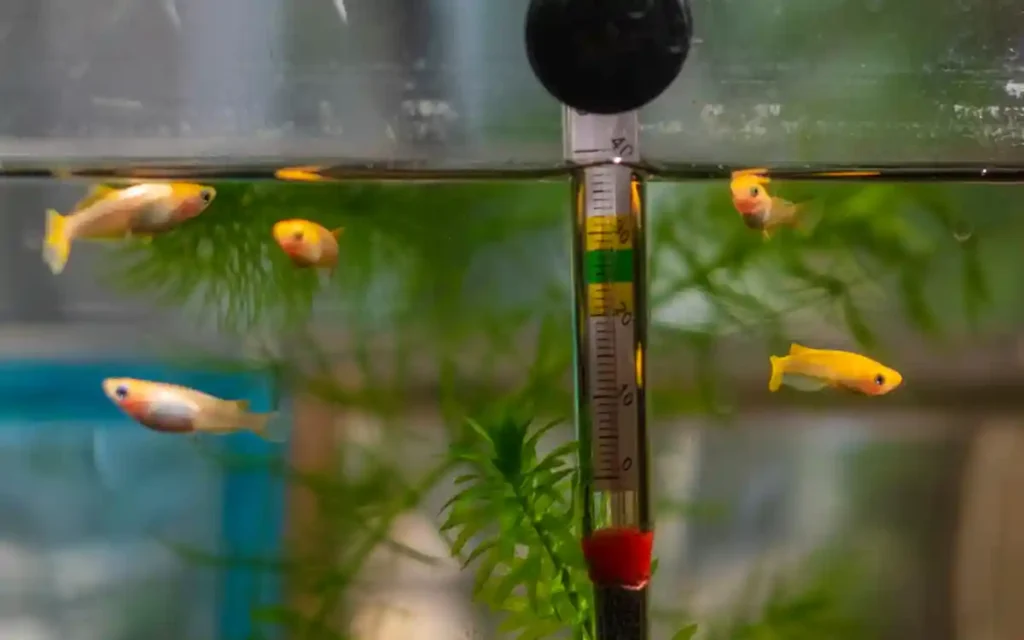
1. Shorten Your Lighting Before Doing Anything Else
If algae keeps coming back, lighting is usually the first problem.
Most aquariums do better with 6–7 hours of light per day, especially newer setups. Longer lighting periods give algae more advantage than plants.
Using a timer instead of switching lights on and off manually keeps things consistent and prevents accidental overexposure.Even a strong light isn’t an issue if the duration is controlled.
2. Feed Less Than You Think Your Fish Need
Overfeeding is one of the fastest ways to fuel algae growth.Excess food breaks down into nutrients algae thrives on, even if the food seems to disappear quickly.
A simple adjustment makes a big difference: feed once per day and only what fish can finish within a minute.
Skipping feeding one day per week also helps reduce waste buildup.Less food means fewer nutrients for algae to use.
3. Treat Water Changes as Prevention, Not Emergency Cleanup
Water changes work best when they’re done consistently, not just when the tank looks dirty.
A weekly 30–40% water change removes excess nutrients before algae can take advantage of them. Light gravel vacuuming during water changes helps remove trapped debris without disturbing the entire tank.
If you want to make this process easier and faster, these fish tank cleaning hacks are worth reading fish tank cleaning hacks
4. Scrape Algae at the Right Moment
Scraping algae is unavoidable, but timing matters.
Scraping glass and hard surfaces right before a water change allows loosened algae to be removed from the tank instead of spreading elsewhere. Scraping right after a water change often causes algae to return faster because spores remain in the water.
Glass can be cleaned weekly if needed. Decorations should only be cleaned when algae becomes thick or distracting.
5. Let Aquarium Plants Compete With Algae
Healthy plants are one of the strongest long-term algae control tools.
Plants consume the same nutrients algae needs. When plants grow well, algae struggles to keep up. Fast-growing plants are especially helpful in new or unstable tanks because they absorb nutrients quickly.
Removing damaged or melting leaves also prevents decaying plant matter from feeding algae.
6. Improve Water Flow to Eliminate Dead Zones
Algae loves still water. Poor circulation creates quiet areas where nutrients settle and algae spreads easily.
Adjusting filter output so water moves gently across the tank helps prevent these dead zones. Cleaning clogged filter media when flow slows down also improves circulation.
Good flow doesn’t mean blasting fish around. Gentle, consistent movement is enough.
7. Stop Overcleaning the Filter
Overcleaning the filter is a common mistake that causes algae to rebound.
Filters house beneficial bacteria that keep waste under control. Cleaning filter media too often or using tap water removes these bacteria and destabilizes the tank. This often leads to algae blooms shortly afterward.
Rinse filter media in old tank water and only clean it when flow is reduced, usually once a month.
8. Use Algae Eaters as Backup, Not the Main Solution
Algae-eating fish and invertebrates can help, but they are not a fix by themselves.
Nerite snails, Amano shrimp, and Otocinclus catfish are commonly used for light algae control. They work best after lighting, feeding, and maintenance habits are corrected.
Adding algae eaters to an unbalanced tank usually leads to disappointment.
9. Expect Algae in New Aquariums
New tanks almost always go through an algae phase during the first few weeks. This is part of the aquarium stabilizing and building beneficial bacteria.
During this period, avoid making drastic changes. Keep lighting short, maintain weekly water changes, and resist using chemicals.
Most new-tank algae fades on its own once the system balances out.
Beginner-friendly shortcuts for handling this phase are covered here: Beginner fish tank hacks
10. Avoid Chemical Algae Killers
Chemical algae treatments may work quickly, but they rarely solve the underlying problem.
When algae dies suddenly, it releases nutrients back into the water, often triggering new blooms. Sensitive fish and plants can also be stressed or harmed. In many cases, chemical treatments make algae problems worse in the long run.
Natural balance is slower, but far more reliable.
11. Clean Decorations Only When Necessary
Scrubbing decorations too often disrupts the tank’s stability.
It’s better to clean decorations only when algae becomes thick or visually distracting. Rinse them in tank water and rotate cleaning instead of cleaning everything at once. This keeps beneficial bacteria intact while still controlling buildup.
12. Stick to Proven Aquarium Shortcuts Only
Not every “hack” you see online is safe or effective.
Avoid viral tricks that promise instant algae removal. Instead, stick to practical, tested shortcuts that improve consistency and reduce effort.
Read also: Aquarium hacks
Final Takeaway
Algae is not the enemy. It’s feedback.
When algae appears, it’s usually telling you that light, nutrients, or maintenance habits need adjustment. Fix those, and algae becomes manageable instead of frustrating.
No aquarium is completely algae-free, and that’s normal. The goal is balance, consistency, and control not perfection.
